
How to Build DIY Pantry Shelves for Better Storage: Simple, Sturdy, and Space-Saving Ideas
Table of Contents
Introduction
A well-organized pantry can completely transform the way your kitchen functions, yet many homeowners struggle with cramped shelves, wasted vertical space, and clutter that makes it hard to find everyday items. According to recent home improvement studies, almost 70% of households say their pantry is one of the most disorganized areas in their home. This makes storage efficiency a top priority—and one of the best solutions is learning how to build DIY pantry shelves for better storage.
DIY pantry shelves allow you to customize your space based on your exact needs, whether you’re stocking bulk goods, storing small jars, or organizing appliances that don’t fit on standard shelves. Unlike store-bought shelving, custom-built shelves let you decide the spacing, depth, materials, and layout, ensuring every inch of your pantry serves a purpose. They also offer the satisfaction of building something both functional and beautiful, tailored to your home.
In this guide, you’ll discover everything you need to know about building DIY pantry shelves for better storage—from measuring and planning to selecting materials, installing supports, and finishing your shelves. Along the way, you’ll find detailed breakdowns, practical examples. By the end, you’ll feel confident creating shelves that maximize space, support long-term organization, and elevate your kitchen’s overall efficiency.
Planning Your DIY Pantry Shelving Layout
Before you pick up any tools, planning your pantry layout is essential. This stage determines how functional your shelves will be once installed. Start by evaluating what you store most frequently: canned goods, appliances, baskets, bulk food containers, or spices. Each category has different spacing requirements, so understanding your pantry habits helps shape the design.
Measure the dimensions of your pantry—height, width, depth, and any obstacles such as outlets or corners. Consider whether you prefer wall-to-wall shelves, L-shaped shelving, or floating shelves with gaps for tall items like brooms or storage bins. Think ahead about accessibility: everyday items should sit between shoulder and hip height, while heavier items should rest lower for safety.
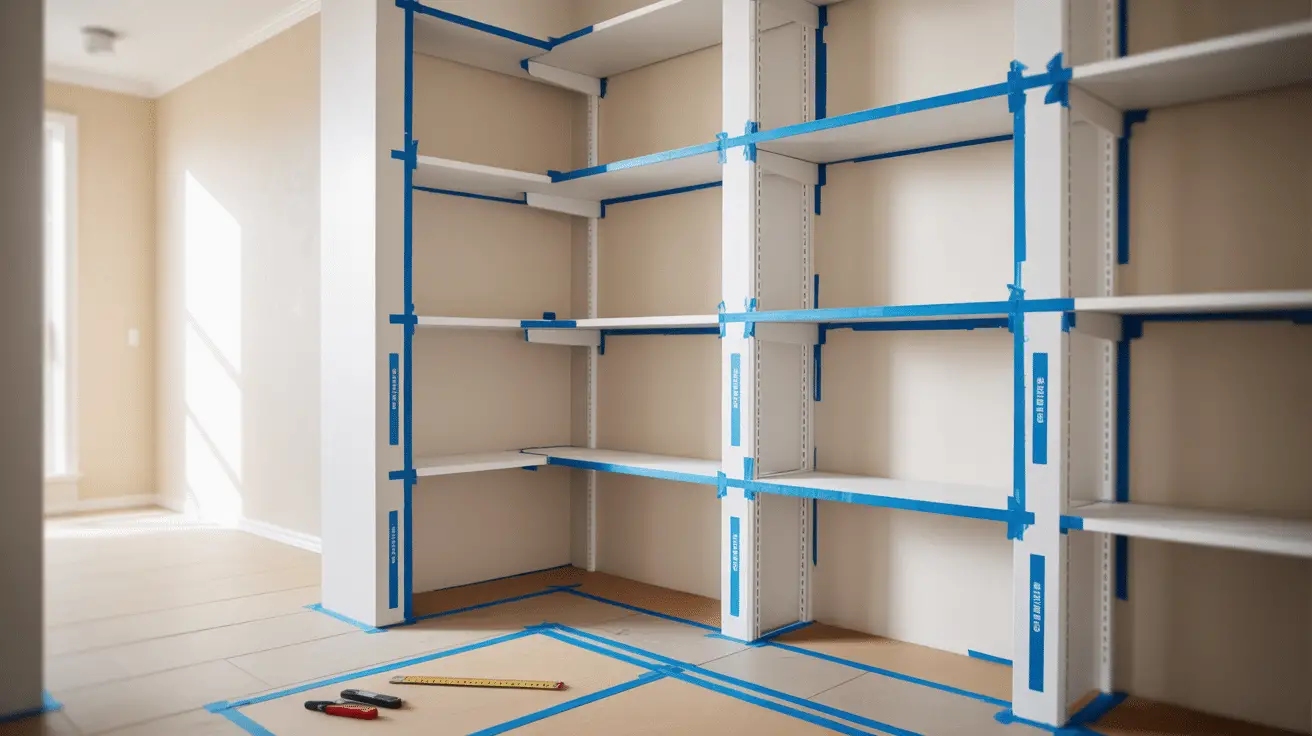
Sketching a simple blueprint helps you visualize the final result. You can also create digital mockups or use painter’s tape on your pantry walls to outline shelf placement. This preview prevents mistakes and ensures your shelf spacing aligns with your needs.
Use this planning overview as a guide:
Pantry Planning Breakdown
| Storage Type | Recommended Shelf Depth | Ideal Height Spacing | Notes |
| Canned Goods | 6–10 inches | 8–10 inches | Prevents items from getting lost |
| Dry Goods Containers | 10–14 inches | 12–15 inches | Great for bulk containers |
| Small Appliances | 14–20 inches | 14–18 inches | Ensure proper weight support |
| Baskets & Bins | 12–16 inches | 12–18 inches | Helps maximize vertical space |
Choosing the Right Materials for Strong, Long-Lasting Shelves
Material selection plays a major role in how durable and attractive your DIY pantry shelves will be. While budget-friendly shelving often uses particleboard, most homeowners prefer solid wood or high-quality plywood for strength, longevity, and aesthetic appeal.
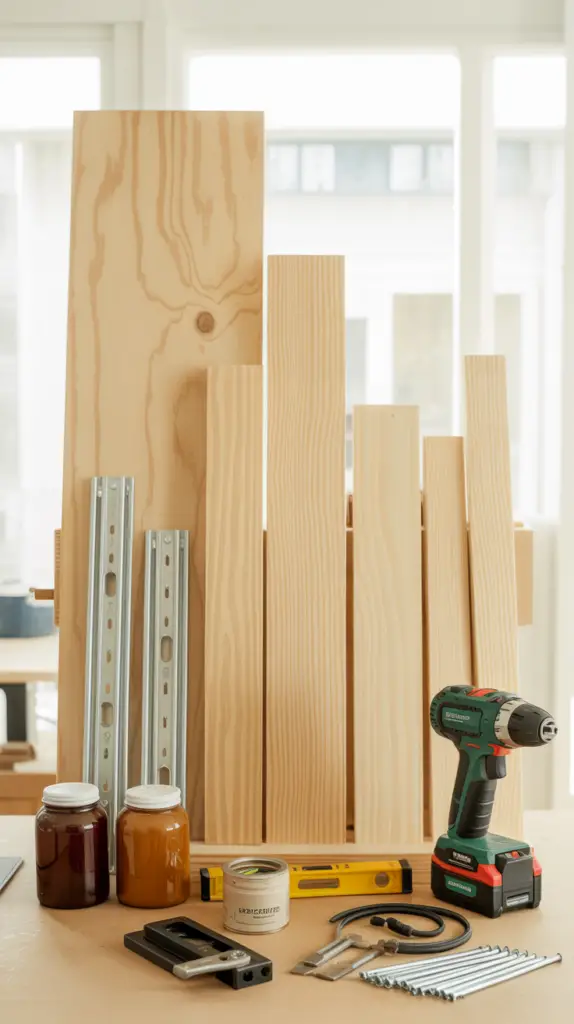
Plywood is one of the best materials for pantry shelves. A 3/4-inch thickness ensures sturdy support for heavy items, while still being easy to cut. Birch or oak plywood offers a high-end look with smooth grain patterns that take stain or paint beautifully. For a more rustic approach, pine boards work well and are budget-friendly, though they may require reinforcement for heavier loads.
The supports you choose matter just as much. Cleat supports (where wood strips run along the wall under the shelf) create strong weight distribution, especially for wall-to-wall shelves. Metal brackets offer a modern look and allow for floating-style shelving.
Finishes help protect shelves from wear. Polyurethane or a durable paint finish prevents staining, warping, and moisture damage.
Here’s a material comparison to help you decide:
Shelf Material Comparison
| Material | Strength Level | Cost | Best Use |
| 3/4″ Plywood | High | Moderate | Heavy pantry items |
| Pine Boards | Medium | Low | Light–moderate loads |
| MDF | Low–Medium | Low | Painted shelves only |
| Hardwood | Very High | High | Premium, long-lasting shelves |
Cutting and Preparing Your DIY Pantry Shelves
Proper cutting and preparation ensure your pantry shelves fit correctly and maintain structural integrity. Begin by marking precise measurements on your chosen wood. Use a straight edge or square tool to keep your lines accurate. A circular saw or table saw provides clean cuts, though a handsaw works for smaller projects.
After cutting the boards, sand all edges and surfaces to remove splinters and create a smooth finish. Start with medium-grit sandpaper, then move to a finer grit for polishing. If you want a rounded edge, use a router or sanding block to soften the corners—this prevents snagging and gives the shelves a more finished look.
Next, dry-fit the shelves in your pantry to ensure they align with the supports and sit flush against the walls. This step helps catch small measurement inconsistencies before installation.
Below is a step-by-step overview:
Shelf Cutting & Preparation Steps
| Step | Action | Purpose |
| 1 | Measure wood | Ensures correct dimensions |
| 2 | Mark cut lines | Guides clean, accurate cuts |
| 3 | Cut boards | Creates shelf pieces |
| 4 | Sand surfaces | Prevents splinters, smooth finish |
| 5 | Dry fit | Confirms proper alignment |
Installing Support Brackets or Cleats for Your Shelves
Installing strong supports is one of the most important steps in building DIY pantry shelves for better storage. Cleats and brackets offer different aesthetic and functional benefits, so choosing the right system depends on your pantry design.
Cleat systems involve attaching wooden strips along the wall where the shelves will rest. This creates a sturdy, evenly supported base ideal for wall-to-wall shelves or spaces that will hold heavy items. Cleats should be secured into wall studs to prevent sagging. Once installed, shelves sit directly on top of the cleats and can be nailed or screwed into place.
Brackets offer more flexibility and visual appeal, especially if you prefer floating shelves. Metal brackets should be rated for your shelf’s expected weight. Installing them evenly with a level ensures your shelves remain straight and balanced.
Regardless of the support style, always use a stud finder for maximum strength and stability. Double-check alignment before final tightening.
Support choosing guide:
Shelf Support Comparison
| Support Type | Strength | Best For | Appearance |
| Cleats | Very High | Wall-to-wall, heavy loads | Hidden, seamless |
| Metal Brackets | High | Floating shelves | Visible, decorative |
| L-Brackets | Medium | Light storage | Budget-friendly |
Installing the Shelves and Securing Them in Place
With supports in place, it’s time to install your shelves. This stage brings your entire design together and forms the foundation for better pantry storage. Carefully position each shelf on top of the cleats or brackets. Use a level to confirm that every shelf sits evenly; small shifts can create long-term problems, especially when storing heavy items.
Once positioned, secure the shelves with screws or finishing nails. If using brackets, attach screws through pre-drilled holes beneath the shelf for stability. For cleat systems, you can add nails or screws from the top into the cleats for extra strength.
This is also the time to add trim pieces if desired. Trim provides a polished look by covering raw plywood edges. You can use wood glue or finish nails to attach thin trim along the front.
Here’s a visual installation guide:
Shelf Installation Reference
| Task | Tool Needed | Why It Matters |
| Position shelf | Level | Prevents slanting |
| Secure shelf | Drill/nails | Ensures durability |
| Add trim | Finish nails | Enhances appearance |
| Inspect stability | Hands-on test | Confirms safety |
Finishing and Sealing Your DIY Pantry Shelves
A strong finish not only makes your shelves more attractive but also protects them from moisture, spills, and everyday wear. Choose a finish that suits your pantry’s style and your functional needs.
Painted shelves create a streamlined and bright look. Use a high-quality primer and at least two coats of durable paint—satin or semi-gloss finishes are ideal for wipeability. If you prefer natural wood, stain offers warmth and enhances grain patterns. Always finish stained wood with a polyurethane seal to prevent damage.
Between each coat of finish, lightly sand for a smooth, professional finish. Allow ample drying time to prevent smudging or tackiness.
Finish options at a glance:
Shelf Finish Comparison
| Finish Type | Durability | Aesthetic Benefit | Best For |
| Paint | High | Clean, uniform look | Modern or bright pantries |
| Stain | Medium–High | Highlights wood grain | Rustic or warm designs |
| Polyurethane | Very High | Protective coating | All shelf types |
Organizing Your New Pantry Shelves for Maximum Storage
After installing your shelves, the final step is organizing them strategically to maximize storage and maintain long-term order. Start by categorizing your pantry items into groups—canned goods, snacks, baking supplies, spices, and appliances. Assign each group to a specific shelf or zone.
Use clear containers for dry goods to maintain visibility and reduce packaging clutter. Lazy Susans work well for oils or condiments, while baskets can hold snacks or loose items. Labeling further enhances accessibility and consistency.
Place frequently used items on easily reachable shelves. Reserve higher shelves for lightweight or occasional-use items, and place heavy appliances at the bottom for safety and ease.
Here is an organizing framework:
Pantry Organization Guide
| Category | Best Shelf Level | Recommended Storage |
| Daily Items | Eye-level | Clear bins, jars |
| Snacks | Middle | Baskets |
| Baking Supplies | Mid–Low | Airtight containers |
| Appliances | Bottom | Open shelves |
Conclusion
Learning how to build DIY pantry shelves for better storage transforms your kitchen into a more functional, beautiful, and efficient space. By planning your layout carefully, selecting quality materials, and installing shelves with sturdy supports, you create a customized storage solution that fits your household’s needs. Finishing and organizing your shelves completes the transformation, giving you a pantry that is not only easier to navigate but also more enjoyable to use. With thoughtful design and practical structure, DIY pantry shelves bring long-term order and satisfaction to one of the most essential areas of your home.