
Kids and Teen Canopy Bedroom Ideas for Playful Spaces: Creative Styling for Whimsical, Cozy, and Stylish Retreats
Table of Contents
Introduction
A child’s bedroom is more than just a place to sleep—it’s a world of imagination, comfort, and personal expression. Recent design surveys show that over 70% of parents and teens believe bedroom atmosphere directly impacts creativity and emotional well-being. This is especially true when bedrooms serve dual roles as play zones, study areas, and safe spaces for rest. Canopy designs have grown increasingly popular in both kids’ and teens’ rooms, offering a playful yet sophisticated feature that instantly transforms a simple room into an enchanting retreat.
Canopy setups appeal across ages because they blend whimsy with structure. From soft draped fabrics to minimalist frames and themed installations, canopies help define personal space, support cozy routines, and add stylistic charm. For kids, they enhance imaginative play—turning beds into castles, forts, or dreamy hideaways. For teens, canopies introduce a sense of independence and style, whether boho-inspired, modern, romantic, or minimal.
This guide explores a range of kids and teen canopy bedroom ideas for playful spaces, offering detailed insights into canopy styles, installation approaches, décor pairings, color selections, and creative enhancements that elevate both aesthetics and function. Whether you’re designing a room that sparks wonder for a young child or crafting a sanctuary for a teenager, these ideas will help you bring comfort, creativity, and personality into every corner.
Choosing the Right Canopy Style for Kids and Teens
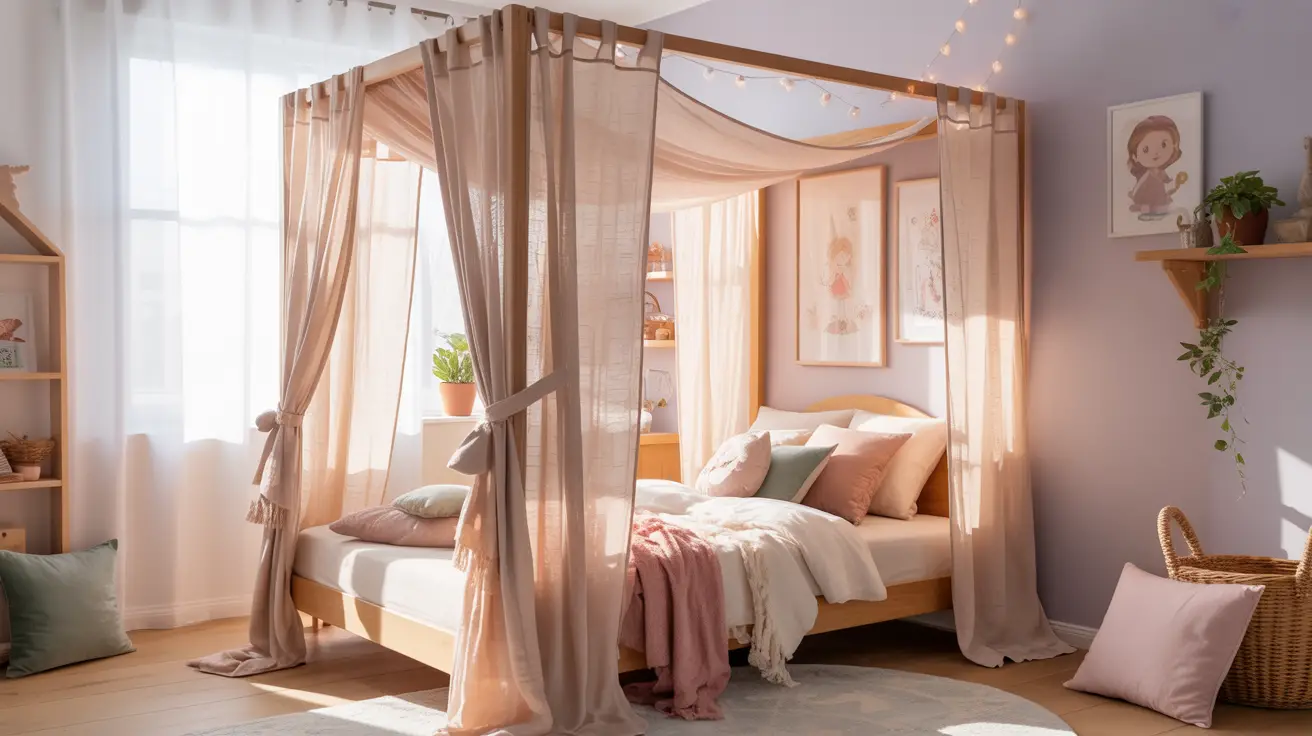
The right canopy style sets the tone for the entire bedroom. Canopies come in various forms—four-poster frames, ceiling-mounted drapes, hoop canopies, and imaginative themed structures—and each offers different benefits depending on age, personality, and room layout. For younger kids, whimsical and loose-flowing canopies can encourage imaginative play and provide a cozy nook. Teens often prefer more refined or minimalist canopy styles that reflect their personal taste.
Fabric choice plays a key role. Lightweight, airy fabrics like cotton voile, linen, and tulle create a soft, dreamy effect ideal for children’s rooms. For teens, textured materials like chiffon, muslin, or even structured cotton can provide a more polished aesthetic. Frame designs also vary—wooden frames add earthy warmth, optional for boho or Scandinavian styles, while metal frames offer sleek lines that suit modern or industrial themes.
Canopies can also serve functional purposes. Denser fabrics help create privacy, especially in shared rooms, while open-frame styles add height and visual interest without blocking light. Choosing a canopy that aligns with your child’s or teen’s personal interests creates a bedroom that feels truly theirs.
Canopy Style Overview
| Canopy Type | Best For | Visual Impact |
| Four-Poster Frame | Teens and older kids | Structured and stylish |
| Ceiling-Mounted Drapes | Small rooms | Soft, floating effect |
| Hoop Canopy | Young kids | Whimsical and compact |
| Themed Canopies | Creative personalities | Playful immersion |
Creating a Cozy Reading or Play Nook Under the Canopy
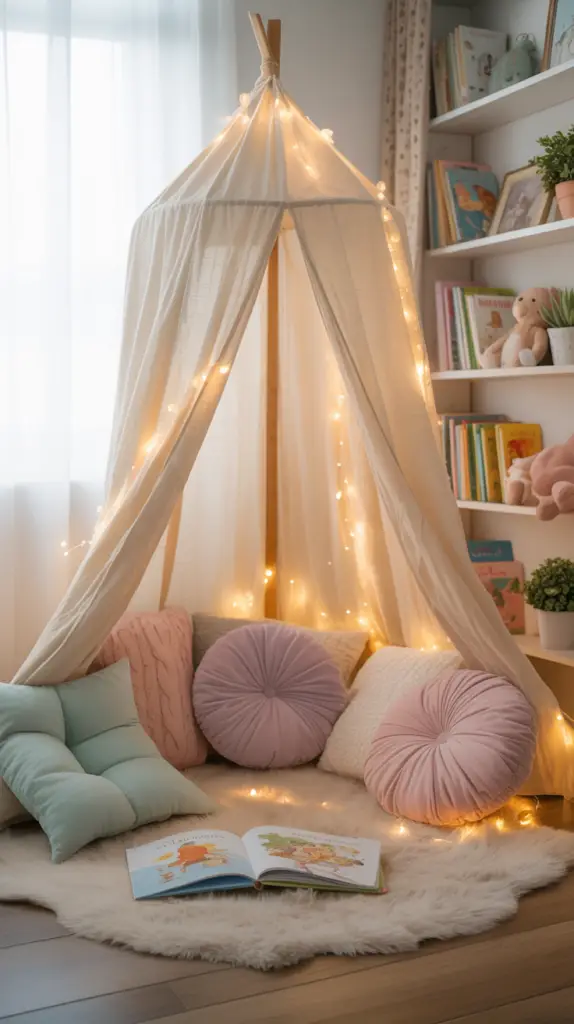
One of the most beloved uses for a canopy is creating a cozy nook—an intimate little world within the bedroom. Whether framed around the bed or set up in a corner, a canopy nook becomes a versatile space for reading, lounging, imaginative play, or quiet retreat.
Start with fabric selection. Soft materials like cotton voile, layered chiffon, or gauzy linen filter light gently, creating a warm and calming glow. Choose colors that complement the room—soft pastels for young children or muted neutrals and earthy tones for teens. A thick canopy ring or sturdy frame helps shape the drape while maintaining safety and durability.
Add comfort through textiles. Pile floor cushions, a memory foam pad, or plush beanbags under the canopy to encourage relaxation. Layer blankets with varied textures—knits, fleece, cotton quilts—to create sensory richness that invites kids to curl up with a book or unwind after school. Adding fairy lights or soft LED lanterns enhances ambiance and transforms the nook into a magical hideaway.
Storage also plays a role in keeping the nook functional. A small basket beside the canopy can store books, stuffed animals, or journals. A narrow shelf or wall pocket nearby provides easy access to essentials without cluttering the space. Encourage independence by keeping items low enough for kids or teens to reach easily.
A canopy nook can evolve over time. Young children may use it as a pretend-play fort, teens as a personal retreat or study corner. Switching out fabrics, cushions, or lighting allows the space to grow with them, keeping the nook relevant and inspiring throughout the years.
Nook Design Breakdown
| Element | Purpose | Contribution |
| Light Fabric Canopy | Soft enclosure | Creates cozy atmosphere |
| Floor Cushions | Comfort seating | Encourages reading/play |
| Soft Lighting | Warm ambiance | Enhances mood |
| Storage Basket | Easy organization | Keeps nook tidy |
Blending Canopy Designs with Bedroom Themes and Styles
Canopy beds seamlessly integrate with dozens of bedroom styles, making them a versatile choice for both kids and teens. Whether the room is themed around nature, adventure, modern minimalism, or artistic expression, canopies help reinforce the aesthetic while adding depth and texture to the space.
For a nature-inspired room, earthy tones and natural materials work beautifully. Linen drapes, wooden frames, and leaf-shaped accents encourage a calming organic feel. A canopy designed with soft greens, browns, or botanical prints makes the room feel grounded and serene.
Fairytale or fantasy-themed rooms often lean into softer, whimsical design elements. Tulle or gauzy drapes, twinkling lights, and pastel tones evoke dreamy charm. To avoid overwhelm, balance whimsical pieces with neutral bedding or simple wall décor for a cohesive look.
Modern teen rooms often benefit from sleek canopy structures—think matte black frames, structured cotton panels, or geometric drape arrangements. These subtle details maintain sophistication while still providing a cozy enclosure.
Boho-inspired designs thrive on texture layering. Macramé hangings, fringe details, earthy palettes, and mixed materials create a relaxed, artistic environment. A canopy can complement this aesthetic through woven or natural fabrics paired with warm accent lighting.
Theme Integration Chart
| Style Theme | Ideal Canopy Materials | Overall Effect |
| Nature-Inspired | Linen, wood, botanical prints | Calming and grounded |
| Fantasy/Fairytale | Tulle, lights, pastels | Soft and dreamy |
| Modern Minimalist | Structured cotton, metal frame | Clean and sophisticated |
| Boho | Macramé, fringe, neutrals | Relaxed and artistic |
Selecting Colors and Fabrics for a Playful Yet Stylish Canopy Bedroom
Color and fabric selection shape the personality and mood of a canopy bedroom. For kids, vibrant hues or soft pastels can stimulate imagination while maintaining comfort. For teens, more refined palettes create a sense of maturity without losing playful charm.
Soft, breathable fabrics—linen, cotton voile, muslin—create a light and airy feel that works across ages. These materials also diffuse light beautifully, enhancing the dreamy canopy effect. For a more structured look, canvas or medium-weight cotton helps create clean, defined lines ideal for modern or minimalist canopy designs.
Brighter palettes—like aqua, warm coral, or sunshine yellow—work well in children’s rooms where cheerful touches enhance creativity. Teens may favor neutral palettes such as terracotta, sage, charcoal, or dusty rose for a more elevated look. A monochrome canopy paired with textured bedding adds depth without complication.
Patterns can also enrich the design: soft florals for whimsical rooms, geometric patterns for contemporary teen spaces, or subtly themed prints for younger kids. These choices should support—not overwhelm—the canopy’s aesthetic.
Color & Fabric Guide
| Category | Recommended Options | Best Effect |
| Kids’ Colors | Pastels, brights | Fun and cheerful |
| Teens’ Colors | Muted earth tones, monochromes | Stylish and calm |
| Fabric Choices | Linen, voile, cotton, muslin | Soft and elegant |
| Pattern Options | Florals, geometric, subtle prints | Adds character |
Adding Lighting, Wall Décor, and Accessories for a Finished Look
Once the canopy is in place, accessories and lighting bring the entire space to life. These elements introduce depth, warmth, and personality, ensuring the canopy area feels complete and cohesive.
Lighting is one of the most powerful elements. Soft string lights wound around the canopy frame, curtain rods, or drapery edges create a magical glow perfect for nighttime routines. Teens may prefer more modern fixtures—LED strip lights along the canopy top, pendant lights hanging beside the bed, or sculptural table lamps that add sophistication without compromising functionality.
Wall décor brings structure and style to the canopy area. For kids, whimsical prints, removable decals, or colorful wall tapestries enhance the playful theme. Teens may lean toward framed artwork, abstract prints, or collage walls reflecting their interests. Wall-mounted shelves offer a perfect hybrid of décor and function, especially when used to display books, memory boxes, or small plants.
Accessories complete the look. Throw pillows in various textures—velvet, cotton, faux fur—create layered comfort. A statement rug beneath the canopy anchors the area, adding warmth and visual balance. Even small decorative items like dreamcatchers, hanging garlands, or sculptural pieces can enhance personality.
Ensure accessories coordinate with the canopy’s color palette. Repeating tones and textures creates cohesion while avoiding visual clutter. For example, a linen canopy pairs beautifully with woven baskets, soft wool throws, and natural wood accents.
Finishing Touch Breakdown
| Element | Purpose | Result |
| Soft Lighting | Warm glow | Cozy ambiance |
| Wall Décor | Aesthetic structure | Personalized expression |
| Layers & Accessories | Comfort and style | Polished final look |
| Rugs/Textiles | Ground the space | Enhances warmth |
Creating Shared or Sibling Canopy Spaces
For families with shared rooms, canopy designs can help define personal space while maintaining harmony. Two small canopies side-by-side can create symmetry and personal zones. Matching canopies create visual unity, while individualized colors or fabrics let each child express their personality.
Hang canopies from ceiling hooks to keep floors open and avoid overcrowding. Lightweight drapery ensures the space feels calm rather than divided. Assign each canopy area a small shelf or basket for personal essentials to encourage independence.
Shared Space Planning Guide
| Feature | Use | Benefit |
| Matching Canopies | Shared rooms | Creates symmetry |
| Individual Accessories | Personal identity | Supports self-expression |
| Ceiling-Mounted Drapes | Space saving | Keeps room feeling open |
Conclusion
Canopy bedrooms offer a dynamic blend of playfulness, comfort, and style that appeals to both kids and teens. With thoughtful choices in canopy type, fabrics, lighting, wall décor, and accessories, the bedroom becomes a personalized retreat that nurtures creativity and rest. Whether whimsical or modern, softly layered or boldly themed, the right canopy arrangement creates a magical focal point that evolves with your child’s imagination and growing sense of style.