
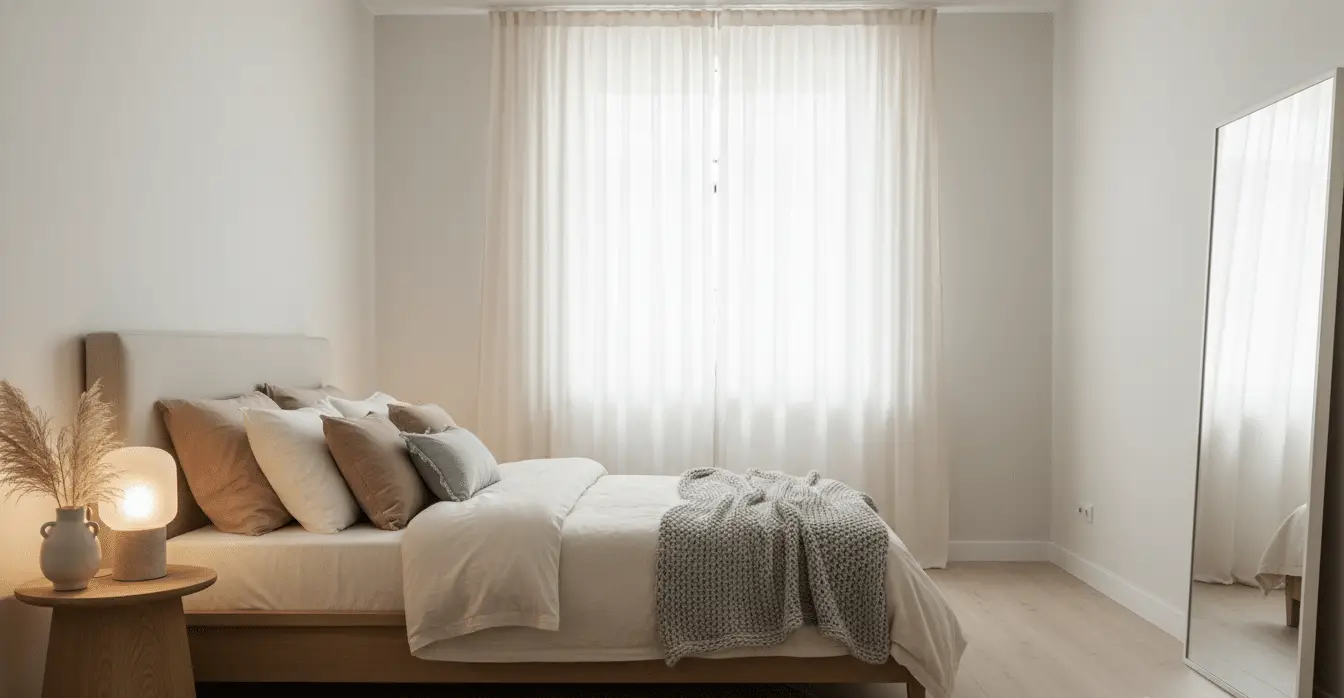
Dreamy Bedroom Decor Ideas for a Peaceful Vibe: Transform Your Space into a Serene Sanctuary
Table of Contents
Introduction
It’s astonishing how much of our well-being is connected to the spaces we live in. Studies show that a thoughtfully designed bedroom can significantly improve sleep quality, reduce stress levels, and even elevate mood throughout the day. Yet many people overlook this room, treating it as a functional space rather than a restorative retreat. If you’ve ever felt restless at night, overwhelmed by clutter, or uninspired by your surroundings, it may be time to rethink your bedroom design.
A dreamy bedroom isn’t merely about aesthetics—it’s about crafting an environment that supports calmness, balance, and emotional comfort. From soothing color palettes and layered lighting to tactile materials and intentional décor, small design choices can result in a space that feels peaceful and deeply grounding.
This article explores practical, beautiful, and achievable bedroom décor ideas that help cultivate a peaceful vibe. You’ll discover guidance on color, texture, layout, lighting, scents, and decorative touches—all designed to help you create a space that feels deeply personal and restorative. Whether you’re starting from scratch or making simple upgrades, these ideas will help you craft a bedroom where you can truly unwind.
Soft and Soothing Color Palettes for a Calm Atmosphere
Color sets the emotional tone of a room, and in bedrooms, it determines whether the atmosphere feels restful or stimulating. Soft neutrals, muted pastels, gentle blues, earthy greens, and warm creams are ideal for cultivating tranquility. These shades naturally evoke feelings of comfort and clarity, reducing visual noise and creating a space that allows the mind to rest. When choosing a color palette, consider how natural light interacts with the hues. Cool tones often feel crisp and refreshing in bright settings, while warm undertones provide comfort during evenings or low-light hours.
A cohesive palette doesn’t mean everything must match; instead, aim for harmony. Pairing slightly varied tones within the same family—like dove gray, fog blue, or clay beige—adds depth without compromising serenity. Accent colors can be introduced sparingly through décor pieces like cushions, artwork, or throws, providing subtle visual interest. The key is intentionality: every shade should support the mood you want to create.
Color Mood Table
| Color Family | Emotional Impact | Best Uses |
| Soft Blues | Serenity, clarity | Walls, bedding, accent décor |
| Warm Neutrals | Comfort, coziness | Furniture, rugs, textiles |
| Earthy Greens | Balance, grounding | Plants, wall accents, textiles |
| Muted Pinks | Warmth, softness | Bedding accessories, art |
| Light Grays | Calm, simplicity | Walls, minimalist furniture |
Layered Lighting That Creates a Dreamy Glow
Lighting is one of the most transformative elements in bedroom décor. Harsh overhead lights can make even the most beautiful room feel sterile, while layered lighting introduces warmth, depth, and mood control. The goal is to illuminate the space without overwhelming it, using multiple light sources that work in harmony. Start with a soft ambient foundation, such as a dimmable ceiling fixture or warm LED recessed lighting. This creates general illumination without glare.
Next, incorporate task lighting—bedside lamps, reading sconces, or small desk lights—designed for specific functions. These lights guide your nighttime routines and reduce the need for bright overhead fixtures. Finally, add accent or decorative lighting for atmosphere. String lights, glowing lanterns, LED candles, or hidden cove lighting infuse the room with a dreamy softness. Layering these three lighting types allows you to adjust the mood at any time of day.
Lighting Breakdown Table
| Lighting Type | Purpose | Examples |
| Ambient | General illumination | Overhead lights, flush mounts |
| Task | Focused functionality | Bedside lamps, sconces |
| Accent | Mood enhancement | String lights, LED candles |
Textures and Fabrics That Add Warmth and Comfort
Texture is the emotional language of décor. It influences how a room feels the moment you step inside—inviting, cozy, luxurious, or serene. Bedrooms benefit immensely from layered textures, which soften the environment and enhance comfort. The key is combining various tactile materials that complement each other while enriching the sensory experience of the space.
Start with foundational fabrics such as cotton or linen bedding, which offer breathability and softness. Layer this with quilted blankets or knitted throws to introduce dimension. Plush area rugs anchor the room and provide warmth underfoot, helping the space feel grounded. Upholstered furniture adds additional softness, while textured cushions complete the composition.
Beyond comfort, textures also express personality. Chunky knits feel rustic and inviting, velvet pillows add glamour, and woven baskets bring organic charm. Consider how textures interact with light: matte surfaces absorb it gently, while slight sheens reflect it, creating subtle contrast. Even window treatments matter; sheer curtains diffuse sunlight beautifully, contributing to a dreamy aesthetic.
Texture Layering Table
| Texture Type | Mood Created | Ideal Use |
| Linen/Cotton | Airy, natural | Bedding, curtains |
| Knitted Fabrics | Cozy, warm | Throws, pillow covers |
| Velvet | Luxe, soft | Accent pillows, benches |
| Woven Materials | Organic, earthy | Baskets, rugs |
| Faux Fur | Plush, indulgent | Throws, small accents |
Minimalist Layouts That Promote Peace and Clarity
A cluttered room can create a cluttered mind. Minimalist layouts emphasize intentionality, allowing your bedroom to feel peaceful, open, and refreshing. This style isn’t about having less—it’s about making thoughtful choices that support ease and comfort. Start by evaluating your furniture: each piece should serve a purpose and contribute to the overall flow. Opt for clean lines, streamlined silhouettes, and multifunctional pieces that reduce visual noise.
The bed should act as the focal point, placed where it naturally draws the eye without obstructing pathways. Nightstands should hold only what you truly need—perhaps a lamp, a book, or a small décor item. Storage solutions are essential in minimalist bedrooms. Consider under-bed drawers, built-in shelving, or hidden compartments that keep clutter out of sight but accessible. The result is a room that feels effortlessly tidy and mentally freeing.
Even décor should be chosen with care. A single piece of artwork, a minimal vase, or a small plant can add personality without overwhelming the senses. Balance empty space with purposeful design choices. The goal is not sterility but harmony—embracing simplicity while still feeling warm and lived-in.
Minimalist Layout Table
| Element | Purpose | Recommendation |
| Furniture Placement | Flow & openness | Keep pathways clear |
| Storage Solutions | Reduce clutter | Under-bed, built-ins |
| Décor Items | Enhance mood | Select a few meaningful pieces |
| Bed Positioning | Create calm | Center the room visually |
Nature-Inspired Elements That Bring Balance
Nature has an innate calming effect, and incorporating natural elements into your bedroom can instantly create a more peaceful vibe. Wooden furniture introduces warmth and grounding energy, while stone accents or ceramic décor pieces contribute to organic texture. Plants are an especially powerful addition. Not only do they purify the air, but their presence adds life and softness to the room.
Natural fibers like rattan, jute, and cotton connect the space to the outdoors. Even botanical prints, landscape artwork, or nature-inspired color themes—such as moss greens and earthy browns—can evoke tranquility. The goal is to create an environment that echoes nature’s soothing rhythms.
Nature Décor Table
| Natural Element | Benefit | Placement Ideas |
| Plants | Air quality, freshness | Nightstands, shelves |
| Wood | Warmth, grounding | Bed frames, side tables |
| Stone/Ceramics | Texture, calm | Décor bowls, lamps |
| Natural Fibers | Organic softness | Rugs, baskets |
Scent, Sound, and Sensory Details for a Peaceful Retreat
A dreamy bedroom engages more than just the eyes—it appeals to the senses holistically. Aromatherapy can dramatically shape the room’s atmosphere. Lavender, chamomile, sandalwood, and eucalyptus promote calm and relaxation when diffused gently. Natural candles or linen sprays add warmth and scent without overpowering the space.
Sound also influences mood. Soft white noise, ambient nature sounds, or gentle instrumental music can help quiet mental chatter. Textures further enhance sensory comfort. Consider how fabrics feel against your skin or how rugs cushion your steps; every detail adds to the peaceful environment.
Sensory Harmony Table
| Sense | Enhancer | Impact |
| Scent | Diffusers, candles | Relaxation, calm |
| Sound | Ambient playlists | Focus, deeper sleep |
| Touch | Soft fabrics | Comfort, warmth |
Personal Touches That Make the Space Feel Like Home
Even the most beautifully designed bedroom needs personal touches that reflect your story. Photographs, sentimental objects, travel keepsakes, or a favorite book displayed intentionally help the room feel meaningful and grounded. Personal décor should enhance serenity rather than distract, so choose items that evoke joy or nostalgia without overwhelming the space.
Consider creating a small vignette on your nightstand—a minimalist tray with a candle, a book, and one small decorative item. A curated gallery wall with neutral frames can add character without introducing clutter. Custom textiles like monogrammed pillows or handcrafted throws blend comfort with individuality.
Personal Styling Table
| Personal Element | Emotional Value | Style Tip |
| Photos | Memory, connection | Use neutral frames |
| Keepsakes | Sentimental warmth | Display sparingly |
| Books | Comfort, personality | Stack in small groups |
| Art | Self-expression | Pick calming pieces |
Conclusion
A dreamy bedroom is more than décor—it’s a space that nurtures your well-being. By combining soothing colors, layered lighting, tactile textures, minimalist layouts, and natural elements, you create a sanctuary that supports rest, clarity, and emotional balance. Each choice you make—whether as simple as adding a plant or as significant as rethinking your room’s layout—plays a role in shaping the peaceful atmosphere you desire. With thoughtful design and personal touches, your bedroom can transform into a haven where you feel restored every day.