
Backyard Patio Ideas for Small and Large Spaces: Creative Designs for Every Outdoor Style
Table of Contents
Introduction
A well-designed patio has the power to transform your entire outdoor living experience. Whether your backyard is a compact urban retreat or a wide-open suburban landscape, creating an intentional patio space can dramatically improve both functionality and enjoyment. Studies show that outdoor living areas have become one of the most valuable elements of modern home design, with homeowners increasingly prioritizing comfort, style, and year-round usability. Yet with endless design possibilities, many people feel overwhelmed when deciding how to make their patio not only beautiful but practical for daily living.
This is why understanding backyard patio ideas for small and large spaces is so important. A smart design approach helps you maximize what you have—whether that means making a tiny patio feel spacious and inviting or turning a large backyard into a multi-zone oasis. The right choices in layout, furniture, materials, and décor can elevate your outdoor space into a true extension of your home.
In this guide, you’ll explore a range of creative patio ideas suited for different home sizes and styles. From multifunctional layouts and space-saving strategies to luxurious features and performance-driven materials, each section provides detailed insights and practical tips to help you shape an outdoor area that aligns with your lifestyle. You’ll also find visual breakdowns and inspiration prompts to help you envision the perfect patio design for your own space.
Creating Cozy Patio Designs for Small Backyards
Small backyards often present unique challenges, but with thoughtful design choices, they can become incredibly charming and highly functional. The key is to focus on intentional layouts that prioritize comfort without clutter. Start by selecting compact furniture that offers flexibility—folding bistro sets, narrow benches with storage, and modular pieces that can shift based on your needs. These items help maintain a sense of flow so your patio doesn’t feel overwhelmed.
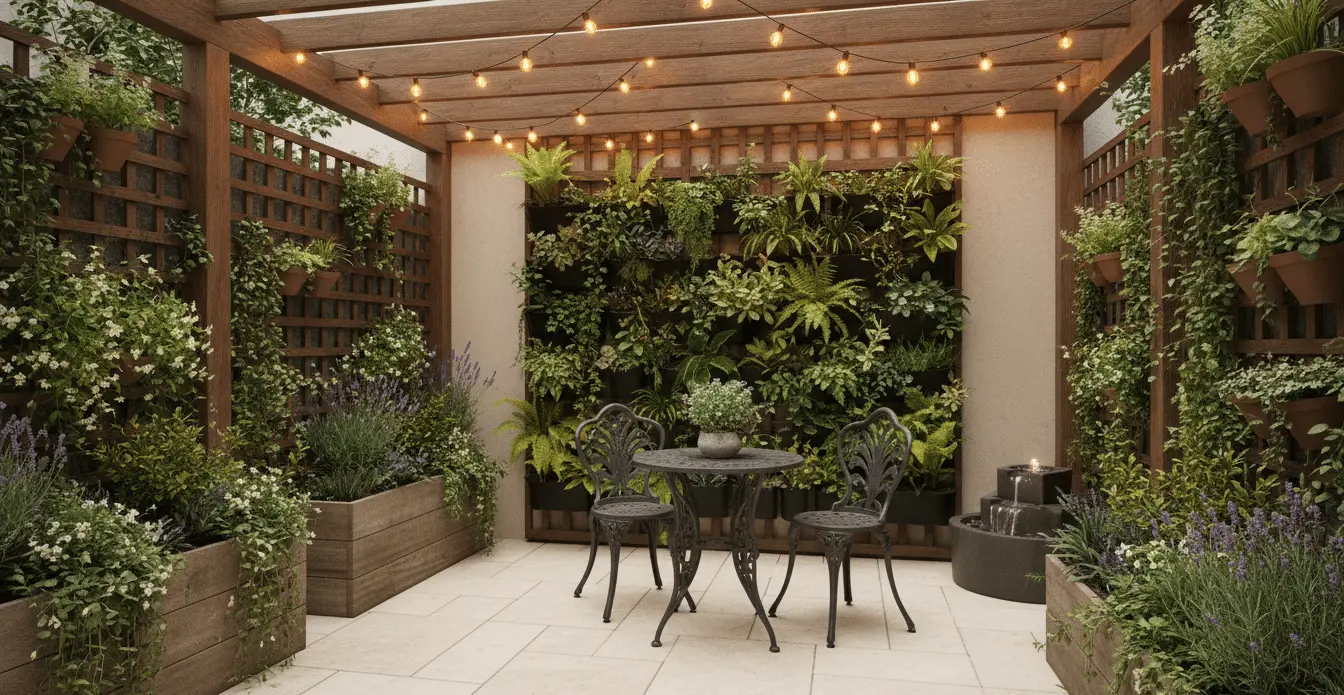
Another effective strategy is to build vertically. Vertical gardens, wall-mounted planters, and trellises add lush greenery without taking up precious square footage. They also create visual height, making small patios appear larger. Using light or neutral tones for flooring and décor can brighten the space and enhance its sense of openness. Incorporating soft textures like outdoor rugs, throw pillows, or lanterns helps bring warmth and depth, making even a tiny patio feel inviting.
Lighting also plays a crucial role. String lights, solar lanterns, or soft pathway lights can create an intimate atmosphere in the evenings, making the space usable at all times of the day. Small water features or tabletop fountains can introduce calming ambiance without taking up room.
Table: Key Small Patio Strategies
| Design Element | Benefit | Example Ideas |
| Compact Furniture | Saves space | Bistro tables, storage benches |
| Vertical Greenery | Adds height & texture | Trellises, wall planters |
| Light Colors | Creates openness | Pale stone, soft neutrals |
| Layered Lighting | Enhances ambiance | String lights, lanterns |
Designing Expansive Patios for Large Outdoor Spaces
Large backyards offer incredible opportunities for dynamic and versatile patio designs. One of the most impactful strategies is to create purposeful zones within the space. A dining area, lounge space, fire pit zone, or outdoor kitchen each contribute to a well-rounded patio that supports everything from quiet evenings to lively gatherings. The flexibility allows homeowners to adapt their outdoor space for different activities throughout the year.
Furniture scale plays a major role. Larger patios call for more substantial seating arrangements—sectionals, oversized lounge chairs, and long dining tables help fill the area proportionally, preventing the space from feeling sparse. Consider using natural elements such as stone pathways, potted trees, or water features to anchor the design. These elements guide movement and bring cohesion across different sections of the yard.
Shade structures like pergolas or covered patios enhance usability, especially for sunny climates. They not only provide comfort but also introduce architectural interest. Adding layered textures—mixing wood, metal, textiles, and greenery—ensures that even a vast patio feels comfortable and welcoming.
Table: Patio Zones for Large Spaces
| Patio Zone | Purpose | Key Features |
| Dining Area | Mealtime gatherings | Large table, ambient lighting |
| Lounge Zone | Relaxation | Sectionals, outdoor rugs |
| Fire Pit Corner | Evening warmth | Stone seating, fire feature |
| Outdoor Kitchen | Cooking & hosting | Grill, prep counter, storage |
Using Multifunctional Furniture to Maximize Patio Usability
Multifunctional furniture is one of the smartest investments for any patio, regardless of size. These pieces allow you to adapt your layout to different needs without sacrificing style or comfort. Options include ottomans that double as tables, benches with hidden storage, modular sectionals, and nesting side tables that tuck away neatly when not in use.
This type of furniture is especially beneficial for small patios, where efficiency is everything. Compact modular seating can be rearranged to accommodate guests or daily relaxation. A storage bench keeps cushions, gardening tools, or outdoor toys neatly tucked away. For larger patios, multifunctional items help define zones and support diverse activities. For example, a movable bar cart can shift from the lounge area to the dining space as needed.
Choosing high-quality, weather-resistant materials ensures longevity. Teak, powder-coated metal, and UV-resistant fabrics hold up well over time. Cushions with removable covers make maintenance simple and allow for seasonal color updates.
Table: Types of Multifunctional Patio Furniture
| Furniture Type | Function | Best Use |
| Storage Bench | Seating + storage | Small patios, entry zones |
| Modular Sectional | Adaptable seating | Large gathering areas |
| Ottoman/Table Combo | Footrest + table | Lounge spaces |
| Nesting Tables | Flexible surfaces | Tight spaces |
Enhancing Small and Large Patios with Outdoor Lighting
Lighting transforms a patio from a simple outdoor area into a functional, atmospheric extension of your home. For small patios, strategic lighting creates intimacy and warmth. For larger spaces, layered lighting helps define zones and provides safety and usability after sunset. Regardless of yard size, a thoughtful lighting plan enhances both visual appeal and comfort.
String lights remain a popular choice due to their versatility and charm. They work beautifully across small yards by making the area feel cozy and inviting. Lanterns, solar pathway lights, and LED wall sconces enhance ambiance while keeping energy use low. In larger backyards, landscape lighting brings depth by spotlighting trees, architectural features, or pathways. Fire pits and outdoor fireplaces offer natural illumination and create focal points that draw people together.
Lighting also influences the mood of the entire patio. Soft warm bulbs create a relaxing environment, while cooler tones offer a modern, crisp feel. Layering different types of lighting—ambient, task, and accent—ensures your patio remains functional and beautiful throughout the night.
Table: Lighting Types and Their Use
| Lighting Type | Effect | Ideal Placement |
| String Lights | Creates warmth | Overhead, fences |
| Solar Lights | Eco-efficient | Pathways, garden beds |
| Lanterns | Portable ambiance | Tables, corners |
| Wall Sconces | Structural lighting | Patio walls |
Incorporating Natural Materials for Timeless Outdoor Aesthetics
Using natural materials in patio design creates a timeless, earthy atmosphere that suits both small and large spaces. Stone, brick, wood, gravel, and clay effortlessly blend with outdoor environments and age beautifully over time. These materials also add texture and character, making your patio feel grounded and cohesive.
Stone and brick patios offer durability and visual richness. They pair well with neutral outdoor furniture and greenery, creating a classic backyard setting. Wooden elements, such as pergolas, outdoor furniture, or decking, introduce warmth and contrast. Gravel patios offer a more relaxed, European-inspired aesthetic while being budget-friendly and easy to maintain. Combining multiple natural materials—like stone flooring and wooden accents—brings layered depth to your design.
Plants also play a crucial role in enhancing natural aesthetics. Potted trees, climbing vines, native shrubs, and herb planters soften hard materials and create organic flow. This approach ensures your patio feels like a true retreat within your backyard.
Table: Natural Materials and Benefits
| Material | Benefit | Best Use |
| Stone | Durable, elegant | Flooring, fire pits |
| Wood | Warm, versatile | Furniture, pergolas |
| Brick | Classic charm | Patios, walkways |
| Gravel | Low maintenance | Ground cover, borders |
Building Outdoor Living Zones for Multi-Purpose Backyards
Creating intentional zones within your patio design ensures you get the most out of your outdoor space, especially in larger backyards. However, even small patios can benefit from subtle zoning that guides movement and enhances usability. These zones help organize your outdoor living area into functional sections that support dining, relaxing, gardening, or entertaining.
Start by deciding which activities matter most for your lifestyle. A dining area with a simple bistro set might be perfect for small backyards, while larger spaces can accommodate full-sized tables. Lounge zones benefit from comfortable seating, outdoor rugs, and coffee tables that mimic indoor living. A fire pit area creates a natural gathering point, while gardening or planting corners add a touch of nature and visual softness.
Using materials—such as different rug textures, planter arrangements, or paver patterns—can help define zones without building physical barriers. This approach maintains openness while creating structured flow.
Table: Simple Ways to Create Patio Zones
| Zone Type | Purpose | Defining Element |
| Dining | Meals & hosting | Table + overhead lighting |
| Lounge | Relaxation | Outdoor rug + cushions |
| Fire Feature | Gathering | Stone or gravel base |
| Garden Corner | Nature & texture | Raised planters |
Choosing Color Palettes to Enhance Backyard Patio Style
Color plays a powerful role in shaping your patio’s style and ambiance. Earthy neutrals—such as beige, taupe, sand, and stone gray—offer a natural canvas that blends seamlessly with greenery and hardscaping. These colors work beautifully in both small and large patios, creating a calming environment that feels grounded and timeless.
If you want to introduce contrast or personality, consider accent colors such as terracotta, navy blue, olive green, or muted yellow. These shades add depth while remaining sophisticated enough for an outdoor setting. Larger spaces benefit from bold accents because they offer visual anchors across wide areas. In smaller backyards, subtle pops of color through cushions, planters, or outdoor rugs add interest without overwhelming the space.
Coordinating color palettes with surrounding landscaping helps your patio feel cohesive with its natural environment. Harmonizing tones across furniture, planters, and accessories creates a polished look that feels intentional.
Table: Outdoor Color Palette Ideas
| Palette | Mood | Works Best In |
| Earthy Neutrals | Calm & timeless | All patio sizes |
| Terracotta + Olive | Mediterranean warmth | Rustic or boho patios |
| Navy + Gray | Modern sophistication | Large patios |
| Sage + Cream | Soft & organic | Small patios |
Conclusion
Backyard patios offer endless opportunities for enhancing outdoor living, whether you’re working with a small courtyard or a spacious yard. Understanding how to choose the right furniture, lighting, materials, colors, and layouts allows you to design a space that feels both beautiful and functional. With thoughtful planning, outdoor areas can become meaningful extensions of the home—places to relax, entertain, and connect with nature. Whether casual or refined, compact or expansive, the perfect patio is one that reflects your lifestyle and transforms your backyard into a space you genuinely enjoy.