
Best Cozy Basement Design Ideas to Maximize Comfort (Ultimate Guide for Warm, Inviting Spaces)
Table of Contents
Introduction
A basement has long been considered bonus square footage—an afterthought to the main living areas. Yet homeowners are increasingly transforming these undervalued spaces into warm, functional retreats. In fact, recent home improvement studies show that finished basements can increase usable living space by up to 50%, dramatically improving a home’s comfort and versatility. But turning a cold, dim basement into a cozy sanctuary isn’t always straightforward. Challenges like low ceilings, limited natural light, and awkward layouts can make the design process feel overwhelming.
This is exactly why exploring cozy basement design ideas is so valuable. With the right combination of lighting, textures, furnishings, and layout strategy, even the most unfinished or chilly basement can become a favorite hangout spot. Whether you’re envisioning a reading nook, entertainment room, guest suite, or multifunctional family space, thoughtful design can completely reshape how your basement feels and functions.
In this guide, you’ll discover a curated collection of the best comfort-oriented basement design ideas, from enhancing warmth and ambiance to optimizing furniture, colors, and zoning. Each section includes practical insights, real-world examples, and easy-to-understand visual tables to help you bring your dream space to life. By the end, you’ll have a clear roadmap for transforming your basement into a cozy, inviting haven you’ll want to enjoy every day.
Layered Lighting Designs That Warm Up the Basement
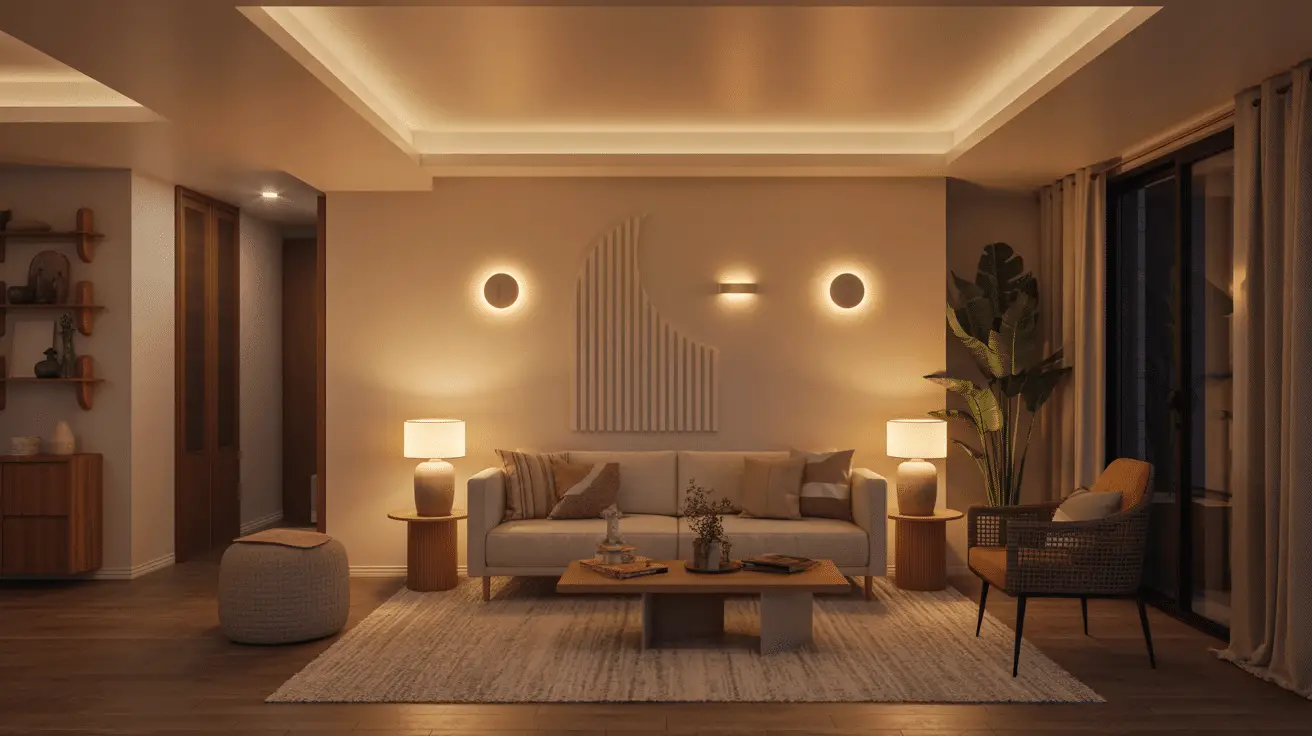
Lighting is one of the most transformative elements in any cozy basement design. Because basements often lack natural sunlight, the right lighting strategy can instantly shift the atmosphere from cold and uninviting to warm and intimate. Instead of relying on a single overhead fixture, layered lighting blends multiple light sources to create depth, softness, and visual interest. This approach incorporates ambient, task, and accent lighting to balance both functionality and comfort.
Warm-toned LED bulbs and adjustable dimmers play an important role in shaping mood. A basement designed for relaxation benefits from lights that mimic natural daylight during the day and offer a softer glow in the evening. Recessed lighting remains a popular option due to low ceilings, but pairing it with floor lamps, wall sconces, or even under-shelf LED strips can dramatically improve coziness. In entertainment zones, backlit shelving or concealed LED coves add an elegant glow that elevates the space without overwhelming it.
Lighting elements should also enhance architectural features. For example, uplighting can make a low ceiling appear taller, while wall-mounted fixtures can make narrow rooms feel wider. Ultimately, a thoughtful mix of lighting types gives you maximum flexibility—bright enough for activities yet effortlessly calming when you want to unwind. Explore your basement’s layout and areas of focus to personalize a layered lighting plan that supports both function and ambiance.
Lighting Breakdown Table
| Lighting Type | Purpose | Best Placement | Cozy Effect |
| Ambient | General illumination | Ceiling or central fixtures | Creates warm overall glow |
| Task | Focused lighting | Desks, reading chairs, craft areas | Enhances comfort during activities |
| Accent | Decorative emphasis | Shelves, art walls, niches | Adds depth and inviting warmth |
Warm Color Palettes and Textures That Add Instant Comfort
Color plays an essential psychological role in making a basement feel cozy rather than cold. Choosing the right palette can counteract low natural light and create a sense of warmth and intimacy. Soft neutrals like beige, taupe, creamy whites, and warm greys create a soothing base that pairs beautifully with deeper accent colors such as terracotta, forest green, burnt sienna, or navy. These combinations help ground the basement while enveloping it in a comfortable, lived-in feel.
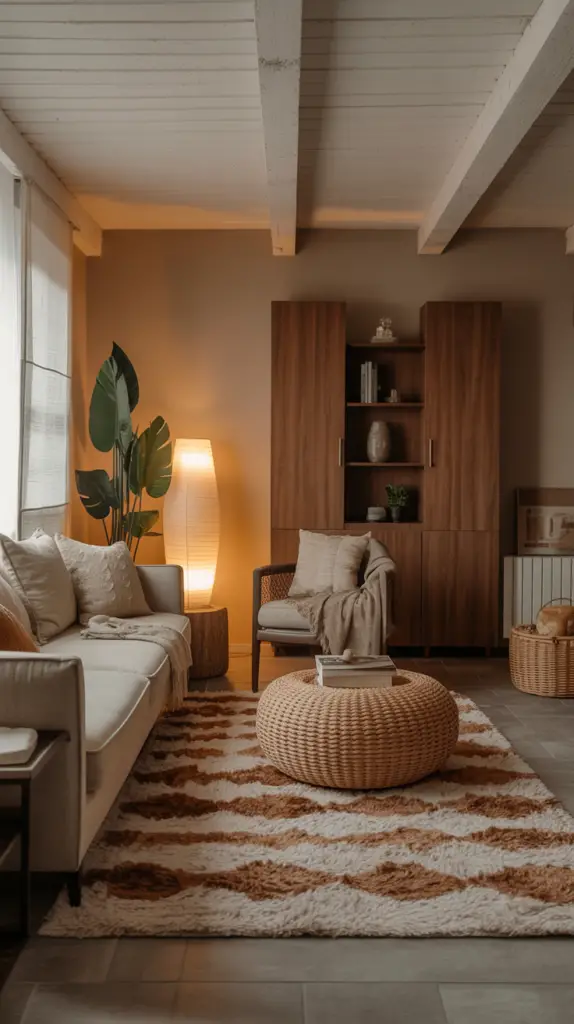
Textures are equally important in enhancing comfort. Plush fabrics, knitted throws, velvet cushions, shag rugs, and boucle furniture all provide tactile warmth that compensates for naturally cooler basement temperatures. Wood elements—whether flooring, furniture, beams, or wall cladding—further heighten the feeling of coziness by adding natural warmth and organic dimension. Exposed brick, stone fireplaces, and woven baskets contribute to a layered, textured look that feels curated rather than cluttered.
When designing your palette and textures, consider creating visual continuity so the space feels cohesive. Accent walls, patterned rugs, and layered fabrics work well in larger basements, while soft monochromatic tones with subtle texture variations are ideal for smaller rooms. Using color strategically around architectural challenges—like painting low ceilings a lighter shade—can also enhance comfort and openness.
Color & Texture Guide
| Element | Recommended Options | Effect on Space |
| Wall Colors | Warm neutrals, soft earth tones | Creates calm, inviting foundation |
| Textiles | Velvet, wool, boucle, chunky knits | Adds tactile warmth and softness |
| Natural Materials | Wood, stone, rattan | Enhances organic, cozy appeal |
Functional Layout Strategies for Maximizing Comfort and Flow
A cozy basement thrives on smart space planning. Because basements often include structural beams, irregular layouts, or low ceilings, designing a functional arrangement requires both creativity and intentional zoning. Start by analyzing how you intend to use the space—whether for lounging, entertainment, work, hobbies, or guest accommodations. Once the purpose is clear, you can shape zones that enhance movement and comfort.
Furniture placement is key. Oversized sectionals work beautifully in larger basements because they create a central hub for relaxation and conversation. In more compact areas, modular seating allows flexibility and efficient traffic flow. Avoid pushing all furniture against the walls; floating seating arrangements help define open floor plans and make basements feel more residential than utilitarian.
Zoning also increases comfort. Carpets can delineate living spaces, while shelving or console tables subtly divide activity areas without interrupting visual openness. Lighting zones should coordinate with functional zones: bright task lighting for work areas, softer lighting for lounging. Flexibility is crucial—design a layout that can evolve with your needs, such as rearranging furniture for gatherings or seasonal activities.
Functional Layout Table
| Zone | Key Features | Benefits |
| Lounge Area | Sectional, rug, warm lighting | Creates cozy central gathering area |
| Entertainment Space | TV, built-ins, dimmable lights | Enhances comfort for movie nights |
| Multi-use Nook | Desk, shelves, soft seating | Supports hobbies or remote work |
Cozy Fireplace and Heating Elements to Transform Ambiance
Heating plays a vital role in basement comfort, as underground spaces tend to feel naturally cooler. Incorporating a fireplace or alternative heating solution enhances ambiance while making the basement feel like a welcoming retreat. Electric fireplaces are especially popular since they produce realistic flames without requiring ventilation. They can be installed on accent walls, recessed into built-ins, or placed beneath a mounted television to create a luxurious focal point.
A fireplace instantly adds emotional warmth. Pairing it with natural materials like stone, reclaimed wood, or herringbone tile elevates visual appeal and gives the room a sophisticated, snug atmosphere. Even small basements can benefit from compact, wall-mounted fireplace designs. For larger spaces, dual-sided fireplaces or modern linear units can anchor the entire room with elegance.
Alternative heating solutions such as radiant floor heating provide an invisible, highly effective source of warmth. Heated flooring, particularly under tile or luxury vinyl plank, makes walking barefoot enjoyable in colder months. Strategic placement of plush rugs further increases comfort and softens the overall environment. Portable heaters are also useful but should complement, not replace, built-in heating elements.
Heating Options Comparison
| Heating Type | Pros | Best Use Case |
| Electric Fireplace | Easy install, aesthetic warmth | Focal points and living areas |
| Radiant Floor Heating | Even heat, luxurious comfort | Whole-room warmth in cold climates |
| Wall-Mounted Heater | Compact and efficient | Small or narrow spaces |
Expanded Section: Multi-Functional Storage Solutions That Keep the Basement Clutter-Free
Storage is one of the most overlooked aspects of cozy basement design, yet it plays a crucial role in comfort. A cluttered basement can quickly feel chaotic and disorganized, undermining even the most beautiful décor. By integrating multi-functional storage solutions, you can maintain a serene, welcoming environment while maximizing every inch of space.
Built-in shelving is a practical cornerstone for basement storage. Custom units can be designed around architectural obstacles such as support beams, staircases, or angled walls, transforming awkward spaces into useful ones. These shelves are ideal for displaying books, cozy blankets, games, and decorative elements that enhance warmth. When designed with closed cabinetry at the bottom, built-ins offer a combination of aesthetic display and hidden storage—perfect for concealing clutter.
Furniture with built-in storage is another strategy that elevates both function and comfort. Storage ottomans, lift-top coffee tables, and sofas with hidden compartments provide convenient spaces for pillows, seasonal décor, or media equipment. These pieces maintain a clean, open feel without sacrificing easy access to household items. Choosing upholstered furniture in warm textures adds softness and contributes to the cozy atmosphere.
Vertical storage solutions also help optimize space. Floor-to-ceiling shelving or wall-mounted organizers are especially helpful in smaller basements, where horizontal space may be limited. For hobby areas—such as craft corners, playrooms, or home gyms—zoned storage systems like cubbies, baskets, and labeled bins maintain order while allowing personalization.
Storage Strategies Table
| Storage Type | Ideal Purpose | Comfort Benefit |
| Built-in Shelving | Display + concealed storage | Enhances design while reducing clutter |
| Multi-functional Furniture | Blankets, games, accessories | Keeps essentials nearby and tidy |
| Vertical Storage Systems | Books, décor, hobby items | Maximizes space and creates openness |
Expanded Section: Textiles, Rugs, and Soft Furnishings That Elevate Warmth
Soft furnishings are essential for achieving a cozy, comfortable basement. Because basements often have harder architectural elements—such as concrete floors, brick walls, or unfinished ceilings—textiles play the role of softening and balancing the space. Thoughtfully chosen rugs, curtains, pillows, and upholstered furniture transform the environment both visually and physically.
Area rugs are the foundation of warmth. A thick, plush rug can instantly elevate comfort, especially over cold basement flooring. Consider layering rugs for depth and texture—pairing a neutral base rug with a patterned or woven top layer adds dimension without overwhelming the room. Large rugs help define zones and make the basement feel more connected and intentional.
Curtains also enhance coziness, even if your basement has small or high-set windows. Floor-to-ceiling drapery gives the illusion of height and adds a luxurious softness. Choose fabrics such as linen, velvet, or thermal blends for both aesthetic and functional benefits. These materials help regulate temperature and improve acoustics, making the basement quieter and more pleasant.
Throw blankets and pillows are the easiest way to refresh your basement for different seasons. Chunky knit throws and faux fur pillows add winter warmth, while cotton or linen alternatives keep the space breathable during warmer months. Upholstered furniture in soft textures like microfiber, chenille, or boucle creates a welcoming lounge area perfect for relaxation.
Textile Inspiration Table
| Textile | Best Use | Cozy Benefit |
| Plush Rugs | Living + seating areas | Softens cold surfaces, adds warmth |
| Velvet Curtains | Windows + accents | Enhances luxury and temp control |
| Knitted Throws | Sofas + accent chairs | Adds seasonal comfort and texture |
Conclusion
Creating a cozy basement is ultimately about blending warmth, comfort, and thoughtful design. The right combination of lighting, textures, furnishings, storage, and layout can completely transform a space that often feels overlooked into one that becomes a daily retreat. By choosing warm color palettes, investing in practical heating solutions, and organizing the room with intention, your basement can evolve into a functional extension of your home that brings comfort year-round. These ideas encourage not just beautiful design but meaningful living—turning the basement into a space where relaxation, connection, and creativity flourish.