
Boys Bedroom Color Scheme Ideas for Cool Style and Modern Personality
Table of Contents
Introduction
Color is one of the most powerful tools in shaping how a room feels, especially when designing a space for children and teens. Studies show that color influences mood, focus, and creativity—making it an essential part of crafting a bedroom that not only looks stylish but supports your child’s growth and personality. Yet many parents struggle to choose the right palette, unsure how to balance long-lasting style with the evolving tastes of their boys. Should you lean bold or keep it neutral? Go trendy or choose timeless shades? The options can feel overwhelming.
This guide breaks down boys bedroom color scheme ideas for cool style in a way that’s practical, design-forward, and easy to apply, even if you’re updating on a budget. You’ll discover modern palettes, unexpected color combinations, and smart ways to use paint, textiles, and décor to build a cohesive look. Whether you’re designing a room for a toddler, a school-aged child, or a teen, this article will help you shape a bedroom that feels personal, functional, and effortlessly stylish. By the end, you’ll have the confidence and clarity to choose a color scheme that will grow with your child while making his room one of the coolest spaces in the house.
Classic Blues with a Modern Twist
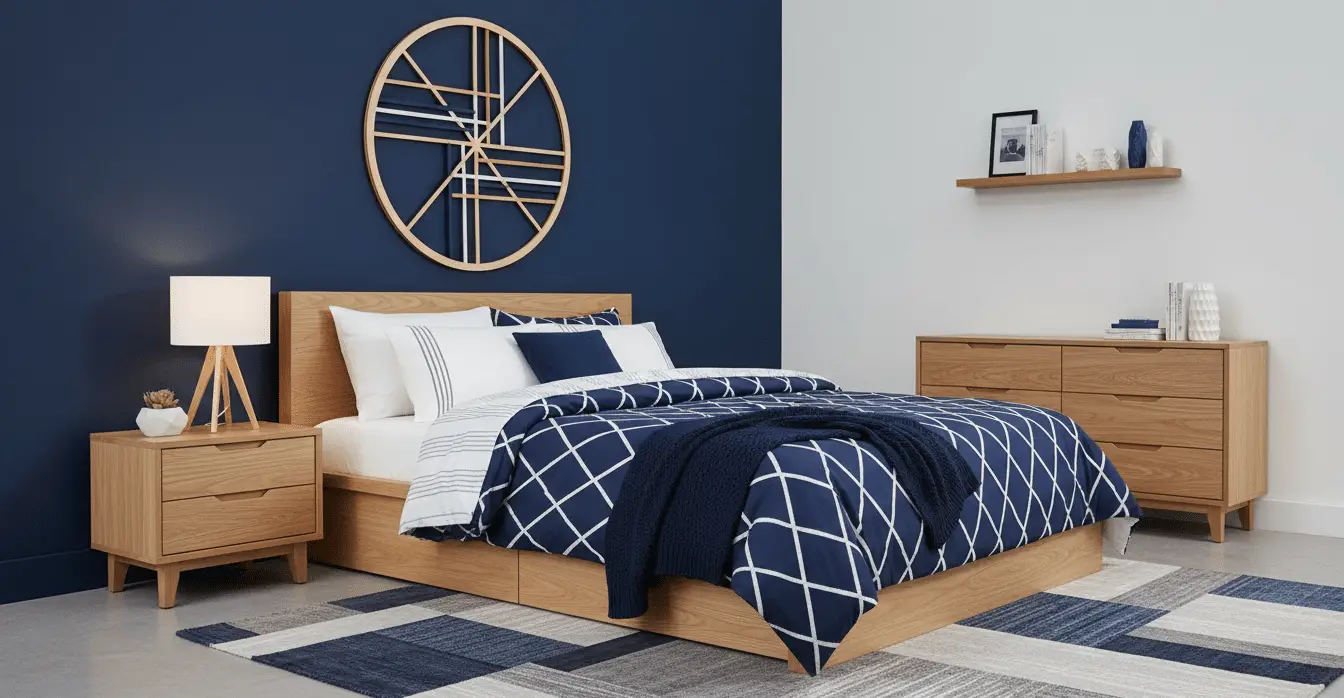
Blue has long been a favorite in boys’ bedroom design, but the modern approach takes this classic shade far beyond its traditional uses. Today’s blue palettes pair deeper hues with crisp whites, warm wood tones, or cool charcoal accents, resulting in a space that feels timeless yet elevated. Navy walls, for example, provide a dramatic backdrop without overwhelming the room, and when layered with lighter bedding or metallic finishes, they add a refined sense of depth. Powder blue or denim blue can also deliver a relaxed mood, making them ideal for younger children who need a calming environment.
A modern twist on blue includes pairing it with unexpected colors like mustard yellow, burnt orange, or muted sage to introduce playful energy without sacrificing style. Accent walls or patterned wallpaper offer opportunities to incorporate geometric shapes or stripes, bringing in dimension and personality. Storage bins, rugs, and art pieces in coordinating shades reinforce the palette, creating an intentional and cohesive look.
Visual Breakdown: Modern Blue Room Elements
| Feature | Blue Variation | Effect on Style |
| Wall Color | Navy or Indigo | Creates depth and sophistication |
| Bedding | Light Blue or White | Softens dark walls |
| Accent Decor | Mustard, Orange | Adds playful contrast |
| Furniture | Natural Wood or Black | Grounds the palette |
Grey and White Minimalism for Sleek Style
Grey and white combinations deliver a sophisticated, understated palette perfect for boys of all ages. This scheme offers the versatility to evolve with your child’s interests, acting as a blank canvas for themed décor or bold accent pieces. Grey tones—ranging from warm taupe to cool slate—provide visual softness while still feeling modern, and when paired with crisp white trim or furniture, the room immediately looks brighter and more spacious.
Start by choosing the right shade of grey based on natural lighting. Rooms with limited sunlight benefit from lighter greys that keep the space airy, while large rooms or those with ample windows can handle deeper tones. A chalky charcoal accent wall may provide a polished, moody effect ideal for teens. For younger boys, a soft dove grey supports calm play and sleep.
Incorporate layers through textures, such as knitted throws, plush rugs, or woven baskets. This helps prevent the minimalist palette from feeling cold. Storage furniture in white or black offers clean lines, allowing toys, books, or collectibles to pop visually without competing with the color scheme.
You can also introduce minimal patterning through striped bedding or monochromatic decals. These small details make the room visually interesting without overwhelming the core neutral palette. Lighting is essential in a grey-and-white scheme; warm-toned lamps or LED strips soften the cooler hues, creating a cozy environment that balances style and comfort.
Grey & White Minimalist Palette Guide
| Grey Shade | Best Use | Complements |
| Light Dove Grey | Small rooms | White, pale blue |
| Medium Cool Grey | Transitional spaces | Black, navy |
| Charcoal Grey | Accent walls | Metallics, wood |
Bold Reds and Blacks for Energetic Impact
For a boy who thrives on energy and excitement, a color scheme of red and black creates a dynamic, high-contrast environment full of personality. Red is a stimulating, powerful color, while black offers structure and sophistication. Combined, they produce a visually striking room ideal for older kids or teens who want a space that feels expressive and modern.
To keep the palette from becoming overwhelming, use red strategically. Feature walls, bedding, or accent shelving offer opportunities to introduce vibrant red without dominating the space. Matte black furniture or geometric wall art provides a balanced, contemporary feel. If you prefer a softer take, consider substituting cherry red for a muted brick tone or swapping deep black for charcoal.
Textiles in greys, whites, or subtle patterns help anchor the intensity of the color scheme. Use organic materials—like wood or leather—to keep the room from feeling too industrial. Storage elements in black metal or red-painted crates contribute both function and style. For an athletic or performance-themed room, incorporate team colors or graphic motifs that echo the red-and-black palette.
Red & Black Room Breakdown
| Component | Color Choice | Why It Works |
| Accent Wall | Deep Red | Adds drama and energy |
| Furniture | Matte Black | Provides contrast and structure |
| Bedding | Grey + Red | Softens brightness |
| Decor | Metallics | Adds balance and sophistication |
Nature-Inspired Greens for Calm and Creativity
Green is a versatile choice for boys’ bedrooms because it bridges the gap between calm and inspiration. Associated with growth, creativity, and a sense of grounding, nature-inspired greens help create a relaxing environment while also supporting focus—perfect for homework, hobbies, and rest. Shades like sage, olive, forest, and moss bring warmth and visual interest without feeling overly bold.
Begin by choosing a foundational green that sets the tone. Sage works beautifully in small or low-light rooms because of its soft, grey undertones, while deeper greens like forest or hunter create a cozy, enveloping effect in larger spaces. Pairing green with natural materials—such as wood, rattan, or linen—strengthens the organic feeling.
Incorporate layers of green through décor like botanical prints, plant-themed textiles, or even real indoor plants. A combination of greens works well as long as undertones are consistent; warm-toned greens pair best with beige, tan, or warm woods, while cooler greens complement white and grey.
To bring cohesion, anchor the color palette with neutrals. Beige rugs, wooden dressers, or off-white bedding prevent the room from becoming overly saturated. If your child loves adventure themes—like camping, wildlife, or exploration—greens become the perfect backdrop to bring these interests to life.
Guide to Nature-Green Palettes
| Green Shade | Atmosphere | Best Pairing |
| Sage | Soft, airy | White, oak wood |
| Olive | Warm, grounded | Tan, brass accents |
| Forest | Cozy, bold | Charcoal, natural textures |
Cool Neutrals with Accent Pops for Versatility
Cool neutrals—like white, beige, tan, or light taupe—provide endless flexibility for boys’ bedroom design. These tones create a clean, airy foundation that can be refreshed easily as your child’s interests shift. What elevates this palette is the use of “accent pops”: intentional bursts of color through art, pillows, rugs, or shelving.
This approach works particularly well for parents who want long-lasting walls but adaptable décor. Start with a neutral backdrop, then choose one or two accent colors to feature. Common choices include navy, mustard, forest green, or burnt orange. These tones bring warmth and vibrancy without overwhelming the space.
Neutral Accent Strategy Table
| Base Color | Accent Options | Mood |
| White | Navy, Forest | Classic + crisp |
| Light Beige | Burnt Orange | Warm + playful |
| Taupe | Mustard | Trendy + modern |
Modern Black and White for Graphic Style
A black-and-white palette is bold, modern, and surprisingly versatile for boys’ bedrooms. This high-contrast scheme creates a clean, graphic look that works with themes like sports, space, or Scandinavian minimalism. Use black sparingly by incorporating it into line art, patterns, or select furniture pieces.
Black & White Design Breakdown
| Element | Use | Effect |
| Black Lines | Wall art or frames | Adds definition |
| White Walls | Main backdrop | Brightens space |
| Patterned Textiles | Bedding, rugs | Creates visual interest |
Soft Pastels for Younger Boys with Style
Pastels offer a gentle and stylish option for younger boys’ bedrooms. These colors create a soothing environment while still feeling playful and full of personality. Soft blue, mint, dusty yellow, and muted coral can be layered together for a whimsical look.
Pastel Palette Breakdown
| Pastel Shade | Style Level | Complements |
| Mint | Calm | White, natural wood |
| Dusty Blue | Classic | Beige |
| Muted Yellow | Cheerful | Grey |
Conclusion
Choosing the right boys bedroom color scheme is about more than paint—it’s about shaping a space that reflects personality, encourages creativity, and evolves with your child over time. Whether you gravitate toward calm greens, modern greys, bold reds, or timeless blues, color sets the foundation for a room that feels both stylish and meaningful. With thoughtful layering, intentional accents, and an understanding of how different shades influence mood, you can design a bedroom that grows with your child while supporting comfort, focus, and self-expression. No matter the palette, the goal remains the same: creating a cool, welcoming space that feels uniquely his.