
Creative Toddler Closet Organization Ideas for Stylish Storage: Smart, Beautiful Ways to Simplify Kids’ Spaces
Table of Contents
Introduction
Organizing a toddler’s closet can feel like a never-ending challenge. Between fast-growing clothing sizes, toy collections that expand overnight, and the need for easy daily access, many parents struggle to maintain a system that is both functional and visually pleasing. In fact, recent home organization surveys reveal that children’s closets are among the top three spaces families find hardest to manage. The good news? With thoughtful strategies and stylish solutions, a toddler closet can become one of the most charming and efficient areas in the home.
Closet organization matters far beyond aesthetics. A well-designed toddler closet supports smoother morning routines, encourages early independence, and helps prevent the overflow of clutter that often comes with raising young children. When clothes are easy to reach, toys have a designated home, and accessories are neatly sorted, both parents and toddlers benefit from a calmer, more manageable environment.
This article explores creative toddler closet organization ideas for stylish storage that blend beauty with practicality. From maximizing small spaces and incorporating kid-friendly shelving to designing customizable systems and using decorative elements to elevate functionality, you’ll discover detailed, actionable ways to transform your toddler’s closet into a streamlined, stylish, and joyful space. Whether you have a spacious walk-in or a compact reach-in closet, these ideas will help you create a system that grows with your child and enhances your home.
Maximizing Vertical Space for Toddler-Friendly Storage
One of the most effective ways to create a stylish yet functional toddler closet is by maximizing vertical space. Toddlers have smaller clothing and accessories, which means their closets offer valuable unused height that adults often overlook. Utilizing this vertical real estate ensures every inch becomes purposeful while maintaining a visually cohesive design.
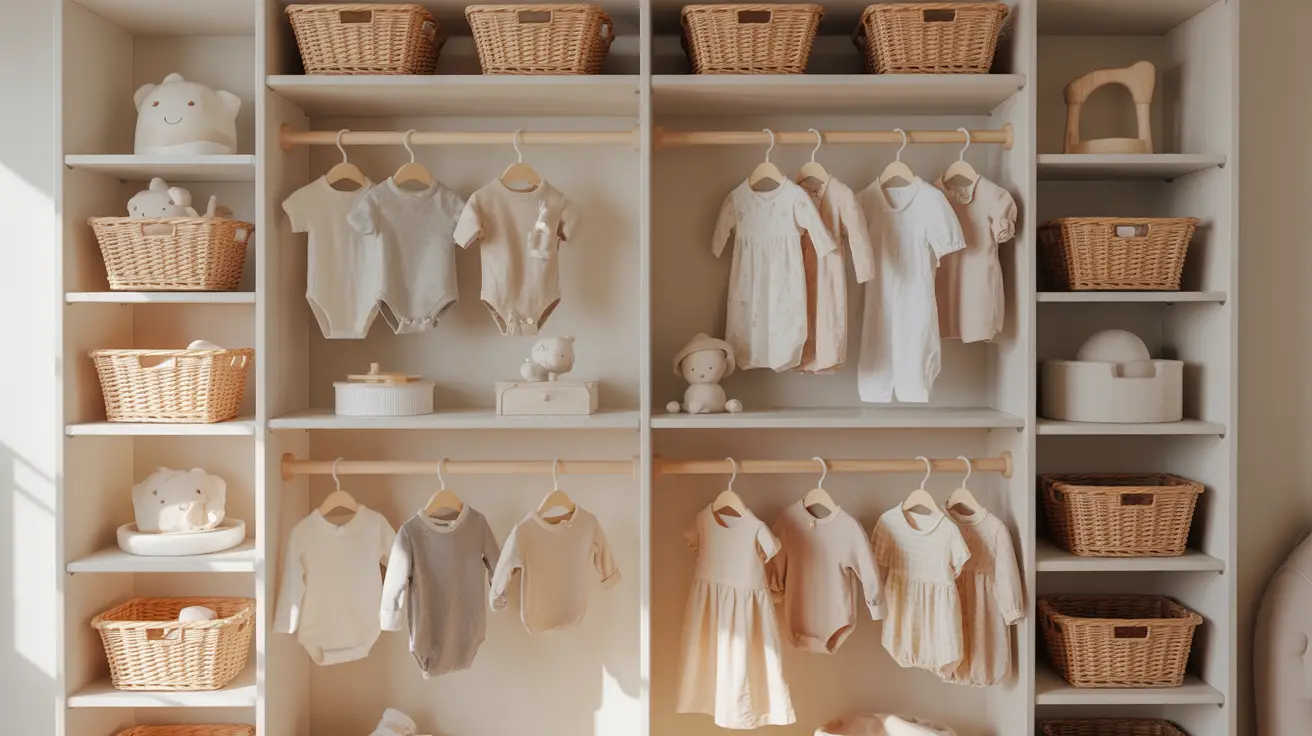
Lower hanging rods make clothing accessible to toddlers, supporting independence as they learn to dress themselves. Installing a double-rod system instantly doubles available hanging space—keeping everyday outfits at child height and reserving upper rods for off-season clothing or items that require parent handling. Adjustable shelving contributes even more flexibility, allowing you to shift shelf heights as your child grows and their wardrobe evolves.
Upper shelves serve as ideal storage for sentimental items, seasonal bins, or backup diapers and wipes. Decorative boxes or woven baskets maintain style while keeping less-used items neatly contained. For the highest sections, clear storage bins make it easy to quickly identify contents, reducing the need to rummage through storage.
Hooks add additional vertical function. Staggered hooks on the sides of the closet are perfect for hats, tiny backpacks, or coats. Even a peg rail can add charm while offering a practical display of frequently used items.
Vertical Storage Breakdown
| Area | Solution | Benefit |
| Lower Section | Child-height rod | Encourages independence |
| Mid Section | Adjustable shelves | Flexible organization |
| Upper Section | Bins and labeled boxes | Maximizes high spaces |
| Wall Sides | Hooks or peg rail | Easy-access accessory storage |
Designing a Customizable Closet System That Grows with Your Toddler
A toddler’s closet must adapt quickly to changing needs—what works for a two-year-old may not suit a four-year-old’s wardrobe or interests. That’s why a customizable closet system is one of the most valuable investments you can make. Flexibility allows your closet to evolve with your child without requiring frequent redesigns or replacements.
Begin with modular shelving. Systems that allow you to move shelves up or down make it simple to accommodate everything from tiny onesies to larger folded outfits or bulky sweaters. These shelves also create structured zones, preventing items from getting lost or mixed together. Modular systems can include drawers, cubbies, or open shelving; choose a mix that supports both visibility and easy access.
Next, consider adjustable rods. Toddlers need clothing within reach, but as they grow taller, their storage needs change. Using rods that can be repositioned keeps the closet functional for years. A dual-placement rod system—one low rod for childhood accessibility and one higher rod for growth—helps establish long-term flexibility.
Drawer inserts and dividers play a major role in organization. Toddler essentials like socks, tights, and small accessories are easily lost without micro-organization. Using small inserts keeps everything neatly separated while maintaining a clean, stylish appearance.
Built-in cubbies provide a designated home for shoes, small toys, or baskets filled with seasonal items. Cubbies that fit removable bins allow you to refresh the look without reconfiguring the entire closet. Choose bins in neutral tones or playful prints to align with your design style.
Finally, consider the future. Adding features like shelf-back panels, decorative molding, or stylish hardware can elevate the closet from purely functional to visually polished, making it enjoyable long after toddlerhood.
Customizable System Guide
| Component | Function | Long-Term Value |
| Modular Shelves | Adjustable storage | Adapts as wardrobe changes |
| Movable Rods | Flexible hanging space | Grows with child |
| Drawer Inserts | Micro-organization | Keeps small items tidy |
| Cubbies & Bins | Structured zones | Easy to update décor |
Using Bins, Baskets, and Labels to Create Visual Harmony
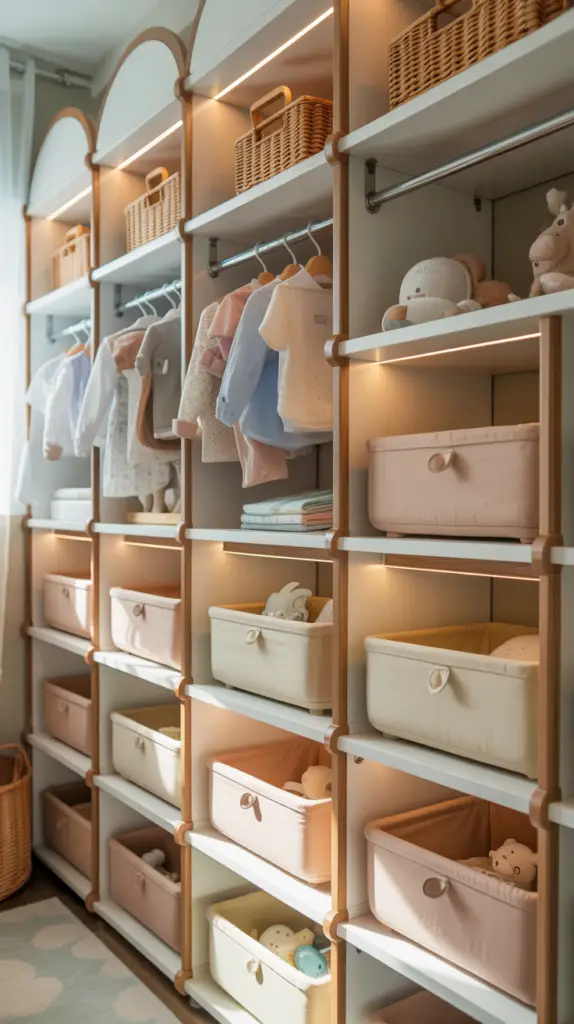
Bins and baskets are essential for creating stylish and functional toddler closet organization. Their biggest advantage is keeping small items contained while adding aesthetic charm. The right combination of materials—woven rattan, cotton rope, felt, or acrylic—can elevate even the simplest closet layout.
Choose bins in a consistent color palette to achieve visual harmony. Neutral tones create a clean, calming aesthetic, while soft pastels or muted earthy shades introduce warmth without overwhelming the space. Matching baskets across shelves provide cohesion, making the closet appear thoughtfully curated.
Labels are equally important. Toddlers thrive when systems are simple, and labels help ensure everything returns to its proper place. Use picture labels for younger toddlers and written ones for older children beginning to recognize words. Acrylic labels with minimal typography add a polished touch, while chalkboard tags offer flexibility for seasonal changes.
Bins also help structure the closet by categorizing essentials. One bin can hold pajamas, another hats, another swimsuits, and another spare bedding. This prevents overstuffing drawers and keeps everything easy to locate, even during busy mornings.
Bin & Basket Organization Chart
| Type | Best Use | Visual Effect |
| Woven Basket | Toys, blankets | Adds warmth and texture |
| Felt Bin | Clothes, accessories | Soft and child-safe |
| Acrylic Box | Shoes, seasonal items | Clean and modern |
| Rope Basket | Bulky items | Neutral and natural |
Creating Zones to Simplify Daily Toddler Routines
Creating designated zones within a toddler closet is a powerful way to streamline daily routines. Children naturally thrive when they understand where things belong, and zoning transforms the closet into an intuitive system that both parents and toddlers can follow with ease.
Start by designating a “daily essentials” zone. This area should be at toddler height and include items used every day—shirts, pants, pajamas, socks, and shoes. Keeping these within easy reach encourages independence and helps toddlers learn decision-making skills as they choose their outfits.
Next, create a “seasonal rotation” zone. As toddlers grow quickly, rotating clothes ensures that only current sizes and weather-appropriate items are accessible. Using upper shelves or a dedicated bin helps simplify this process, preventing outgrown or off-season clothing from cluttering the main areas.
The “special items” zone offers a space for cherished outfits, gifts, or occasionally used pieces such as holiday sweaters or dressy clothes. This section is best placed higher up or behind closed drawers to keep it neat and safe.
A “toy or activity” zone can be included if your toddler’s closet doubles as a general storage area. Using shallow bins for puzzles, art supplies, or stuffed animals integrates play and organization seamlessly.
Zoning is also aesthetically powerful. It creates symmetry and clarity in the closet, making the space feel intentional rather than chaotic. Color-coordinated labels or bins help reinforce each zone visually, tying the entire system together.
Zone Layout Guide
| Zone | Purpose | Best Placement |
| Daily Essentials | Easy access items | Lower shelves, low rod |
| Seasonal Rotation | Off-season storage | Upper shelves |
| Special Items | Occasional wear | Protected, mid-to-high zones |
| Toys/Activities | Play storage | Lower bins or cubbies |
Incorporating Kid-Friendly Shelving and Easy-Access Drawers
Kid-friendly shelving empowers toddlers to participate in their own routines while maintaining organization. Low, open shelves are ideal because they reduce barriers—toddlers can simply grab items without opening and closing drawers, which can sometimes be frustrating for small hands.
Drawers should glide easily and not slam, making soft-close mechanisms especially helpful. Organizing drawers using adjustable dividers ensures everything—from undergarments to small accessories—has a dedicated space. This keeps drawers from becoming catch-all areas where clothing disappears.
Choose shelving with rounded corners for safety. Soft-finish materials like painted wood or laminated surfaces are easier for toddlers to handle and clean. Consider combining shelves with cubbies to give the closet a structured yet flexible appearance.
Shelving Overview
| Feature | Benefit | Ideal Use |
| Low Shelves | Toddler accessibility | Shoes, folded clothes |
| Soft-Close Drawers | Safe and quiet | Accessories, pajamas |
| Cubbies | Visual structure | Toys, bins |
| Rounded Edges | Safety focused | All toddler storage |
Adding Decorative Touches for a Stylish, Finished Closet
A toddler closet can be just as stylish as any adult space. Thoughtful decorative touches transform it from purely functional to visually delightful. Wallpaper or peel-and-stick decals inside the closet bring pattern and personality without overwhelming the rest of the room. Select designs with soft colors, whimsical motifs, or nature-inspired prints to keep the atmosphere playful yet elegant.
Hardware upgrades also elevate the style. Replace basic knobs with brass, wooden, or ceramic handles that align with your nursery or bedroom theme. Floating shelves can display a few decorative books, a framed print, or a small plant—just enough to add charm without clutter.
Lighting makes a surprising difference as well. LED strip lights under shelves, a mini pendant, or a motion-activated light enhance usability while creating a polished look.
Decorative Elements Chart
| Decorative Feature | Purpose | Design Impact |
| Wallpaper | Adds pattern | Stylish and playful |
| Specialty Hardware | Enhances detail | Elevated finish |
| Accent Lighting | Improves visibility | Creates warmth |
| Display Shelves | Adds personality | Balanced décor |
Conclusion
A thoughtfully organized toddler closet blends practical efficiency with beautiful design. By maximizing vertical space, selecting customizable systems, using bins and baskets for visual harmony, and creating zones tailored to daily routines, you establish a storage system that supports both order and independence. Kid-friendly shelving, stylish decorative finishes, and a cohesive overall aesthetic further transform the closet into a joyful part of the home. With intentional design choices, your toddler’s closet becomes not only well-organized but also a charming and stylish extension of their room—ready to evolve as they grow.