
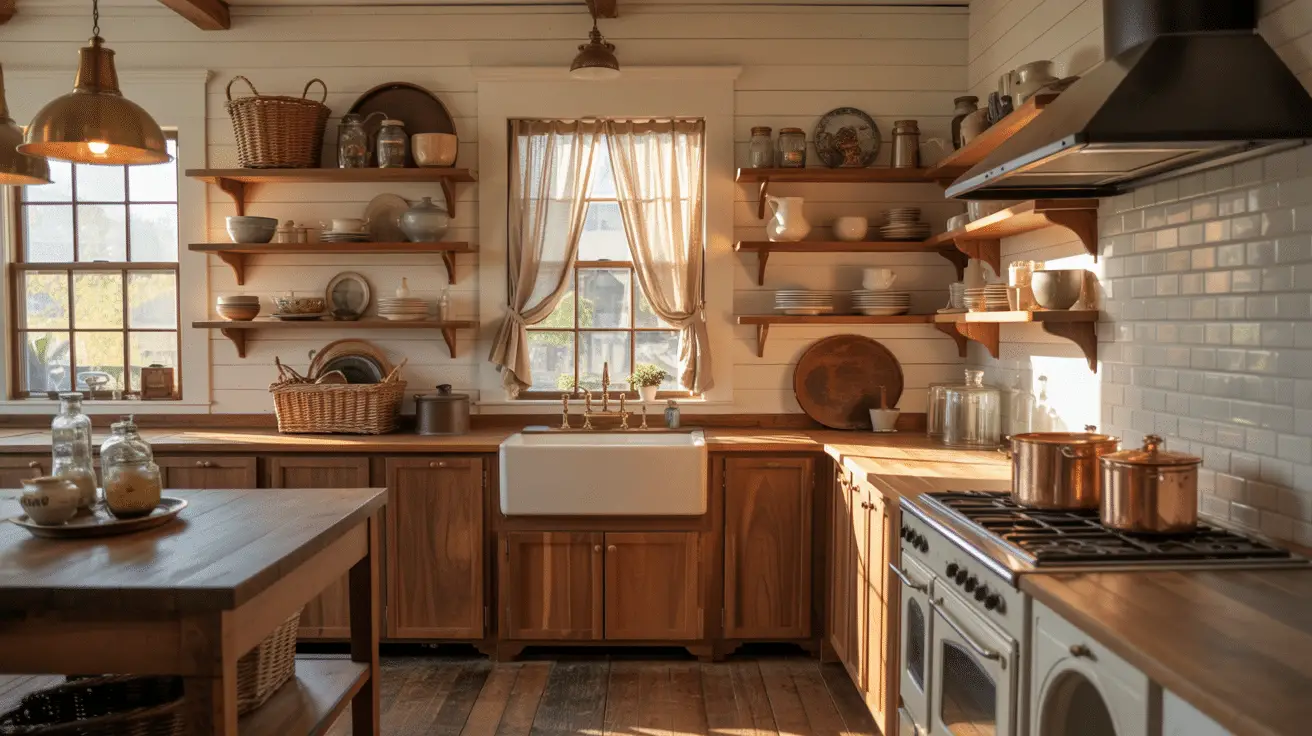
Elegant Farmhouse Wall Colors for Classic Home Design: Timeless Shades That Define Rustic Sophistication
Table of Contents
Introduction
There’s something inherently comforting about the farmhouse aesthetic—a style that blends warmth, simplicity, and timeless charm. While furniture and accents play their roles, the true foundation of this beloved look lies in one key design element: color. Farmhouse wall colors set the tone for the entire home, evoking serenity and understated elegance through their natural, muted palette.
Color psychology studies show that the right hues can dramatically affect the mood of a space. In a farmhouse home, soft neutrals, warm whites, earthy grays, and gentle greens often dominate because they create harmony with wood textures, natural light, and rustic materials. Whether you live in the countryside or a suburban retreat, choosing elegant farmhouse wall colors can instantly transform your home into a haven of relaxed sophistication.
This guide explores timeless paint options and practical design tips to help you achieve a classic farmhouse look. From traditional creams and taupes to modern greige and sage tones, you’ll discover how to pair colors with finishes, materials, and lighting to enhance the cozy yet refined farmhouse atmosphere. By the end, you’ll be equipped to create walls that whisper elegance and welcome warmth in every room.
Understanding the Essence of Farmhouse Color Palettes
To design a truly elegant farmhouse home, start by understanding what defines its color story. Farmhouse interiors draw inspiration from the natural world—weathered wood, linen fabrics, stone surfaces, and vintage metals all contribute to a grounded aesthetic. The wall colors, therefore, act as a soft backdrop, allowing these materials to shine.
The key is balance. Traditional farmhouse palettes lean toward neutral and muted tones that evoke comfort and authenticity. These shades feel timeless because they avoid harsh contrasts or overly saturated colors. Think soft whites, creamy beiges, pale grays, and subtle greens that complement rather than compete with the décor.
Lighting also influences your color selection. North-facing rooms may need warmer hues to offset cool light, while southern exposures can handle cooler neutrals. Always test swatches on different walls and observe how natural and artificial light affect the tone throughout the day.
Farmhouse Color Essentials Table:
| Color Family | Example Shade | Best Room Use | Effect on Space |
| White & Cream | Warm Ivory | Living Room, Kitchen | Expands and brightens |
| Beige & Taupe | Soft Oat | Bedroom, Hallways | Adds warmth and softness |
| Gray | Greige or Warm Gray | Entryway, Office | Creates calm sophistication |
| Green | Sage or Olive | Bathroom, Dining Room | Introduces organic charm |
Warm Whites and Creams: The Timeless Farmhouse Foundation
If there’s one color category that perfectly defines farmhouse elegance, it’s warm whites and creamy neutrals. These shades are the backbone of classic home design, providing a bright yet inviting canvas for all your décor choices. Unlike stark whites, warm tones carry subtle undertones—like yellow, beige, or gray—that soften the look and make spaces feel cozy instead of sterile.
One of the most versatile choices is off-white with a hint of warmth, such as “Alabaster” or “Swiss Coffee.” These hues reflect light beautifully, making them ideal for smaller rooms or homes with limited natural light. Creams and antique whites work well in traditional settings, especially when paired with distressed wood furniture, wrought iron fixtures, or natural linen textiles.
Layering whites can also add depth. You might paint the walls a soft ivory and the trim a crisp white for a subtle contrast. Pairing these tones with textures like brick, wood, and wool prevents the room from feeling too flat.
Warm White Palette Breakdown:
| Shade Name | Undertone | Best Pairings | Design Tip |
| Alabaster White | Soft yellow | Black metal, oak wood | Ideal for modern farmhouse style |
| Creamy Ivory | Beige | Linen fabrics, greenery | Creates warmth in open spaces |
| Cloud White | Neutral | Stone, gold accents | Perfect for hallways and kitchens |
| Antique Cream | Golden | Rustic wood, vintage decor | Classic heritage feel |
Modern Neutrals: Greige, Beige, and Soft Taupe
In recent years, modern neutrals have become a staple in elegant farmhouse interiors. These sophisticated tones—like greige (a mix of gray and beige), soft taupe, and mushroom—bridge the gap between classic warmth and contemporary coolness.
Greige, in particular, is a designer favorite because of its versatility. It adapts seamlessly to changing light conditions, appearing warmer during the day and cooler under artificial lighting. This adaptability makes it perfect for transitional spaces like hallways, entryways, or open-plan living rooms.
Beige and taupe shades are equally enduring. They bring depth without overpowering, especially when layered with white trim and dark accents. In farmhouse design, these hues serve as the quiet backdrop for textural contrasts—woven baskets, reclaimed wood furniture, and linen curtains all pop beautifully against their understated tones.
Modern Neutral Palette Table:
| Shade | Tone | Ideal Pairings | Atmosphere Created |
| Greige | Beige + Gray | Black iron, cream textiles | Balanced and adaptable |
| Soft Taupe | Warm gray-brown | Light oak, stone finishes | Calm and refined |
| Mushroom | Earthy gray | Bronze accents, white trim | Organic sophistication |
| Sand Beige | Pale tan | Blue-gray accessories | Natural and inviting |
Earthy Greens and Sage: Bringing the Outdoors In
Nothing captures the organic soul of farmhouse living quite like green. From soft sage to deep olive, these colors infuse natural serenity and harmony into your home. They complement wood tones, white trim, and woven materials perfectly, making them a popular choice for kitchens, dining rooms, and even bathrooms.
Sage green is a timeless option that feels both classic and modern. It pairs beautifully with brass fixtures, natural wood, or terracotta accents. In spaces with abundant light, olive tones create cozy depth, while paler greens brighten smaller rooms without overwhelming them.
For a sophisticated twist, try muted blue-green shades like eucalyptus or dusty teal. These hues feel fresh but grounded, ideal for homeowners who want to move beyond traditional neutrals while keeping the farmhouse charm intact.
Nature-Inspired Color Guide:
| Green Shade | Undertone | Best Use | Effect |
| Sage | Gray undertone | Kitchens, bedrooms | Calm and classic |
| Olive | Brown undertone | Dining rooms, offices | Earthy and rich |
| Eucalyptus | Blue undertone | Bathrooms, entryways | Refreshing and modern |
| Fern | Yellow undertone | Living areas | Vibrant and sunny |
Classic Blues for Tranquility and Depth
Blue might not be the first color that comes to mind when designing a farmhouse home, but it’s an elegant choice for those seeking depth and tranquility. Dusty blues, navy, and slate shades complement warm wood accents and white trim beautifully, offering a sophisticated balance between rustic and refined.
In bedrooms, soft blue walls create a restful environment reminiscent of open skies and calm seas. Paired with white shiplap or linen bedding, the look feels effortlessly timeless. For more formal rooms, navy or midnight blue adds drama and luxury, especially when paired with brass lighting or dark-stained furniture.
The secret to incorporating blue in a farmhouse home is tone. Stick to muted or dusty variations rather than vibrant ones. These subdued hues harmonize better with earthy materials and vintage details, maintaining that understated elegance central to farmhouse design.
Blue Palette Table:
| Shade | Tone | Best Pairings | Room Type |
| Dusty Blue | Muted | White trim, wicker | Bedroom or bathroom |
| Slate Blue | Cool gray-blue | Brass accents, stone | Office or dining area |
| Navy | Deep and rich | Cream trim, dark wood | Living room |
| Powder Blue | Light and airy | Beige and white | Small spaces |
Accent Walls and Color Pairing Strategies
While farmhouse design embraces simplicity, that doesn’t mean you can’t experiment with color accents. A feature wall painted in a deeper tone adds dimension and focus to a room without overwhelming it. For instance, pairing creamy white walls with a soft sage or navy accent wall creates contrast while maintaining harmony.
You can also use architectural details—like wainscoting, shiplap, or board and batten—to introduce subtle color differences. Painting trim in a slightly darker or lighter hue than the walls adds refinement and depth.
Pairing colors effectively is about creating visual balance. Combine warm and cool tones carefully—like greige with dusty blue or ivory with soft olive—for a dynamic yet unified look. The farmhouse palette thrives on muted contrasts rather than sharp ones, keeping the atmosphere calm and cohesive.
Color Pairing Guide:
| Primary Color | Accent Color | Material Pairing | Resulting Mood |
| Cream White | Sage Green | Woven textures | Fresh and organic |
| Greige | Navy Blue | Brass and linen | Classic elegance |
| Warm Taupe | Olive Green | Wood and stone | Natural balance |
| Dusty Blue | Soft Beige | White trim | Relaxed sophistication |
Finishing Touches: Trim, Ceilings, and Texture
Wall color alone doesn’t define a farmhouse home—the finishes around it complete the story. Trim, ceilings, and texture choices elevate your color palette, adding polish and visual harmony.
For trims, white or light neutrals are timeless. They frame walls elegantly and highlight architectural details like windows, baseboards, and crown molding. If you prefer subtle contrast, use an off-white or pale gray that complements your main wall color.
Ceilings offer a chance to enhance warmth. A creamy tint or faint beige softens starkness while maintaining brightness. For true farmhouse charm, incorporate shiplap or exposed beams—these elements introduce depth and texture that paint alone can’t achieve.
Texture is equally important. Matte or eggshell finishes suit farmhouse interiors best because they diffuse light and create a soft, velvety appearance. Avoid overly glossy paints, as they can detract from the rustic authenticity of the design.
Finish and Texture Table:
| Element | Recommended Treatment | Visual Effect |
| Trim | Warm white or pale gray | Crisp definition |
| Ceiling | Soft cream or beige | Adds warmth |
| Paint Finish | Matte or eggshell | Timeless elegance |
| Texture | Shiplap, brick, wood | Depth and character |
Conclusion
Choosing elegant farmhouse wall colors is about more than aesthetics—it’s about creating a home that feels timeless, warm, and lived in. The right palette brings together natural textures, classic design elements, and modern comfort, turning your walls into the perfect backdrop for family life and lasting memories.
Whether you prefer the purity of warm whites, the balance of greige, or the serenity of sage and dusty blue, each color has the power to transform your home into a sanctuary of calm sophistication. True farmhouse elegance lies in restraint, harmony, and the beauty of simplicity—proof that the softest shades often make the strongest impression.