
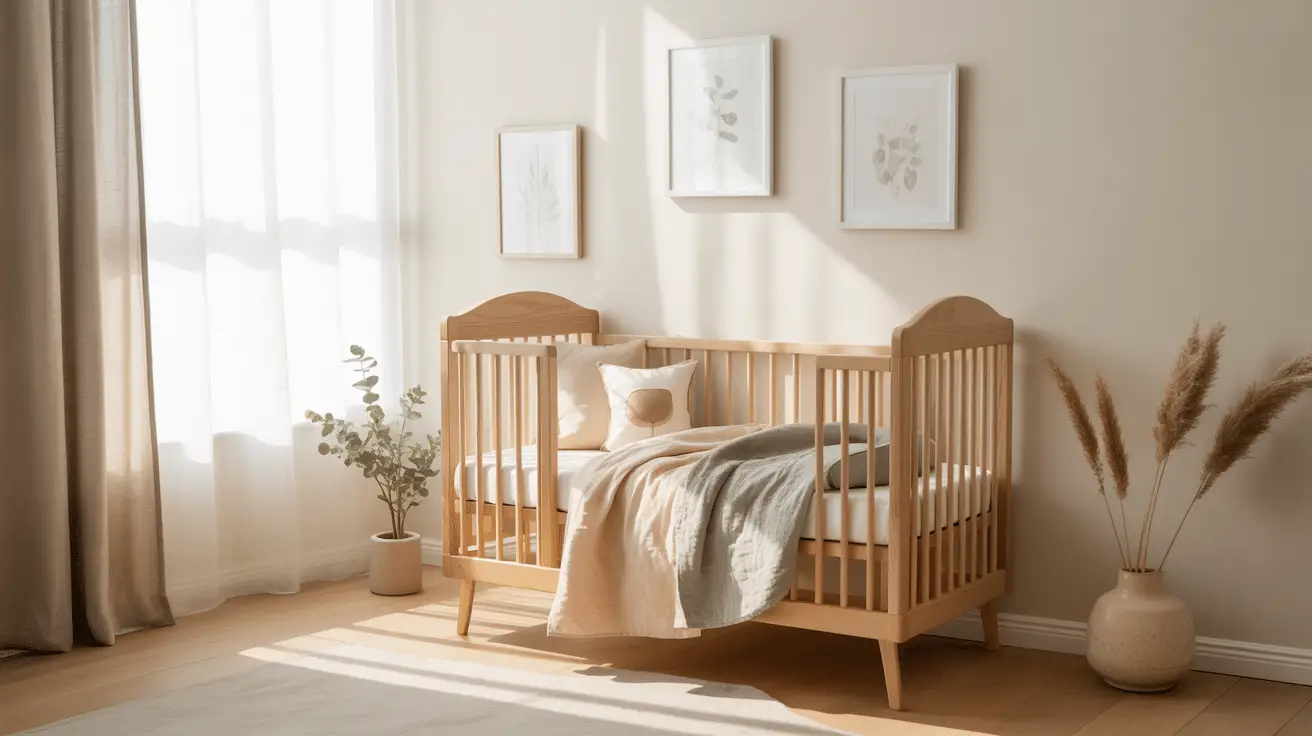
Minimal Floral Nursery Design With Natural Touches: A Soft, Serene Space for Baby
Table of Contents
Introduction
There is something undeniably magical about preparing a nursery. It’s a moment where imagination meets intention, and where tiny design choices help shape the atmosphere your baby will experience every day. As trends shift toward calm, clutter-free environments, minimal floral nursery design has become a favorite among new parents. The combination of soft botanical elements and natural materials creates a peaceful space that feels both timeless and modern. In fact, design surveys show that more than 60% of parents now prefer natural, muted palettes and simplified décor over bold, themed nurseries.
This design style matters because the nursery isn’t just a room—it’s a sanctuary. It’s the place where early memories are formed, where routines are established, and where comfort becomes part of the daily rhythm. A floral approach adds gentle beauty without overwhelming the senses, while minimalist principles keep the room functional, breathable, and soothing. Blending these with natural touches such as wood, woven textures, and earthy colors helps create a nurturing environment grounded in warmth.
In this guide, you’ll explore a range of ideas to bring a minimal floral nursery to life—through color palettes, textiles, furniture choices, botanical accents, and smart layout strategies. Whether your space is small or generously sized, you’ll find inspiration to create a nursery that feels harmonious, organic, and perfectly tailored for your baby’s arrival.
Choosing a Soft, Minimal Floral Color Palette
The foundation of a minimal floral nursery begins with the color palette. Soft hues inspired by nature—think muted blushes, warm creams, sage greens, and dusty peach—offer a gentle backdrop that complements floral motifs without creating visual clutter. The goal is to allow subtle floral elements to shine without overwhelming the room, which is why the base colors should lean toward neutrals or barely-there pastels.
These palettes create a calming effect not only for the baby but also for the caregiver. Muted tones can reduce overstimulation and contribute to a soothing atmosphere during feedings, naps, and early morning routines. When selecting paint or wallpaper, consider finishes that reflect light softly rather than starkly. Matte finishes or lime-wash textures, for example, add depth while maintaining a minimalist feel.
Accent colors should remain grounded in nature. Incorporating gentle greens or warm earthy browns ensures harmony. These hues can appear in artwork, textiles, small-scale florals, or nursery accessories. The beauty of this approach is versatility—neutral-based palettes adapt well as your child grows and allow for easy updates later.
Color Palette Breakdown
| Color Family | Mood Created | Best Use in Nursery |
| Soft Neutrals | Calm, clean, minimal | Walls, large furniture |
| Muted Pinks/Blush | Warm, gentle, sweet | Bedding, florals, artwork |
| Sage or Olive Green | Natural, grounding | Accent wall, plants, textiles |
| Earthy Browns | Cozy, organic | Wood tones, rugs, woven décor |
Incorporating Natural Materials for Warmth and Texture
Natural touches are essential in creating a nursery that feels grounded and harmonious. Materials like wood, rattan, linen, and cotton bring warmth and texture, balancing the softness of floral patterns with the authenticity of nature. This blend helps avoid the overly pristine look that sometimes accompanies minimalism and instead introduces organic richness.
Wood plays a major role in shaping the room’s overall tone. A natural wood crib, dresser, or shelving unit adds instant character and echoes the earthy undertones of floral-inspired décor. Lighter woods such as oak or beech offer an airy, Scandinavian feel, while richer woods add depth and contrast. Complementing these with woven baskets and rattan décor can enhance softness while maintaining visual cohesion.
Textiles crafted from natural fibers add comfort and breathability. Linen curtains, cotton swaddles, or wool-blend rugs contribute tactile interest and ensure the space feels cozy rather than sparse. When selecting these elements, opt for soft, neutral shades or understated florals to preserve the minimalist aesthetic.
Plants—or plant-inspired décor—introduce another layer of natural beauty. While real plants should be placed out of reach, botanical prints or faux greenery can reinforce the floral theme subtly without crowding the room. These natural components transform the nursery into a soothing retreat that echoes the tranquility found outdoors.
Natural Material Guide
| Material | Role in Nursery | Benefits |
| Wood | Furniture foundation | Warmth, durability, timeless style |
| Rattan | Accents + storage | Soft texture, lightweight design |
| Linen | Curtains + bedding | Breathability, soft aesthetic |
| Cotton | Everyday textiles | Easy care, gentle on baby’s skin |
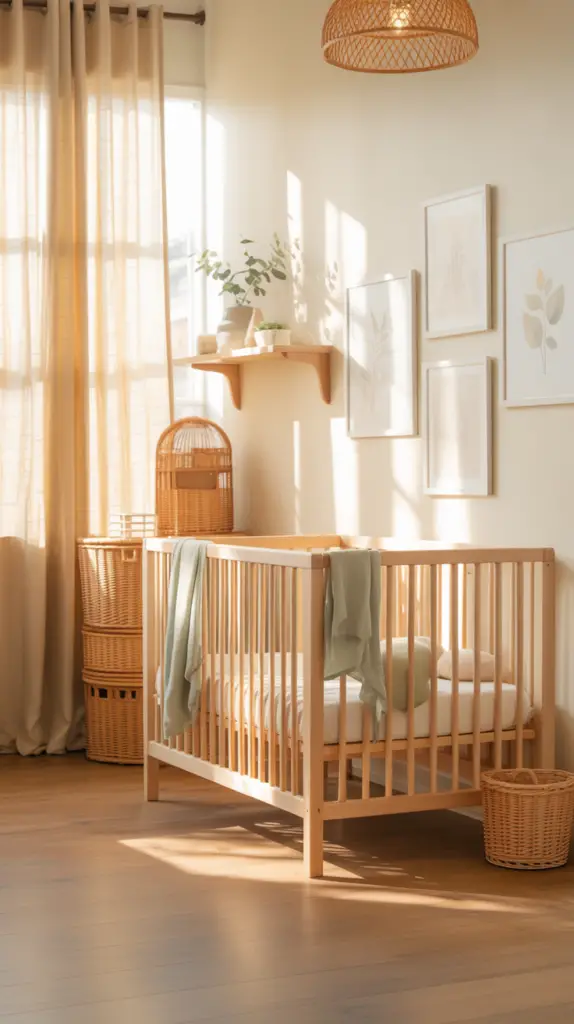
Floral Wall Art and Wallpaper That Remain Soft and Minimal
Wall décor is often where the floral theme comes to life, yet maintaining minimalism requires intentionality. Instead of bold, large-scale botanical murals, choose designs with soft lines, fine detailing, and muted tones. These create a whisper of nature rather than a commanding visual statement. Delicate sprigs, hand-drawn florals, or watercolor motifs blend beautifully into a serene nursery environment.
Wallpaper is a stunning option when used thoughtfully. One accent wall—behind the crib or reading nook—can anchor the room without overwhelming it. Light pastel backgrounds with subtle vine or blossom illustrations are ideal choices. Alternatively, removable wallpaper ensures flexibility if your design preferences evolve over time.
If you prefer wall art, consider framed botanical prints in simple wooden frames. A curated set of two or three pieces arranged symmetrically enhances the minimalist approach. Spacing is essential; allowing for empty space around artwork ensures the room feels open and uncluttered.
For a more organic look, pressed flowers or botanical sketches add a personal touch that feels handcrafted and unique. These small details contribute to the theme without relying on high-saturation floral patterns.
Floral Wall Décor Options
| Décor Type | Look & Feel | Best Placement |
| Watercolor Wallpaper | Soft, artistic, dreamy | Accent wall behind crib |
| Botanical Prints | Minimal, natural | Above dresser or reading nook |
| Pressed Flowers | Organic, delicate | Small gallery arrangement |
| Hand-Drawn Sketches | Vintage, refined | Entry wall or above bookshelf |
Minimal Furniture Choices That Support Calm, Functional Flow
Furniture selection plays a crucial role in shaping the room’s flow and maintaining the minimal floral aesthetic. Every piece should serve a clear purpose while contributing to the room’s harmonious style. Start with the essentials: a crib, dresser-changer combo, glider or feeding chair, and storage solutions. Choosing pieces with smooth lines, soft curves, and natural finishes ensures that the floral elements feel balanced rather than competing with heavy furniture.
A natural wood crib often becomes the central feature, providing both warmth and simplicity. Pairing this with a dresser in the same tone creates continuity throughout the space. To avoid visual heaviness, opt for furniture with raised legs, which keeps the room feeling open and airy. A compact glider upholstered in a neutral fabric supports the serene theme and provides comfort during late-night feedings.
Organization is important for maintaining the minimalist look. Open shelving with woven baskets, or a small wardrobe with concealed compartments, keeps essentials tidy while adding texture. Avoid overfilling the room; negative space is essential to the calming effect minimalist design offers.
Thoughtfully selected furniture not only enhances beauty but also supports everyday routines. Each piece should invite comfort, ease, and fluid movement, making caregiving simpler while sustaining a peaceful atmosphere.
Furniture Selection Overview
| Furniture Piece | Purpose | Why It Supports Minimal Design |
| Natural Wood Crib | Safe sleep space | Warmth, simple lines |
| Dresser/Changer Combo | Storage + diapering | Reduces need for multiple furniture items |
| Neutral Glider | Feeding + soothing | Calm tones, soft textures |
| Shelving with Baskets | Organization | Functional yet visually light |
Layering Textures and Florals Through Soft Furnishings
Soft furnishings are the perfect place to introduce floral patterns without overwhelming the minimalist tone. Bedding, blankets, rugs, and cushions provide opportunities to layer patterns gently. Opt for fine, small-scale florals or tonal botanical motifs that echo nature without becoming distracting. These subtle elements elevate the room’s sense of comfort and infuse warmth into the overall design.
Texture also plays an important role. Mixing materials like quilted cotton, gauzy muslin, woven wool, and ribbed knit fabrics creates visual depth. This richness supports the floral theme by mimicking the softness and variability found in nature. A neutral area rug with a minimal botanical border or soft tufting enhances the serene ambiance while providing comfort underfoot.
Window treatments in light, airy fabrics contribute to the dreamlike quality of a minimal floral nursery. Linen or gauze curtains filter sunlight softly, producing a natural glow that complements botanical décor. For bedding, consider muslin swaddles featuring delicate leaf or blossom patterns to reinforce the theme in an understated way.
These furnishings help tie the room together, making the space feel complete. They offer warmth, style, and sensory comfort that enrich both the aesthetic and the daily experience of caring for a new baby.
Soft Furnishings Guide
| Item | Floral/Texture Role | Effect on Space |
| Area Rug | Gentle botanical accents | Adds warmth + grounding |
| Linen Curtains | Airy natural texture | Creates soft, filtered light |
| Floral Bedding | Subtle pattern introduction | Enhances theme without clutter |
| Knit Blankets | Cozy tactile layer | Adds comfort and visual balance |
Adding Botanical Accents and Nature-Inspired Décor
Botanical accents bring the minimal floral nursery theme to life in a way that feels gentle and intentional. Instead of overwhelming the room with bold greenery or busy arrangements, choose small, subtle pieces that complement the minimalist palette. A simple vase of dried flowers, a preserved eucalyptus branch, or a muted botanical mobile adds softness without visual noise.
Décor made from natural materials continues the organic feel. Wooden garlands, clay vases, woven wall hangings, and hand-carved accessories enhance texture while keeping the environment free of unnecessary clutter. These pieces work particularly well when styled on floating shelves or placed in strategic corners of the room.
Lighting also plays a vital role. Warm-toned lamps with linen shades cast a soft glow that highlights floral and botanical elements. A nightlight shaped like a flower or leaf offers a playful nod to the theme while remaining understated.
Even small details, such as floral-patterned crib sheets or nature-themed storybooks displayed on picture ledges, can help reinforce the theme subtly and beautifully. These touches create a sense of harmony, welcoming both parent and baby into a space where nature feels present yet calming.
Botanical Décor Breakdown
| Décor Element | Style Impact | Ideal Placement |
| Dried Florals | Soft, organic aesthetic | Shelves, dresser top |
| Wooden Garlands | Natural + playful | Above crib or reading nook |
| Botanical Mobile | Minimal + dreamy | Above changing area or glider |
| Clay or Woven Accents | Earthy and textured | Display shelves, corner décor |
Creating Functional Zones While Keeping the Space Minimal
Designing functional zones ensures the nursery is both beautiful and practical. A minimal floral nursery thrives when areas for sleeping, feeding, changing, and storage are clearly defined but visually seamless. The goal is to preserve flow and openness without compromising usability.
Place the crib on the room’s calmest wall, ideally away from windows and direct airflow. This allows the floral theme to radiate gently from surrounding décor elements while keeping the sleep zone serene. A designated feeding nook with a glider, side table, and soft lighting provides a cozy space for bonding moments. Keeping décor in this area simple ensures it remains soothing during late-night sessions.
The changing area should be close to storage for diapers, wipes, and clothes. A dresser with organized drawers keeps supplies hidden, preserving the minimalist appearance. Floating shelves above the changer can hold décor or frequently used items, but should not feel overcrowded.
Finally, storage zones must integrate seamlessly into the room. Built-in units or low-profile shelves prevent clutter, allowing the floral and natural features to remain the focal point.
Functional Zone Layout
| Zone | Key Features | Why It Works |
| Sleep Area | Crib + soft florals | Creates restful visual focus |
| Feeding Nook | Glider + warm lighting | Supports nightly routines |
| Changing Station | Organized dresser + shelves | Keeps essentials tidy + accessible |
| Storage Zone | Baskets + built-ins | Maintains minimalism |
Conclusion
A minimal floral nursery with natural touches offers a beautiful blend of serenity, softness, and timeless style. By thoughtfully selecting color palettes, natural materials, gentle botanical décor, and functional furniture, you create a nurturing environment that supports both beauty and practicality. The balance of minimalism and florals brings calm to the space, allowing your baby’s room to feel light, breathable, and connected to nature. As your child grows, this design remains adaptable and enduring, offering a foundation of comfort and quiet elegance for years to come.