
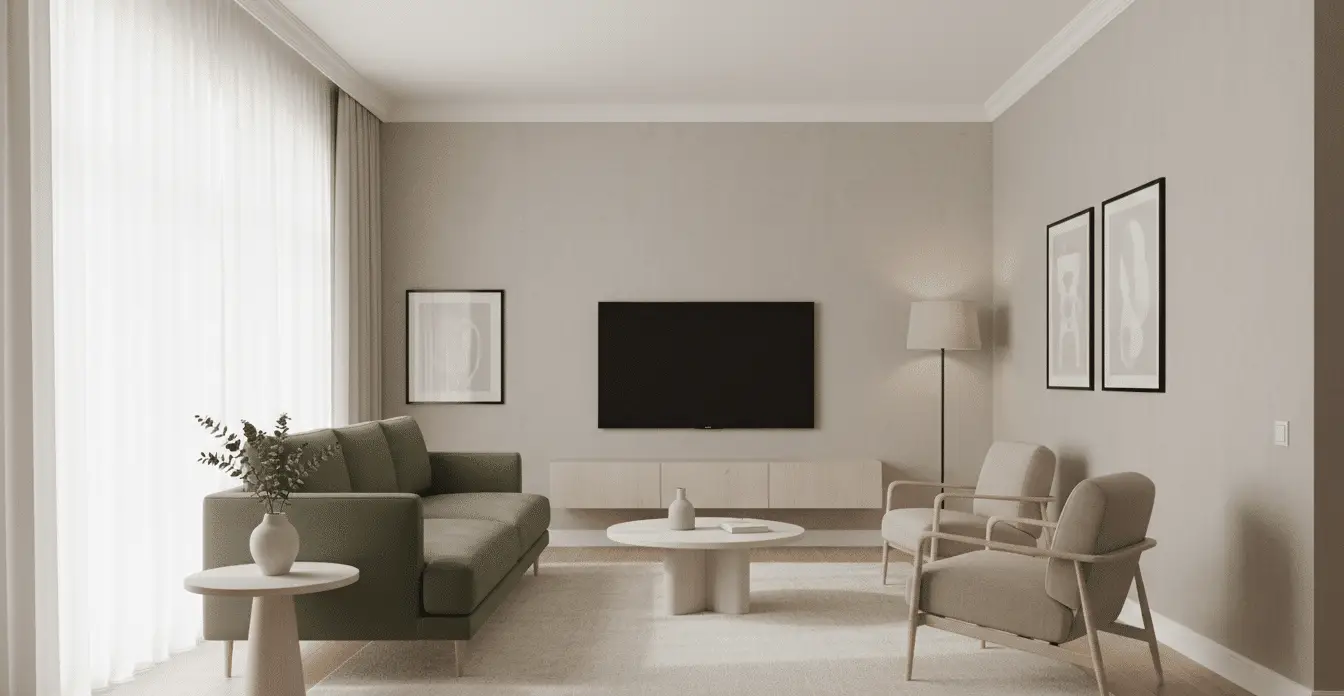
Modern Green Couch Styling for Small Spaces: Elegant Ideas to Transform Compact Living Areas
Table of Contents
Introduction
There’s a reason the modern green couch has become one of the most influential furniture trends in small-space design. Green—especially tones like olive, sage, and deep emerald—is praised for its ability to feel both bold and grounding, making it a surprisingly versatile anchor in compact living areas. But styling such a statement piece becomes more challenging when square footage is limited, and every choice affects the visual balance of the room.
Small spaces require thoughtful layering, strategic color decisions, and smart furniture placement to avoid a cramped or overly busy environment. A green couch, however, offers unique opportunities: it brings natural vibrancy, enhances a sense of calm, and easily complements modern, Scandinavian, bohemian, or minimalist aesthetics. With the right approach, this single piece of furniture can elevate the entire room without overwhelming it.
In this article, we’ll explore practical styling strategies, from choosing the right complementary colors to arranging layouts that maximize flow. You’ll discover how to accessorize, how to incorporate texture for visual depth, and how to make your modern green couch the defining feature of a beautifully curated small space.
Designing a Small-Space Layout Around Your Green Couch
A modern green couch can instantly become the focal point of a small living area, but placement is crucial to maintaining openness. Instead of centering your design around traditional layouts, consider flow first. In tight spaces, furniture should support easy movement and allow the room to breathe visually. A green couch works especially well when positioned to create intentional zones rather than obstructing sightlines.
Start by evaluating the room’s natural lighting. Green upholstery tends to thrive near windows, where sunlight brings out subtle tones that add dimensionality. Floating the couch slightly off the wall can also make the room feel larger, creating an illusion of spaciousness. Additionally, pairing the couch with lightweight or open-frame side tables provides functionality without adding visual bulk.
The supporting furniture you choose matters just as much as placement. A slim-profile coffee table, nesting tables, or a narrow console can prevent the space from feeling cluttered while still providing the surfaces you need for everyday living. The goal is to build a layout that supports function while allowing the green couch to remain the central style element.
Layout Comparison Table
| Layout Style | Best For | Why It Works |
| Floating Couch Arrangement | Studio apartments | Creates a natural divide without blocking flow |
| Wall-Aligned Setup | Very narrow rooms | Maximizes space and keeps traffic pathways open |
| Corner Placement | Multi-functional rooms | Saves floor area and anchors the space visually |
| Diagonal Orientation | Square rooms | Adds depth and breaks up rigid lines |
Choosing the Right Color Palette to Complement a Green Couch
Color pairing is one of the most powerful tools for enhancing the impact of a green couch in a small room. Green is naturally associated with calm, renewal, and balance, making it ideal for small spaces that benefit from a soothing, harmonious environment. The key is selecting a palette that amplifies these qualities while maintaining visual cohesion.
Neutral tones like cream, taupe, soft gray, and off-white work beautifully with green because they create a backdrop that doesn’t compete for attention. This becomes especially important in compact spaces where too many saturated colors can quickly feel overwhelming. Muted neutrals act as a canvas, allowing the green couch to shine while keeping the atmosphere serene and uncluttered.
For those who enjoy a bit more personality, accents in brass, matte black, blush, mustard, or terracotta can add depth and warmth without crowding the room. These touches create contrast that highlights the richness of green upholstery. The idea is not to overwhelm the palette but to introduce subtle moments of visual interest that enhance the overall design.
Color Palette Breakdown
| Color Category | Suggested Shades | How It Enhances Green |
| Soft Neutrals | Cream, ivory, warm gray | Adds lightness and expands visual space |
| Natural Tones | Sand, beige, driftwood | Complements green for organic, calm aesthetics |
| Accent Colors | Terracotta, blush, brass | Introduces contrast while maintaining cohesion |
| Deep Tones | Charcoal, navy, espresso | Adds elegance and grounding elements |
Textures and Materials That Elevate a Green Couch in a Small Room
When styling small spaces, texture becomes a secret weapon. A room that is too visually flat can feel cramped, whereas layering complementary textures introduces depth without adding clutter. A modern green couch already brings a strong visual presence, so your supporting materials should enhance rather than compete with it.
If your couch is velvet or microfiber, pairing it with natural materials like rattan, stone, jute, and linen helps soften its appearance and create an inviting blend of modern and organic. Conversely, if your couch has a linen or cotton finish, adding touches of brass, glass, or polished wood introduces a refined contrast that elevates the overall aesthetic. These thoughtful textural combinations make even the smallest room feel curated and sophisticated.
Textiles also play an essential role. Lightweight curtains elongate windows, textured throw blankets add warmth, and patterned rugs anchor the seating area. Each piece should relate back to the couch, either by contrasting subtly or reinforcing the palette. The key is to create harmony between softness and structure.
Texture Guide
| Material Type | Ideal Use | Effect on the Space |
| Natural Fibers | Rugs, poufs, baskets | Adds warmth and organic softness |
| Metals | Lamps, frames, accent tables | Provides sophistication and modern contrast |
| Plush Textiles | Pillows, throws | Adds coziness without visual heaviness |
| Polished Woods | Furniture legs, shelving | Maintains a balanced, timeless aesthetic |
Making a Green Couch the Focal Point of a Small-Space Design
A green couch naturally draws attention, but turning it into a purposeful focal point requires thoughtful styling. Rather than letting it dominate the room visually, the goal is to frame it with supporting elements that make the space feel intentional and cohesive. Achieving this in a small room involves balancing scale, negative space, and visual hierarchy.
Start by creating a backdrop that enhances the couch’s presence. This could be a neutral wall color, a subtle textured wallpaper, or even a large-scale artwork that ties together the room’s palette. While the couch remains the star, these visual layers help integrate it seamlessly into the overall design without making it feel overpowering.
Lighting plays a major role here as well. A floor lamp positioned near the arm of the couch adds gentle illumination and draws the eye toward that side of the room, softening edges and creating dimension. Strategic lighting can make the couch feel intentionally spotlighted in an elegant, understated way.
Your décor choices should support rather than overshadow. A few well-chosen pieces—such as a ceramic vase, a sculptural bowl, or a slender side table—frame the couch beautifully. Each object adds sophistication without contributing clutter, reinforcing the green couch as the central stylistic feature.
Focal Point Styling Overview
| Focus Area | Strategy | Benefit |
| Backdrop | Light paint, subtle murals, tonal gallery wall | Frames couch without overwhelming |
| Accent Lighting | Floor lamp, directional sconce | Highlights texture and shape |
| Minimalist Décor | Selective accessories | Keeps attention on the couch |
| Scale Consideration | Slim furniture nearby | Creates balance and expands visual flow |
Smart Storage and Décor Solutions That Work Seamlessly With a Green Couch
Small spaces demand efficient storage, but functionality doesn’t have to compromise style. Pairing smart storage solutions with a modern green couch allows the room to remain visually open while supporting day-to-day needs. Built-in shelving, slim vertical units, and under-couch storage boxes work particularly well when matched with the aesthetic of the room.
A green couch provides a strong visual anchor, so surrounding storage should remain understated. Consider shelving in warm woods or matte finishes that blend into the wall instead of standing out too boldly. This maintains visual calm and prevents the space from feeling crowded. Minimalist storage baskets, fabric bins, or hidden compartments allow you to keep clutter out of sight while preserving the room’s elegance.
Incorporating décor into your storage strategy also enhances the space. A styled shelf with plants, curated books, and ceramic pieces adds charm without overwhelming the room. The key is avoiding excess; every decorative piece should feel intentional and tied to the color palette.
Storage and Décor Table
| Storage Type | Best Features | How It Complements a Green Couch |
| Vertical Shelving | Slim, space-saving | Draws eyes upward, elongating room |
| Hidden Storage | Under-sofa bins, ottomans | Keeps clutter invisible |
| Wall-Mounted Units | Floating shelves | Maintains floor space openness |
| Styled Décor | Plants, ceramics, curated books | Enhances couch’s natural tones |
Layering Lighting to Elevate the Look of a Green Couch in Compact Areas
Lighting is often underestimated in small spaces, yet it has the power to transform the way a green couch appears within the room. A well-layered lighting design consists of three elements: ambient, task, and accent lighting. Each layer serves a different purpose, and together they highlight the couch while improving the overall functionality of the room.
Ambient lighting creates the foundational illumination—soft, diffused, and warm. It prevents shadows from making the room feel confined. Task lighting, such as a reading lamp near the couch, adds practical brightness exactly where you need it. Accent lighting then becomes the artistic layer, drawing focus to architectural features or the contours of the couch itself.
Green upholstery responds beautifully to light, often appearing deeper and richer in warm tones and crisp and modern in cooler ones. By adjusting your bulbs and fixture placements, you can shift the mood of the entire space. Adjustable LED bulbs or dimmable fixtures give you full control over ambiance, ensuring the couch always looks intentional and inviting.
Lighting Breakdown
| Lighting Type | Purpose | Effect on Small Spaces |
| Ambient | Overall illumination | Eliminates shadows, enlarges room |
| Task | Functional focus | Enhances usability |
| Accent | Creative highlighting | Draws attention to couch and décor |
| Adjustable Lighting | Mood control | Adapts to day/night styling needs |
Conclusion
A modern green couch is one of the most versatile and transformative furniture choices for small spaces. When styled thoughtfully, it becomes a centerpiece that brings personality, balance, and sophistication without overwhelming the room. Through strategic layout planning, harmonious color palettes, layered textures, minimal yet intentional décor, and well-designed lighting, even the smallest living areas can feel curated and inviting. By blending aesthetics with smart functionality, your green couch becomes more than a piece of furniture—it becomes the heart of a beautifully arranged small-space design.