
Moody Living Room Ideas That Transform Any Space into a Cozy, Stylish Retreat
Table of Contents
Introduction
Imagine walking into a living room that instantly wraps you in warmth—a space where deep hues, layered textures, and gentle lighting make you want to stay awhile. In today’s fast-paced world, we crave homes that feel like sanctuaries, places that offer comfort and calm. Moody living rooms embody that sense of refuge beautifully.
A moody interior isn’t just about dark paint colors; it’s about creating emotional depth through contrast, texture, and intentional design. When done right, these spaces evoke coziness, sophistication, and personality all at once. They can make even the smallest room feel luxurious, intimate, and grounded.
In this article, we’ll explore the art of designing a moody living room—from choosing the perfect color palette to layering lighting, textures, and decor that infuse warmth and balance. You’ll find practical guidance, examples, and visual inspiration to help you turn your living room into a cozy retreat that feels both timeless and personal. Whether you’re renovating, redecorating, or simply refreshing your space, these ideas will help you craft a moody aesthetic that truly feels like home.
Embrace Deep, Sophisticated Color Palettes
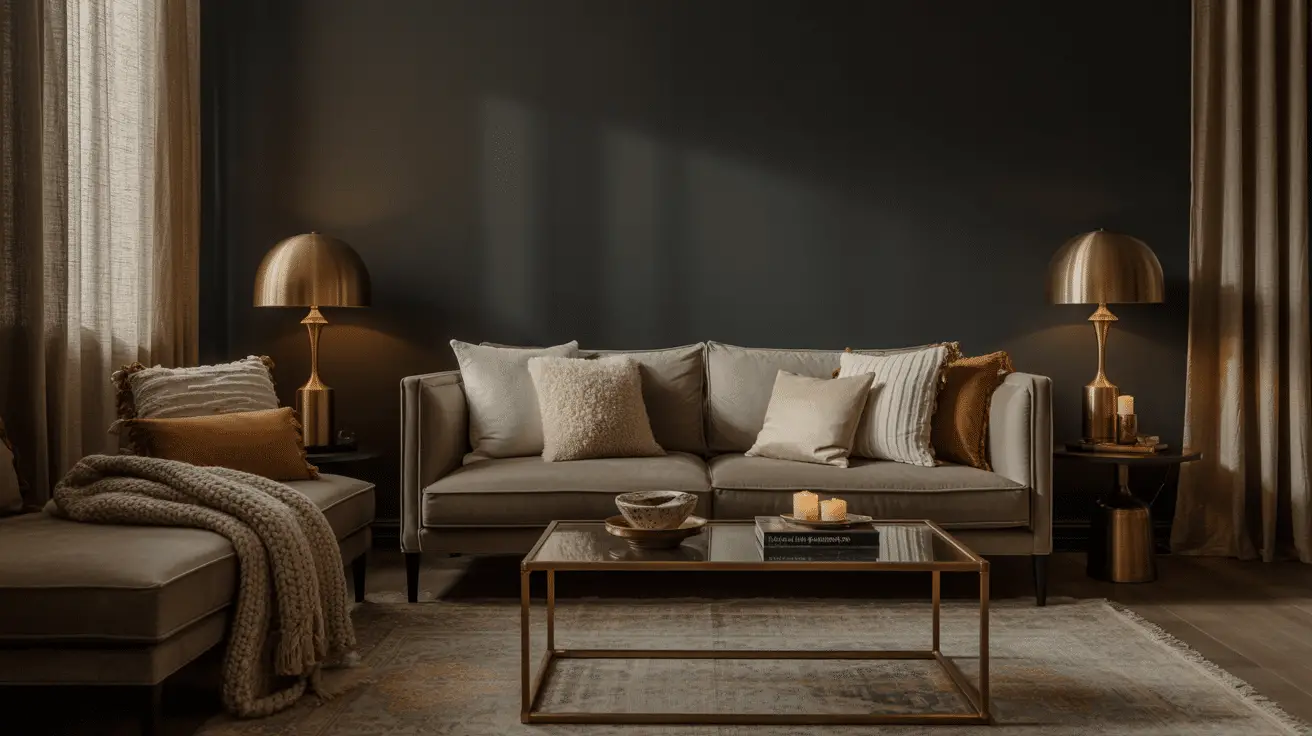
Moody living rooms start with color—the heart and soul of ambiance. Deep tones like charcoal, navy, forest green, and espresso create visual weight that instantly grounds a space. These hues envelop you, creating an intimate cocoon-like feeling. Pair them with muted neutrals such as taupe, stone, or warm gray to balance drama with softness.
One strategy is to use a monochromatic scheme: choose one base color and vary its intensity across walls, furniture, and accessories. Alternatively, contrast dark walls with lighter furnishings to keep the room open and inviting. Matte finishes enhance depth, while gloss or metallic accents introduce subtle light play.
Complementary tones like brass, walnut, and soft cream add warmth without breaking the mood. The key lies in layering—different shades and finishes build richness that feels intentional and lived-in.
Color Mood Table
| Mood | Primary Color | Complement | Finish | Effect |
| Cozy & Intimate | Deep Charcoal | Warm Taupe | Matte | Calm depth |
| Modern Drama | Navy Blue | Brass | Satin | Bold yet inviting |
| Natural Warmth | Forest Green | Walnut Brown | Eggshell | Earthy and organic |
Layer Lighting for Warmth and Depth
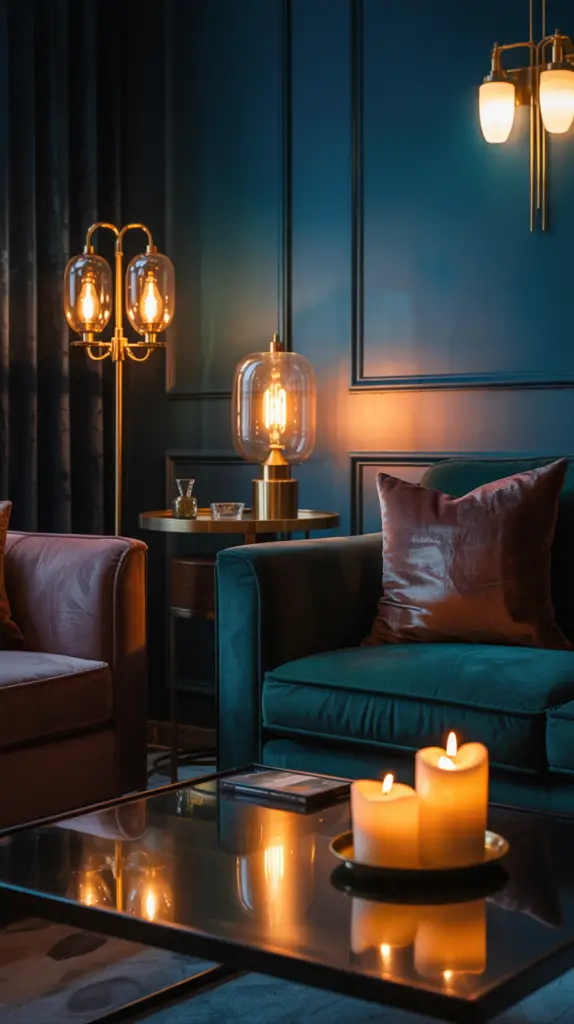
Lighting transforms the tone of a moody living room. Instead of relying on one overhead fixture, aim for layers of light—ambient, task, and accent. Think table lamps with linen shades, wall sconces, and dimmable bulbs that create soft, enveloping illumination.
Start by reducing harsh overhead lighting and opting for fixtures that cast gentle shadows. Warm white or amber-toned bulbs complement darker palettes, preventing the room from feeling cold or cave-like. Candles or small lanterns also introduce flickering warmth and intimacy.
Consider where light meets texture—bouncing off a velvet sofa or a matte-painted wall can amplify the moody atmosphere. In modern spaces, use hidden LED strips behind shelving or under furniture to add a subtle glow without overpowering the room.
Lighting Strategy Breakdown
| Lighting Type | Placement | Purpose | Recommended Tone |
| Ambient | Ceiling/Wall | Base illumination | Warm white |
| Task | Table/Floor lamps | Focused areas | Soft neutral |
| Accent | Shelves/Art lights | Highlight features | Amber glow |
Add Texture and Layered Fabrics for Comfort
Texture brings moody interiors to life. It softens the edges of darker hues and adds dimension to what could otherwise feel heavy. Think plush velvet sofas, wool throws, linen drapes, and woven rugs underfoot. When you mix materials, your living room feels both visually rich and physically inviting.
Combine soft and rough textures—smooth marble against distressed wood, or metal fixtures paired with wool cushions. This contrast keeps the eye engaged and the mood grounded. In small living rooms, use lighter fabrics to balance darker walls, creating an inviting contrast that prevents the room from feeling too dense.
Introduce organic elements like jute, rattan, or stone for a touch of nature. They harmonize beautifully with deep colors and evoke calm, tactile comfort.
Texture Combination Guide
| Material | Complementary Pair | Effect | Best Placement |
| Velvet | Linen | Luxurious softness | Sofa, cushions |
| Wood | Stone | Rustic warmth | Furniture, accent wall |
| Wool | Metal | Balanced contrast | Rugs, decor accents |
Use Contrast to Balance Light and Shadow
A moody room thrives on contrast. It’s not just about darkness—it’s about how shadows and highlights interplay to create visual intrigue. Pair dark walls with pale artwork, or place a cream-colored sofa against a midnight-blue backdrop. These juxtapositions make the space dynamic and balanced.
Consider reflective surfaces like mirrors, glass coffee tables, or metallic finishes. They break up deep tones and introduce glimmers of light that keep the room from feeling flat. Even a single bright vase or cushion can punctuate the mood perfectly.
Contrast can also be achieved through form—sleek modern furniture against a traditional architectural backdrop, or rough brick next to smooth plaster. Each pairing tells a story and adds emotional nuance to your retreat.
Contrast Ideas Table
| Contrast Type | Example | Visual Impact |
| Light vs Dark | White artwork on dark wall | Drama and focus |
| Matte vs Gloss | Velvet sofa, lacquered table | Depth and movement |
| Soft vs Hard | Wool rug under metal table | Balanced comfort |
Incorporate Natural Elements for Warmth
Nature is the perfect counterpart to a moody palette. Incorporating plants, wood, and stone brings life and grounding energy into the space. Even the darkest room feels alive when balanced with organic textures.
Opt for wooden furniture with visible grain, clay vases, or stone sculptures to introduce tactile authenticity. Houseplants like fiddle-leaf figs, olive trees, or ferns soften the edges and introduce fresh energy.
If you prefer a more minimal approach, use dried botanicals, pampas grass, or branches in ceramic pots. They preserve the moody tone while adding sculptural elegance.
Natural Elements Reference Table
| Element | Function | Suggested Use |
| Wood | Adds warmth | Shelving, tables |
| Plants | Brings life | Corners, windowsills |
| Stone | Adds texture | Fireplace surround, decor |
Curate Art and Accessories that Reflect Emotion
Art completes a moody living room by adding personality and storytelling. Choose pieces with depth—abstract paintings, monochrome photography, or moody landscapes. Their tones should harmonize with your palette rather than compete for attention.
Display art in groups of three or along asymmetrical walls for a lived-in yet curated feel. Don’t overlook frames; black, bronze, or aged gold frames add to the timeless aesthetic. Accessories like vintage books, sculptural candles, and ceramics further layer emotion and warmth.
The key is restraint. In moody spaces, less is more—each item should feel intentional, echoing your desired mood.
Art Styling Breakdown
| Art Type | Ideal Placement | Mood Effect |
| Abstract | Above sofa | Modern sophistication |
| Photography | Entry wall | Emotional storytelling |
| Landscape | Reading nook | Natural calm |
Blend Modern Design with Timeless Comfort
Modern moody interiors strike a balance between sleek design and homely warmth. Think contemporary silhouettes paired with vintage-inspired materials. A minimalist sofa in charcoal can coexist beautifully with a traditional Persian rug or antique sideboard.
Use simple lines and uncluttered layouts, but soften them with tactile elements. Incorporate organic shapes—a curved armchair, a round coffee table—to offset the geometry of modern design. This fusion keeps the space approachable, stylish, and endlessly livable.
Function matters too. Moody spaces thrive when every item has a purpose. Concealed storage, layered lighting, and durable fabrics make your living room both practical and indulgent.
Design Harmony Table
| Element | Modern Feature | Classic Counterpart | Result |
| Sofa | Streamlined design | Velvet fabric | Cozy elegance |
| Lighting | LED fixtures | Vintage lamp bases | Balanced charm |
| Rug | Minimal pattern | Persian texture | Warm character |
Conclusion
A moody living room is more than a design trend—it’s a feeling. It captures the essence of comfort, intimacy, and sophistication. By playing with color, light, texture, and emotion, you create a space that feels deeply personal and timeless.
Whether you lean toward dramatic elegance or soft, natural coziness, the principles remain the same: balance contrast, layer texture, and let warmth anchor your design. When done thoughtfully, a moody living room becomes a retreat that welcomes you at every hour—a sanctuary of calm amid the chaos of everyday life.