
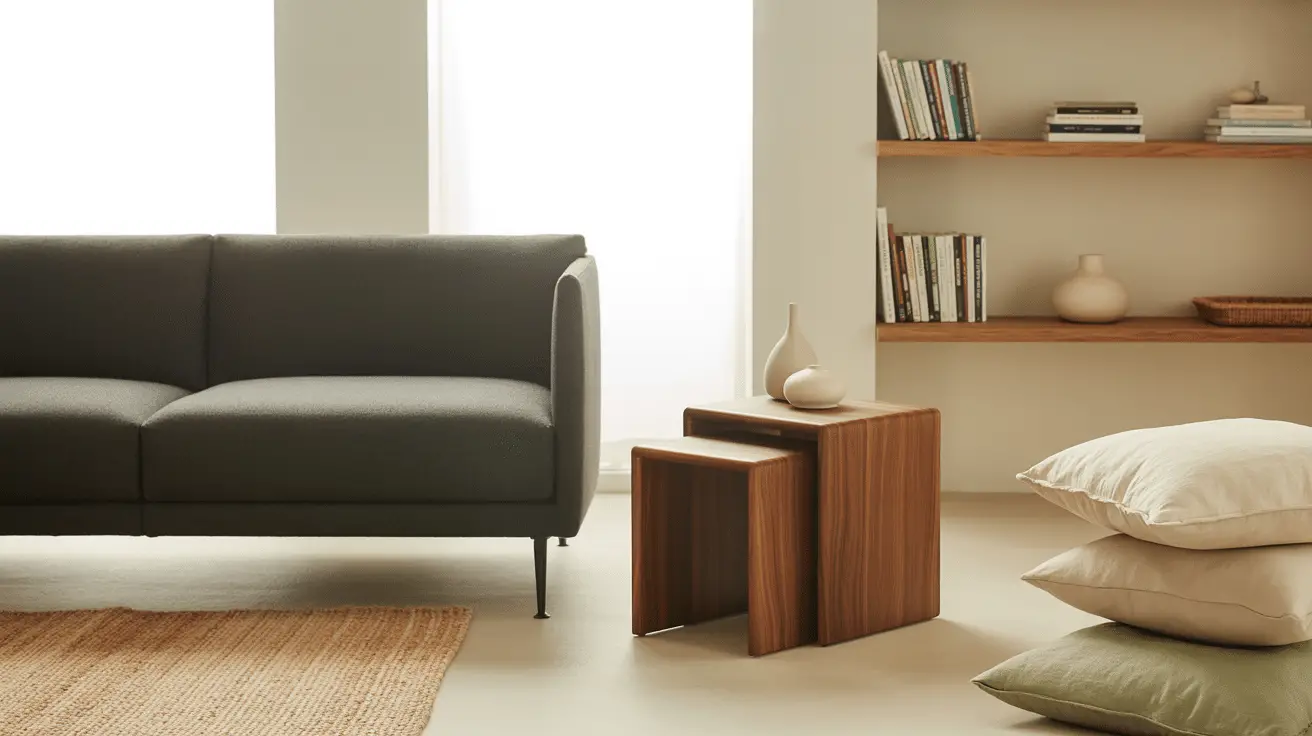
Minimalist Living Room Designs Apartment Edition: Stylish Small-Space Ideas for Modern Homes
Table of Contents
Introduction
Minimalism has become one of the most popular design approaches for modern apartment living, and the reasoning behind this trend is easy to understand. With over 82% of urban residents now living in compact or moderately sized apartments, creating a living room that feels spacious, calm, and functional is more important than ever. A minimalist living room allows you to embrace simplicity, reduce clutter, and maximize every square inch without sacrificing style or comfort.
Minimalist living room designs apartment edition focus on intentional choices—selecting furniture with purpose, using light and neutral colors, incorporating storage-smart pieces, and minimizing visual noise. Rather than feeling stark or empty, a well-designed minimalist space feels serene, airy, and thoughtfully curated. It’s a space where everything serves a function and contributes to a sense of balance.
This guide explores practical and beautiful ways to design a minimalist living room suited specifically for apartment layouts. From optimizing small spaces to choosing the best furniture, color palettes, lighting, and décor essentials, each section offers detailed insights to help you create a modern minimalist space that feels both inviting and elevated. Whether you’re starting from scratch or refining your current living room, these ideas will help you embrace minimalism that works effortlessly for apartment living.
Choosing a Clean, Balanced Color Palette for Apartment Minimalism
A minimalist living room begins with a calm, cohesive color palette that sets the foundation for the entire space. Since apartments often have limited natural light or smaller footprints, colors play a major role in how open and airy the room feels. Neutral tones such as soft whites, beiges, warm grays, muted taupes, and earthy bone shades help create a serene backdrop that visually expands the room. These hues reflect light, making even compact living rooms feel brighter and more spacious.
For those who prefer subtle contrast, accent tones such as charcoal, sage green, matte black, or dusty terracotta add personality without disrupting the minimalist aesthetic. These earthy or muted shades bring depth while maintaining harmony. The key is using color intentionally—one or two accents should be enough to anchor the design while keeping the room uncluttered.
Textures matter as much as color in minimalism. Matte finishes showcase clean lines, while soft textiles like linen or cotton add warmth. Natural materials like oak, bamboo, and ceramic pair beautifully with minimalist tones, creating a balanced and grounding environment.
Minimalist Color Palette Guide
| Color Group | Examples | Effect |
| Soft Neutrals | White, cream, beige | Airy + open |
| Warm Grays | Taupe, mushroom | Calm + balanced |
| Deep Accents | Black, charcoal | Modern contrast |
| Earthy Tones | Sage, terracotta | Natural warmth |
Choosing a clean palette anchors the space and allows furniture and decor to shine without competing visually.
Essential Furniture Choices for a Minimalist Apartment Living Room
Furnishing a minimalist apartment living room requires careful consideration of scale, silhouette, and purpose. The best minimalist spaces feature furniture pieces that are functional, streamlined, and thoughtfully placed to avoid overcrowding. For small apartments, this is especially important: oversized sofas or bulky tables can make the room feel cramped, while slim, elevated designs help the space breathe.
Start with a sofa that features clean lines and a neutral color. Low-profile sofas create an open visual flow, while modular sectionals adapt to various layouts. Pair the sofa with a minimalist coffee table—preferably one with thin legs, a simple surface, or built-in storage. Nesting tables are a smart option because they provide flexibility and can be tucked away when not in use.
Open shelving or floating consoles work better than heavy bookcases in apartments. They offer storage while maintaining a sense of openness along the walls. When selecting accent chairs, choose pieces with slim frames or natural materials such as rattan, metal, or wood to prevent visual weight.
Minimalist Furniture Breakdown
| Furniture Type | Best Style | Benefit |
| Low Sofa | Neutral, clean-lined | Expands visual space |
| Nesting Tables | Wood or metal | Flexible + compact |
| Floating Shelves | Light wood/white | Minimal footprint |
| Slim Accent Chair | Metal or rattan | Airy + stylish |
With intentional furniture selection, your apartment living room becomes a well-curated minimalist haven.
Maximizing Small Apartment Space with Smart Layouts
A minimalist living room thrives on good layout planning—especially in apartments where every square foot counts. Smart layouts help ensure that the room feels functional and uncluttered, allowing furniture and décor to serve a purpose without crowding the space. The foundation of a minimalist layout is openness: avoiding unnecessary items and prioritizing flow.
Start by evaluating the main focal point of the room. In most apartments, this is either a window or a TV wall. Arrange seating to maximize natural light and create a conversational environment. Keep walkways unhindered—traffic should move easily from one area to another without awkward obstacles.
Floating furniture is an excellent strategy for apartment layouts. Instead of pushing everything against the wall, bring the sofa slightly toward the center of the room to create balance. This technique avoids the “boxy” feeling common in small rooms and makes the space feel more intentional.
Multifunctional furniture is another minimalist essential. Ottomans that double as storage, coffee tables with shelving, and foldaway chairs help maximize utility without adding clutter. Utilizing vertical space—such as tall shelving or wall-mounted lighting—also frees up floor space.
Smart Layout Guide
| Layout Strategy | Purpose | Benefit |
| Floating Furniture | Open flow | Adds balance |
| Clear Pathways | Easy movement | Reduces visual clutter |
| Multifunctional Pieces | Space-saving | Enhances practicality |
| Vertical Storage | Wall space use | Frees floor area |
A smart layout transforms even the smallest apartment into a polished, minimalist retreat.
Decorative Essentials: Adding Style Without the Clutter
Minimalist décor doesn’t mean eliminating personality—it means choosing décor that adds value and enhances the overall aesthetic. Apartment-sized living rooms benefit from a “less but better” approach, selecting decorative pieces that contribute style while keeping surfaces clean and uncluttered.
Start with wall décor. Large framed art or a single oversized canvas creates impact without overwhelming the space. Abstract art, soft-toned landscapes, or line drawings complement minimalist design beautifully. Mirrors are another powerful tool—they reflect light, expand the feeling of space, and enhance the room’s simplicity.
Plants bring organic texture into minimalist living rooms. Opt for sculptural varieties like snake plants, olive trees, or succulents placed in simple ceramic pots. Keep plant styling limited to one or two key areas to maintain balance.
Soft furnishings such as textile throws, area rugs, and pillows introduce warmth. Stick to textured neutrals or gentle patterns to avoid visual noise. Glass, ceramic, or matte-finished décor pieces placed sparingly on shelves or coffee tables add elegance without clutter.
Minimalist Décor Breakdown
| Decor Type | Suggested Style | Purpose |
| Wall Art | Large, simple pieces | Visual impact |
| Plants | Sculptural greens | Natural texture |
| Rugs | Neutral textured | Defines space |
| Accent Décor | Ceramic, glass | Refined simplicity |
Thoughtful décor enhances the minimalist aesthetic without disrupting its serene balance.
Choosing Lighting That Enhances Minimalist Apartment Design
Lighting plays a transformative role in minimalist living rooms, especially in apartments where natural light may be limited. The key is layering different types of lighting to create warmth, depth, and functionality—all while maintaining a clean and unobtrusive design.
Overhead lighting serves as the base, but avoid overly ornate fixtures. Instead, choose streamlined pendants, flush mounts, or modern linear lights. Floor lamps with slim silhouettes add a sculptural element without feeling heavy, while table lamps on floating shelves or narrow console tables provide soft, ambient glow.
Warm white bulbs are essential—they bring coziness while maintaining the minimalist tone. Incorporating indirect light, such as LED strips under shelves or behind cabinets, adds dimension without adding clutter.
Minimalist Lighting Chart
| Lighting Type | Best Placement | Effect |
| Pendant Lights | Ceiling | Clean overhead illumination |
| Floor Lamps | Corners | Height + warmth |
| Table Lamps | Shelves, consoles | Soft ambient glow |
| LED Strips | Behind furniture | Modern subtle depth |
Good lighting elevates the entire room by highlighting textures, enhancing openness, and creating inviting warmth.
Integrating Storage Solutions for a Clean, Clutter-Free Look
Minimalism only works when clutter is controlled. In apartment living rooms, storage solutions are essential for maintaining a clean and functional design. The goal is to hide everyday items while keeping them easily accessible.
Built-in cabinets, floating media consoles, and under-sofa storage are excellent choices. Storage ottomans are another minimalist-friendly solution—they provide seating while doubling as a place to tuck away blankets, remotes, or games. Baskets in natural materials like seagrass or jute offer stylish containment for items that don’t need to be displayed.
Wall-mounted shelving saves space and reduces floor clutter. Choose closed storage options for a tidier look, mixing in small decorative pieces to maintain aesthetic appeal.
Apartment Storage Breakdown
| Storage Type | Best Use | Benefit |
| Media Console | Electronics | Keeps surfaces tidy |
| Storage Ottoman | Blankets, remotes | Multi-purpose |
| Wall Shelves | Books, décor | Frees floor space |
| Natural Baskets | Loose items | Stylish + functional |
Smart storage allows minimalist design to shine by eliminating unnecessary distractions.
Textures and Materials That Bring Minimalism to Life
Minimalist living room designs rely heavily on texture to prevent the space from feeling too plain or cold. In apartments, this becomes especially important because limited space means fewer opportunities for visual variation.
Natural materials such as wood, linen, cotton, stone, and rattan provide organic warmth. Smooth surfaces like glass and metal add structure, while soft textiles bring comfort and balance. Use texture intentionally—mix rough with smooth, matte with glossy, soft with structured—to achieve depth without clutter.
Texture Guide
| Material | Use | Effect |
| Wood | Furniture, shelves | Warm + grounding |
| Linen | Curtains, pillows | Soft + breathable |
| Rattan | Chairs, baskets | Natural charm |
| Metal | Lamps, frames | Modern contrast |
Texture allows minimalism to feel comfortable rather than sparse.
Conclusion
Minimalist living room designs apartment edition emphasize simplicity, purpose, and calm beauty. Through intentional choices—clean color palettes, streamlined furniture, smart layouts, clutter-free décor, and layered textures—any apartment can transform into a serene, modern retreat. Minimalism doesn’t mean removing character; it means curating a space where every element contributes to a feeling of balance and clarity. By adopting these ideas, you can create a living room that feels open, stylish, and deeply inviting, no matter the size of your apartment.