
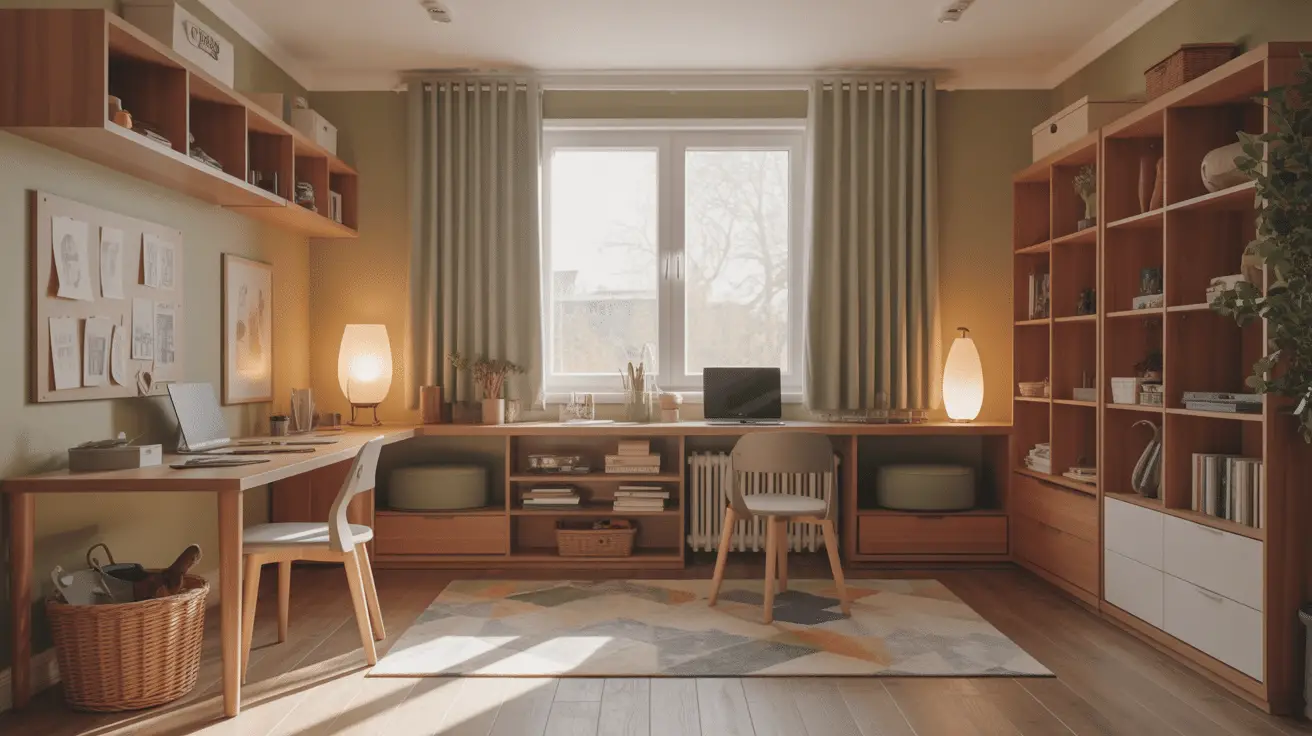
DIY Cozy Hobby Room Setup for Home Comfort: Creative Ideas to Transform Your Space
Table of Contents
Introduction
In a world where more people are prioritizing home comfort and personal well-being, hobby rooms have become highly sought-after spaces. A recent survey on at-home lifestyles found that over 70% of individuals value having a dedicated area for creativity, relaxation, and personal projects. This growing trend speaks to a deeper desire: creating a home environment that nurtures both productivity and a sense of calm. Whether you love crafting, reading, painting, sewing, gaming, or simply unwinding with a soothing pastime, the right hobby room design can significantly elevate the experience.
Yet setting up a cozy hobby room can feel overwhelming—especially if you’re working with limited space, a tight budget, or multiple activities you want to accommodate. That’s where a thoughtful, DIY approach shines. By combining intentional design choices with accessible materials and personalized accents, you can build a room that reflects your passions while enhancing overall home comfort.
In this guide, you’ll discover practical strategies, décor ideas, layout plans, and storage solutions to help you create a warm, inviting hobby room tailored to the activities you love. Each section breaks down both the creative and functional elements, giving you the tools to transform your space into a sanctuary of comfort and inspiration.
Designing the Ideal Layout for a Cozy Hobby Room
The foundation of any hobby room setup begins with the layout. A well-designed layout maximizes comfort, enhances workflow, and allows your hobbies to take center stage. The key is balancing open space with functional zones tailored to your activities. Start by defining the primary purpose of the room. If you work on multiple hobbies, designate separate areas using furniture placement, rugs, or shelving to create a natural flow.
Lighting also plays a crucial role in layout design. Natural light is ideal for artistic activities, reading, or crafting, while ambient lighting creates a softer atmosphere for hobbies like journaling or knitting. Position workstations near windows whenever possible, but supplement the space with warm, layered lighting—table lamps, sconces, or LED strips—that enhance comfort during evening hours.
Flexibility is another important factor. Choose furniture that can easily shift or adapt as your hobbies change. A foldable table, rolling carts, or multifunctional seating help maintain a clutter-free environment while supporting creativity.
Visual Breakdown: Layout Planning Guide
| Design Element | Purpose | Tips for Small or Shared Spaces |
| Activity Zones | Define hobby areas | Use rugs or shelves to separate zones |
| Lighting Placement | Improve comfort and visibility | Mix natural and warm artificial lighting |
| Flexible Furniture | Adapt to changing needs | Choose foldable or mobile pieces |
| Open Floor Flow | Enhance movement | Avoid oversized furniture |
Choosing Comfort-Driven Furniture for Your DIY Hobby Room
Comfort is essential in creating a hobby room you’ll enjoy spending time in. The right furniture fosters relaxation and productivity by offering ergonomic support and a sense of ease. Begin with seating: a plush armchair may suit reading or knitting, while a supportive craft chair is ideal for hands-on projects. When selecting furniture, consider how long you typically spend on each activity and choose pieces that encourage healthy posture.
Storage-friendly furniture is equally important. Ottomans with lids, benches with hidden compartments, and modular shelving allow you to store materials without sacrificing style. Look for natural wood finishes or warm, earthy tones that contribute to the cozy aesthetic.
A sturdy worktable can anchor the room, serving multiple roles such as crafting, painting, or assembling projects. If your hobbies vary, consider a height-adjustable table that transitions seamlessly between tasks. Layering comfort with soft textiles—like throw blankets, cushions, and plush rugs—enhances the sensory experience and encourages longer, more enjoyable hobby sessions.
Visual Breakdown: Furniture Selection Tips
| Furniture Type | Best Use | Comfort Benefit |
| Plush armchair | Reading or handwork | Enhances relaxation |
| Ergonomic craft chair | Art or DIY projects | Supports posture |
| Storage ottoman | Multipurpose storage | Reduces clutter |
| Adjustable table | Multi-hobby spaces | Increases flexibility |
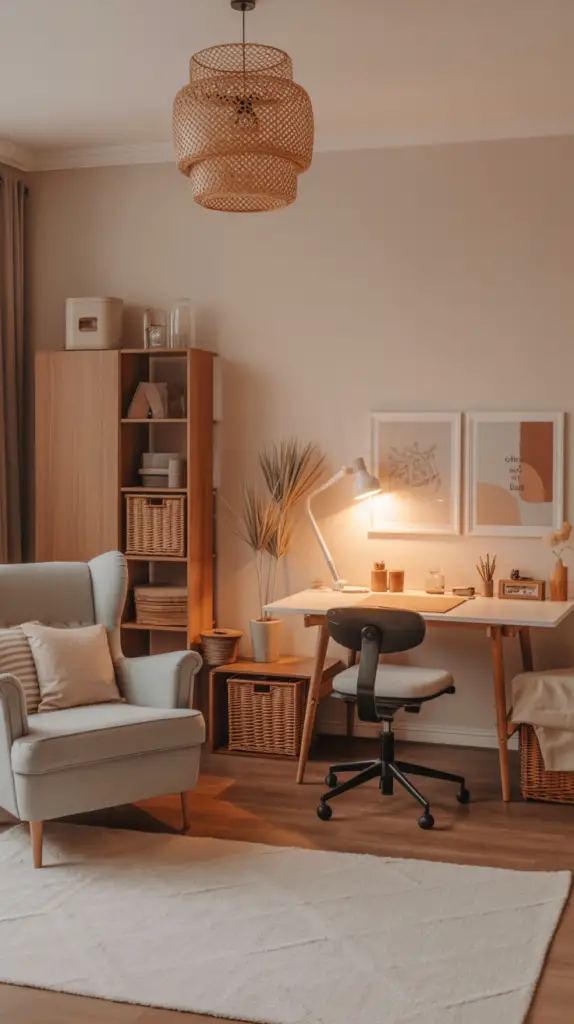
Creating a Cozy Atmosphere With Color, Textures, and Lighting
A truly cozy hobby room centers on ambiance. The right combination of colors, textures, and lighting will make your space feel warm, inspiring, and deeply personal. Neutrals and soft hues—such as cream, sage, blush, or muted blues—create a grounding effect that supports focus and relaxation. These shades also pair well with rustic wood accents, handmade décor, or vintage items often found in DIY-friendly spaces.
Textures introduce depth and comfort. Add knitted throws, woven baskets, linen curtains, cork boards, or wool rugs to soften the room’s visual edges. These tactile elements encourage a sense of warmth and calm, making your hobby time feel like a peaceful retreat. Incorporating a variety of natural materials also enhances the sensory richness of the room.
Lighting shapes the emotional tone of the space. Layered lighting—ambient, task, and accent—allows you to adjust the mood based on the activity. Warm-toned bulbs mimic natural sunlight, enhancing comfort during long hobby sessions. Consider dimmable lights for added control, or string lights for gentle, atmospheric glow.
Visual Breakdown: Cozy Atmosphere Enhancers
| Feature | Purpose | Cozy Effect |
| Soft color palette | Anchor visual tone | Encourages relaxation |
| Mixed textures | Add depth and warmth | Creates tactile interest |
| Layered lighting | Adjust ambiance | Enhances comfort |
Storage Solutions That Keep Your Hobby Room Organized and Inviting
Effective storage is one of the most important aspects of building a hobby room that stays comfortable and functional. Clutter can quickly overwhelm a small or multipurpose space, making it harder to relax or focus on your hobbies. The goal is to create storage solutions that blend efficiency with warmth—keeping items accessible without compromising the cozy aesthetic.
Start with shelving. Floating shelves, cube organizers, or built-in units provide dedicated zones for books, craft supplies, or tools. Labeling bins or baskets helps maintain order while adding a rustic touch. Choose wicker, canvas, or wood materials that complement the softness of the room.
Rolling carts offer flexible storage for items you use frequently. They can be tucked away in a corner or moved beside your workspace with ease, making them ideal for small rooms. Drawer organizers are also helpful for keeping small materials sorted—especially for hobbies like painting, sewing, or journaling.
Vertical storage makes use of limited floor space. Pegboards, hanging rails, or mounted organizers allow tools and décor to be displayed intentionally rather than hidden away. This creates visual interest and easy access simultaneously.
Visual Breakdown: Storage System Guide
| Storage Type | Best Items to Store | Key Benefit |
| Floating shelves | Books, décor | Efficient and stylish |
| Rolling carts | Craft supplies | Mobile and accessible |
| Vertical pegboards | Tools, accessories | Saves floor space |
| Storage baskets | Linens, small items | Adds cozy aesthetic |
Personalizing Your Hobby Room With Meaningful Decor and Sentimental Touches
A cozy hobby room feels most inviting when it reflects who you are. Personalization transforms a functional room into a deeply comforting space where creativity and nostalgia thrive. Start by incorporating items that carry emotional significance—perhaps framed photographs, handwritten notes, or souvenirs from meaningful moments. These pieces become small reminders of joy and comfort as you spend time in the room.
Handmade décor contributes to the DIY spirit of the space. Quilted wall hangings, painted signs, pottery, or upcycled furniture add character and showcase your talents. Personalized storage labels, art prints, and decorative trays also bring charm while supporting organization.
Consider mood-enhancing elements such as scented candles, essential oil diffusers, or soft background music. These sensory additions create a soothing environment that encourages mindfulness and relaxation. Plants are another powerful touch—they bring life, color, and a natural calming effect into the room.
Visual Breakdown: Personalization Checklist
| Decor Element | Emotional Value | Contribution to Coziness |
| Photos & keepsakes | Sentimental meaning | Adds warmth and identity |
| Handmade décor | Creative expression | Enhances personal touch |
| Soft scents | Sensory comfort | Supports relaxation |
| Indoor plants | Natural beauty | Improves atmosphere |
Creating Multifunctional Zones for Maximum Home Comfort
A hobby room becomes especially effective when designed to serve multiple purposes while maintaining a warm and cohesive feel. Multifunctional zones allow you to enjoy various hobbies without reorganizing the room constantly. Start by identifying your primary activities—such as crafting, reading, or digital hobbies—and plan zones that naturally support each one.
Furniture plays a big role in how functional your zones become. A fold-out table creates an instant crafting station while doubling as extra workspace when needed. A window bench may serve as both a cozy reading nook and hidden storage. Room dividers like open shelving or fabric curtains can separate areas without closing off the space entirely.
Lighting should also be tailored to each zone. Reading nooks benefit from soft yet focused lighting, while craft areas require bright task lighting. Digital work or gaming zones may feel more comfortable with ambient, indirect lighting that reduces glare.
Even in a small room, thoughtful zoning can significantly boost comfort. By creating clear boundaries between activities, you keep the room organized and ensure each hobby has a dedicated home.
Visual Breakdown: Multifunctional Zone Ideas
| Zone Type | Best Use | Comfort Feature |
| Reading nook | Relaxation | Soft seating and warm lighting |
| Craft station | Hands-on projects | Bright, ergonomic workspace |
| Digital area | Tech hobbies | Adjustable ambient lighting |
| Storage wall | Organizational hub | Clutter-free design |
Enhancing Home Comfort With DIY Handmade Elements
Nothing deepens the comfort of a hobby room more than incorporating handmade items that reflect your creativity. DIY elements infuse a sense of ownership and charm into the space while often being budget-friendly. Consider starting with soft furnishings—like crocheted blankets, hand-sewn cushion covers, or quilted wall art—that bring warmth and texture to the room.
Furniture refinishing is another powerful DIY project. Transforming a thrifted desk or repainting an old cabinet adds character and contributes to a cohesive design theme. Creating customized storage—such as painted wooden crates, labeled jars, or built-in shelving—offers both practicality and personalization.
Even small DIY decorations can make a big impact. Handmade candles, pressed flower frames, or painted planters introduce subtle details that contribute to the cozy environment you’re building. These elements also serve as conversation starters and reminders of your creativity each time you use the room.
Visual Breakdown: DIY Project Inspirations
| DIY Idea | Materials Needed | Comfort Contribution |
| Quilted wall art | Fabric scraps, sewing kit | Adds handcrafted warmth |
| Refinished desk | Paint, sandpaper | Personalizes workspace |
| Decorative jars | Glass, labels | Enhances organization |
| Painted planters | Terracotta pots, paint | Adds color and charm |
Conclusion
Designing a DIY cozy hobby room setup for home comfort is an opportunity to craft a space that supports your passions while nurturing your well-being. By focusing on layout, comfort-driven furniture, organization, ambiance, and personal touches, you transform an ordinary room into a warm sanctuary tailored to your creative needs. A well-designed hobby room not only enhances productivity but also deepens your connection to the activities that bring joy and relaxation. In the midst of daily routines, such a space becomes a meaningful escape—one that reflects your personality, inspires your creativity, and elevates your experience of being home.