
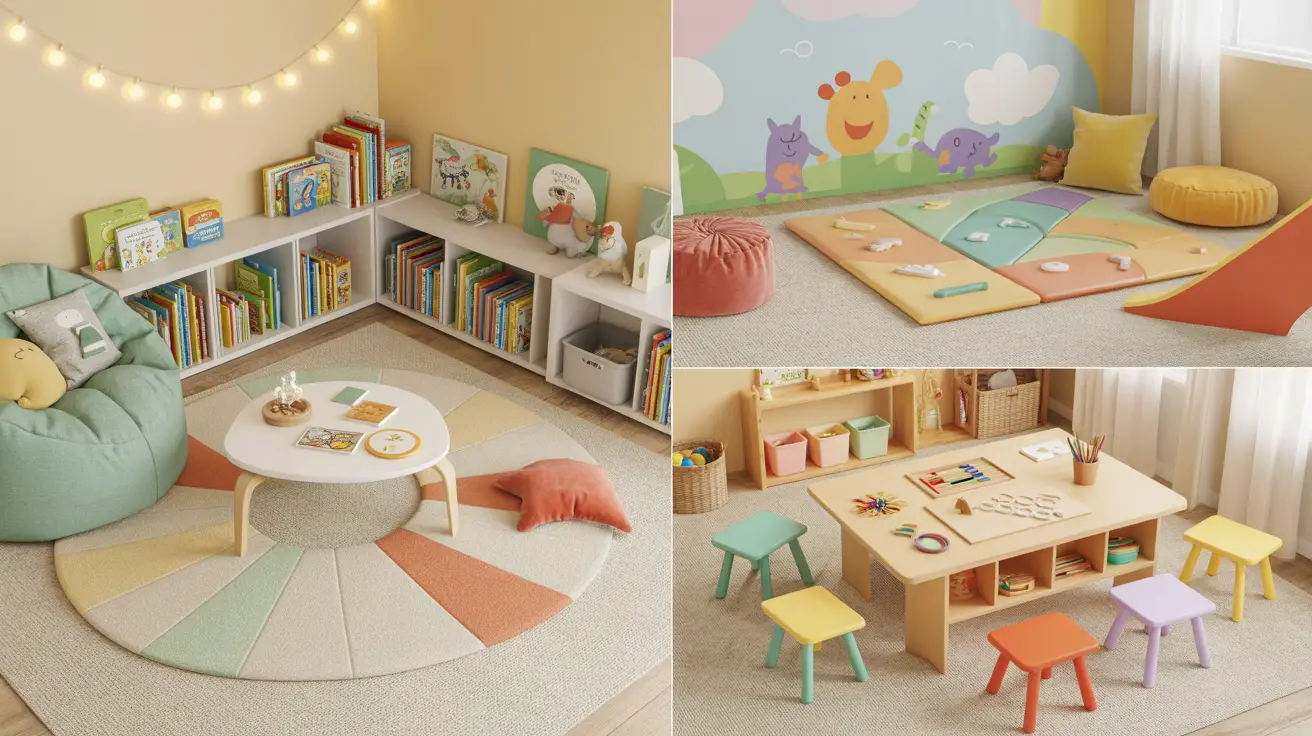
Colorful Toddler Playroom Ideas With Playful Decor: Creative, Joyful, and Functional Spaces for Early Learning
Table of Contents
Introduction
A toddler’s playroom is far more than a place to store toys—it’s a world of imagination, growth, and discovery. Early childhood development research shows that color-rich, well-organized environments can boost creativity, improve focus, and enhance emotional well-being in young children. Yet many parents struggle to design a space that is both stimulating and stylish, fun yet calming, and full of personality without becoming chaotic. This balance is crucial, especially as toddlers grow into active explorers who thrive in spaces designed with intention.
Creating a playroom that blends playful décor with thoughtful design encourages children to engage meaningfully with their surroundings. It supports motor development, creativity, and problem-solving—all while offering a safe, joyful environment for play. Whether your home has a dedicated playroom, a corner nook in the living area, or a multifunctional space shared with siblings, the principles of color, organization, and décor can transform it into a vibrant haven.
This detailed guide explores colorful toddler playroom ideas with playful décor, from choosing palettes that energize and soothe to setting up creative zones, selecting furniture that grows with your child, and using whimsical decorations to bring the space to life. Each section offers practical strategies, aesthetic inspiration, and thoughtful tips to help you design a playroom that feels joyful, functional, and beautifully styled.
Designing a Colorful Playroom Palette That Sparks Imagination
Color is one of the most powerful tools in creating a toddler playroom that promotes creativity and joy. A thoughtful palette not only makes the room visually appealing but also supports emotional regulation and cognitive growth. Toddlers respond especially well to bright, saturated colors that stimulate curiosity, yet balance is key—too much intensity can overwhelm, while thoughtful combinations can energize without overstimulating.
Begin with a harmonious base. Soft neutrals like warm whites, pale grays, or light beiges offer grounding for more vibrant accents. This prevents the room from feeling chaotic and allows colorful décor and toys to pop naturally. Once the base is established, layer in color through murals, accent walls, rugs, bins, and playful art.
Primary and secondary colors—such as bold reds, sunny yellows, ocean blues, and grassy greens—are perfect for stimulating creativity and movement. Meanwhile, softer tones like pastel mint, peach, lavender, or sky blue can create quiet zones intended for reading or relaxation. Mixing bright and soft tones ensures that the playroom feels dynamic without overwhelming the senses.
Color placement matters just as much as color choice. Paint a single feature wall in a bold hue or use multi-color geometric shapes, rainbows, or whimsical hand-painted motifs. Furnishings such as colorful tables, textured rugs, or patterned cushions can introduce color in smaller, easily adjustable ways. Understanding how your child engages with the space helps guide whether color is best applied broadly or through accents.
Color Palette Breakdown
| Color Group | Mood Created | Best Placement |
| Bright Primary Colors | Energetic, stimulating | Play zones, activity areas |
| Soft Pastels | Calm, cozy | Reading corners, nap spots |
| Earthy Warm Tones | Grounded, warm | Furniture, textiles |
| Neutral Base Shades | Balanced and clean | Walls, flooring |
Creating Purposeful Play Zones for Learning, Movement, and Creativity
A well-designed toddler playroom thrives on structure and flow. Thoughtfully created zones help guide play, promote independence, and support different developmental needs. Creating defined areas also keeps the room more organized, as each space serves a specific purpose and encourages children to return items where they belong.
Start with an activity zone. This area can include a toddler-sized table for puzzles, crafts, coloring, or simple learning activities. The table should be sturdy and paired with easy-to-clean chairs. Surround it with shelves or labeled bins to make supplies accessible. Bright colors keep this section lively and inspiring.
Next, incorporate a movement zone. Toddlers need spaces where they can release energy safely. This could include a soft mat for tumbling, a mini slide, climbing cushions, balance beams, or foam gym equipment. Adding bold colors and playful patterns in this zone encourages active engagement.
A cozy reading nook adds balance to the room. Use soft textures like plush rugs, floor pillows, canopy tents, or mini sofas to create a calming retreat. This space benefits from warm lighting and softer color palettes to encourage relaxation and imaginative storytelling.
Finally, consider a quiet sensory zone. This could include baskets of textured toys, sensory bins, musical instruments, or discovery boards. For children who benefit from calm-down spaces, this zone may include dimmable lighting, calming hues, and soothing textures like faux fur or velvet.
Play Zone Breakdown
| Zone Type | Purpose | Ideal Features |
| Activity Zone | Learning and creativity | Table, craft bins, bright décor |
| Movement Zone | Physical play | Cushions, slide, mats |
| Reading Nook | Calm and imagination | Pillows, canopy, soft lighting |
| Sensory Area | Exploration | Textured toys, bins, gentle colors |
Choosing Toddler-Friendly Furniture That Balances Style and Function
The furniture you select plays a major role in shaping the playroom’s functionality and appearance. Toddler-friendly furniture must be durable, safe, and proportioned for small hands and curious explorers. Luckily, stylish options exist that blend safety with beautiful design.
Child-sized tables and chairs support independence and fine motor development. When children can sit and stand without help, creativity happens more naturally. Opt for rounded edges, washable surfaces, and sturdy construction to withstand daily use.
Open shelving creates accessibility. Low shelves encourage toddlers to choose activities independently—an important element in Montessori-inspired playrooms. Choose shelves in neutral wood or colorful finishes to complement your palette. Bins or baskets can be incorporated for easy cleanup.
Soft seating adds comfort and charm. Mini armchairs, poufs, beanbags, or cushioned benches make the room feel inviting. These pieces create perfect reading or quiet-time spots and add texture to the room’s décor.
Multipurpose furniture is ideal for smaller homes. A toy chest that doubles as seating, a table with built-in storage, or stackable stools keeps the space efficient without sacrificing style. Look for designs that adapt as your toddler grows.
Furniture Guide for Playful Spaces
| Furniture Piece | Benefits | Style Tips |
| Toddler Table & Chairs | Encourages independence | Choose bright or neutral sets |
| Open Shelving | Easy access to toys | Add labeled bins |
| Soft Seating | Comfort and coziness | Mix textures for depth |
| Multipurpose Pieces | Space-saving | Opt for modern, clean lines |
Using Playful Décor and Wall Art to Bring the Playroom to Life
Décor is where personality shines. Playful décor sets the tone, enhances imagination, and gives toddlers visual cues that stimulate curiosity. Wall art, themed elements, and whimsical accents can transform an ordinary room into a vibrant play space.
Begin with wall art that sparks joy. Oversized prints, framed illustrations, or removable decals work beautifully for playrooms because they’re easy to update as your child grows. Themes such as rainbows, animals, space, botanical shapes, or alphabet art can reinforce early learning.
Interactive wall décor adds depth to the room. Choose chalkboard walls, magnetic boards, felt boards, or pegboards that invite hands-on engagement. These dynamic décor choices grow with your toddler, offering opportunities for creative exploration and problem-solving.
Rugs and textiles introduce color and texture. Patterned rugs not only protect floors but also create defined zones and add visual warmth. Throw pillows shaped like stars, animals, or rainbows add playful character while contributing to comfort.
Decorative objects—such as wooden toys displayed on shelves, whimsical baskets, or colorful garlands—enhance aesthetic appeal while remaining functional. Ensure décor aligns with the room’s color palette to avoid overstimulation.
Décor Decision Chart
| Décor Type | Best Use | Visual Impact |
| Wall Art & Decals | Themed or learning visuals | Adds personality |
| Interactive Walls | Creative play | Engaging and fun |
| Textiles | Comfort & color | Warm, inviting atmosphere |
| Accent Pieces | Style & character | Cohesive design flow |
Smart Storage Solutions to Keep Playful Spaces Organized
A colorful playroom thrives on organization. Without a thoughtful system, toys can quickly overwhelm the room, making playtime chaotic. Effective storage ensures that everything has a designated home, making cleanup easier for toddlers and maintaining a visually appealing space.
Start with open shelving. Toddlers naturally respond to visible items—they’re more likely to play with and put away toys they can easily see and reach. Low shelves with labeled bins promote independence and reduce visual clutter.
Baskets serve as stylish and functional storage. Woven baskets, felt bins, and collapsible fabric containers are easy for toddlers to handle and gentle on little fingers. Sorting toys by type—blocks, puzzles, books, stuffed animals—helps toddlers understand categorization.
Vertical storage maximizes space. Wall-mounted racks, tall book towers, or pegboards increase storage capacity without taking up valuable floor space. These solutions also double as décor when styled with intention.
Clear bins offer visibility, especially helpful for art supplies or sensory materials. Bonus: toddlers love seeing what’s inside, which encourages autonomy.
Storage Solution Breakdown
| Storage Type | Purpose | Benefit |
| Open Shelving | Easy access | Encourages independence |
| Baskets & Bins | Category sorting | Stylish and simple |
| Vertical Storage | Space-saving | Keeps floors open |
| Clear Containers | Visibility | Reduces rummaging |
Adding Sensory Elements and Textures for Engaging Play
Sensory play is essential in toddler development, and incorporating sensory-friendly elements into the playroom elevates both engagement and comfort. Sensory elements can be displayed beautifully through textures, materials, and tactile décor.
Soft textures like plush rugs, faux fur cushions, and soft blankets create a cozy foundation. They also help toddlers feel grounded and calm during play. Textured wall hangings or tactile décor pieces—such as felt rainbows or woven art—add visual interest and sensory engagement.
Introduce sensory bins filled with rice, beans, pom-poms, or kinetic sand. Store them within easy toddler reach for spontaneous sensory exploration. Choose colorful containers to blend beautifully with the décor.
Light and sound sensory pieces also enrich the environment. Soft glow lamps, rainbow light projectors, or gentle musical toys can create calming sensory moments, especially useful for overstimulated toddlers.
Sensory Design Overview
| Sensory Material | Purpose | Ideal Placement |
| Soft Textiles | Comfort | Rugs, seating |
| Tactile Décor | Engagement | Walls, shelves |
| Sensory Bins | Exploration | Accessible shelves |
| Light Features | Calm moments | Corners or nooks |
Incorporating Multi-Use Play Features for Growing Toddlers
Designing playrooms that grow with toddlers ensures long-term usability. Multi-use features keep spaces flexible and reduce the need for frequent redesigning.
Activity tables with interchangeable tops (lego base, chalkboard, craft surface) evolve with your child’s interests. Modular climbing sets like foam blocks or foldable climbers foster gross motor skills and can shift into creative layouts.
Convertible reading nooks can transition from toddler seating to compact study corners as children mature. Stackable bins and adjustable shelving adapt to changing toy sizes and types.
Multi-Use Feature Chart
| Feature | Toddler Use | Long-Term Value |
| Activity Table | Crafts and puzzles | Becomes study desk |
| Modular Climbers | Movement play | Builds gym or fort setups |
| Adjustable Shelves | Toy storage | Adapts as child grows |
| Convertible Seating | Reading | Converts to study zone |
Conclusion
A colorful toddler playroom filled with playful décor does more than brighten a space—it nurtures creativity, independence, and joyful exploration. Through thoughtful color choices, functional zoning, stylish furniture, engaging décor, and smart storage solutions, you can design a room that grows with your child and inspires their daily play. Layering textures, sensory elements, and imaginative features brings personality and heart into the space. Ultimately, the best playrooms balance vibrancy with structure, fun with comfort, and creativity with intentional design.