
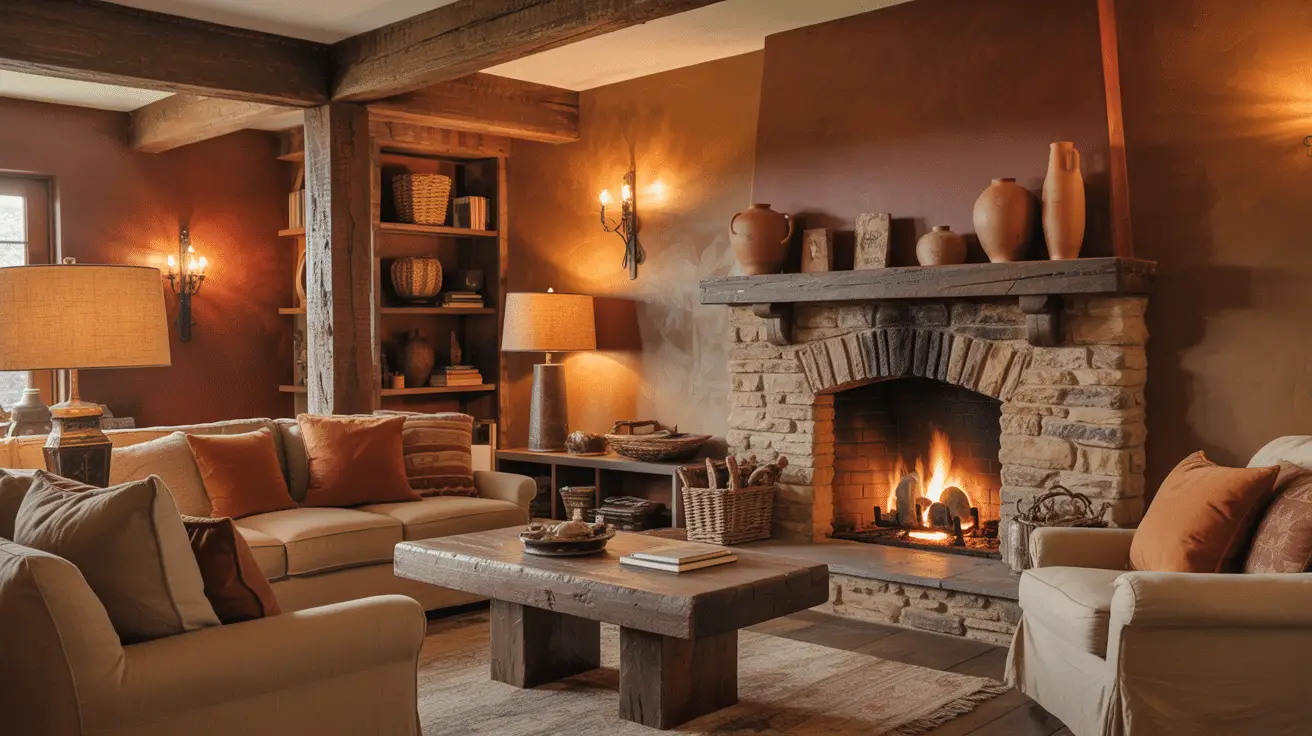
Rustic Warm Living Room Ideas for a Comfortable Home and Cozy Everyday Living
Table of Contents
Introduction
A living room is often described as the heart of the home—not just a place to sit, but a space where memories form, stories unfold, and comfort is shared. Recent interior design studies reveal that homeowners increasingly crave warm, grounding environments that counterbalance the demands of modern life. It’s no surprise that rustic warm living room ideas have surged in popularity. This style blends organic textures, earthy tones, and timeworn accents to create a comforting retreat that feels both inviting and visually rich.
A rustic warm living room is more than a design aesthetic; it’s a feeling. It embraces coziness, authenticity, and a sense of connection to nature. Whether you live in a country house, a suburban home, or a city apartment, incorporating rustic elements can transform your living space into a sanctuary of warmth and character.
In this article, you’ll discover a variety of practical and inspiring ideas for crafting a comfortable home using rustic design principles. From color palettes and materials to lighting, layout, décor, and meaningful textures, each section offers insight into building a living room that feels lived-in yet refined. By the end, you’ll have tools and ideas to infuse your living room with rustic charm while maintaining everyday comfort for yourself and your guests.
Creating a Cozy Rustic Color Palette for a Warm Living Room
Color serves as the emotional foundation of any rustic warm living room. A palette rooted in earth-inspired hues helps create comfort and depth, offering a timeless backdrop that enhances natural materials and textural décor. Warm neutrals, muted browns, terracotta, amber, and creamy whites work beautifully to establish a welcoming, grounded atmosphere.
Start by selecting a base color for the walls—something soft and soothing like warm beige, clay, or linen white. These tones envelope the room in warmth without overpowering the senses. Accent colors such as burnt orange, forest green, and deep rust can be incorporated through pillows, throws, or artwork, adding subtle richness to the palette.
Layering colors is essential in rustic design. The beauty lies not in perfectly matching tones but in harmonizing shades that reflect nature. Incorporating wood in different stains, stone textures, or woven textiles contributes visual warmth.
Lighting affects how colors appear throughout the day. Warm lighting enhances rustic tones and makes the room feel more enveloping. Consider avoiding overly cool LEDs, which can flatten the warm palette and disrupt the cozy ambiance.
Rustic Color Palette Table
| Color Tone | Mood Created | Best Placement |
| Warm beige | Soft + welcoming | Walls, upholstery |
| Terracotta | Earthy + rich | Accent pillows, pottery |
| Deep brown | Grounded + classic | Wood furniture |
| Cream white | Bright + cozy | Ceiling, trim, textiles |
Incorporating Natural Materials That Bring Rustic Warmth to the Living Room
Natural materials are essential to achieving warm rustic charm. They introduce organic textures and enhance the cozy feeling that defines this style. Wood is the most influential material in rustic design. Reclaimed wood beams, distressed coffee tables, or hand-carved décor pieces add authenticity and durability. Wood’s grain, knots, and imperfections tell a story, giving the living room character and soul.
Stone is another powerful element. A stone fireplace, slate accent wall, or simple stone accessories can anchor the room with grounding energy. It pairs beautifully with warm textiles and soft furnishings, creating balance between rugged and refined.
Textiles such as wool, linen, cotton, and jute contribute tactile comfort. Chunky knit blankets, woven area rugs, linen drapes, and textured pillows layer softness into the space. These organic fibers enhance warmth without feeling heavy or cluttered.
Decorative materials like ceramics, clay pots, and wrought iron accents integrate seamlessly into a rustic living room. Each introduces subtle contrast while maintaining cohesion with natural tones.
Natural Material Breakdown Table
| Material | Purpose | Best Uses |
| Wood | Warmth + authenticity | Furniture, beams, shelving |
| Stone | Grounding element | Fireplace, accent décor |
| Linen + cotton | Softness | Throws, pillows, curtains |
| Clay + ceramics | Rustic charm | Vases, pots, bowls |
Furniture Choices That Enhance Rustic Comfort and Timeless Appeal
Furniture in a rustic warm living room should combine durability, comfort, and visual charm. Look for pieces that prioritize natural materials, sturdy craftsmanship, and inviting silhouettes. Deep-seated sofas in textured fabrics like linen or plush cotton help create an inviting atmosphere. Earth-toned upholstery ensures the furniture blends seamlessly into the rustic palette while remaining timeless.
Wooden furniture is a core component of rustic design. Coffee tables, bookshelves, sideboards, and end tables made from reclaimed or lightly distressed wood add nostalgic charm. Thick, tactile wood enhances coziness, while metal accents in matte black or brushed bronze add subtle contrast without overpowering the warm design.
Oversized armchairs, leather ottomans, and cushioned benches also add layers of comfort. Leather—especially aged or distressed finishes—complements rustic décor beautifully. It brings sophistication while still feeling homey and approachable.
Arrangement matters too. Furniture layout should encourage conversation and relaxation. Placing seating around a central fireplace or coffee table helps create a welcoming gathering spot.
Rustic Furniture Ideas Table
| Furniture Type | Rustic Benefit | Styling Tip |
| Linen sofa | Soft + timeless | Add throw blankets for warmth |
| Reclaimed wood table | Texture + authenticity | Balance with soft textiles |
| Leather chairs | Rich, warm texture | Choose distressed finishes |
| Woven ottoman | Organic touch | Use as footrest + décor |
Lighting Layers That Enhance Warmth in a Rustic Living Room
Lighting shapes the emotion of a rustic warm living room. Instead of relying on a single overhead fixture, layering different types of lighting creates depth, softness, and warmth. Rustic lighting celebrates imperfection and earthy tones, blending natural materials with ambient glow.
Start with warm ambient lighting from fixtures crafted with wood, metal, or woven textures. Chandeliers or pendants with rustic details create a welcoming foundation. Table lamps or floor lamps with linen shades add diffused warmth that softens the space.
Accent lighting plays a major role in highlighting architectural details like stone fireplaces or wooden beams. Sconces with matte finishes or lantern-inspired designs amplify rustic character. Candlelight is also a signature element, offering an intimate glow that enhances warmth and coziness.
Task lighting ensures functionality while maintaining the rustic aesthetic. Reading lamps beside cozy armchairs or subtle lighting near shelves blend practicality with comfort.
Rustic Lighting Table
| Lighting Type | Effect | Rustic Application |
| Ambient | Warm foundation | Wood or metal chandeliers |
| Accent | Highlights textures | Lantern sconces, candles |
| Task | Functional coziness | Reading lamps, desk lights |
Beautiful Textures and Layers That Add Depth to a Rustic Living Room
A rustic warm living room thrives on layers—both visual and tactile. Texture is one of the most transformative elements of this style, adding richness and comfort that elevate the overall design. The key is mixing materials that complement one another rather than compete.
Start with foundational textures such as wool area rugs, linen-upholstered furniture, or woven blinds. These pieces establish a comforting base. Build upon them with softer, more decorative textures like knit throws, faux fur blankets, embroidered pillows, or jute ottomans. Each layer adds dimension while keeping the space approachable.
Hard textures such as stone, wood, and metal provide grounding structure. These elements contrast beautifully with textiles, creating a balanced design. Even small additions—like a weathered wooden tray or a hammered metal vase—can enhance rustic charm.
Textures also influence the room’s acoustics and warmth. Soft layers help absorb sound and make the room feel more intimate. When thoughtfully arranged, textures transform a simple living room into a deeply comforting retreat.
Rustic Texture Layering Table
| Texture | Purpose | Placement |
| Linen | Airy softness | Curtains, pillows |
| Wool | Warm comfort | Area rugs, throws |
| Jute | Organic grounding | Baskets, ottomans |
| Wood grain | Rustic warmth | Furniture, décor accents |
Meaningful Décor Accents That Elevate Rustic Warmth
Décor accents bring personality and emotional grounding to rustic warm living rooms. These items can reflect family history, nature-inspired themes, or artisanal craftsmanship. The rustic style celebrates imperfections and authenticity—making handcrafted or vintage-inspired pieces ideal.
Wall art plays an important role. Landscape paintings, botanical prints, and abstract earth-toned artwork create cohesion with rustic palettes. Mirrors with wooden or metal frames brighten the space and add depth.
Nature-inspired décor strengthens the connection to the outdoors. Branch arrangements, dried flowers, pinecones, woven baskets, or pottery pieces layer warmth while keeping the design cohesive. Clay vases, stone bowls, and handmade ceramics add earthy elegance.
Books, candles, and antique finds bring a collected feel. The key is moderation—decor should support comfort and serenity rather than overwhelm it.
Rustic Décor Ideas Table
| Décor Item | Rustic Effect | Styling Tip |
| Landscape art | Natural grounding | Place above fireplace |
| Clay pottery | Earthy texture | Style in groups of three |
| Woven baskets | Warm storage | Use near seating |
| Candles | Cozy ambience | Mix heights on coffee table |
Creating a Living Room Layout That Maximizes Warmth and Comfort
A rustic warm living room layout should feel natural, inviting, and centered around comfort. The arrangement of furniture and décor influences the room’s overall mood. The goal is to create a relaxing environment that encourages conversation, lounging, and connection.
Start by determining your focal point—typically a fireplace, large window, or central coffee table. Arrange seating to face this feature, ensuring easy movement throughout the room. Sofas and chairs should feel close enough to promote conversation without feeling crowded.
Zoning helps define spaces within the living room. A reading corner with a textured armchair, a coffee table centered on a wool rug, or a small display area for rustic décor can enrich the room’s functionality. Make sure pathways remain open and natural.
To enhance warmth, incorporate layered textiles and rich materials into each zone. Throw blankets, plush pillows, and soft lighting reinforce the atmosphere of comfort.
Layout Planning Table
| Layout Element | Purpose | Best Application |
| Focal point | Creates visual anchor | Stone fireplace or window |
| Conversation zone | Encourages comfort | Cluster seating together |
| Reading nook | Adds functionality | Add armchair + side table |
| Open pathways | Improves flow | Avoid blocking major walkways |
Conclusion
Rustic warm living rooms capture the essence of comfort, authenticity, and timeless design. By embracing natural materials, earthy palettes, cozy textures, meaningful décor, and thoughtful layouts, you can create a living room that feels both grounding and uplifting. This style thrives on simplicity, warmth, and the beauty of imperfection—qualities that make a home feel truly lived-in. Whether your space is large or small, rustic design offers endless ways to cultivate an environment of relaxation and connection.