
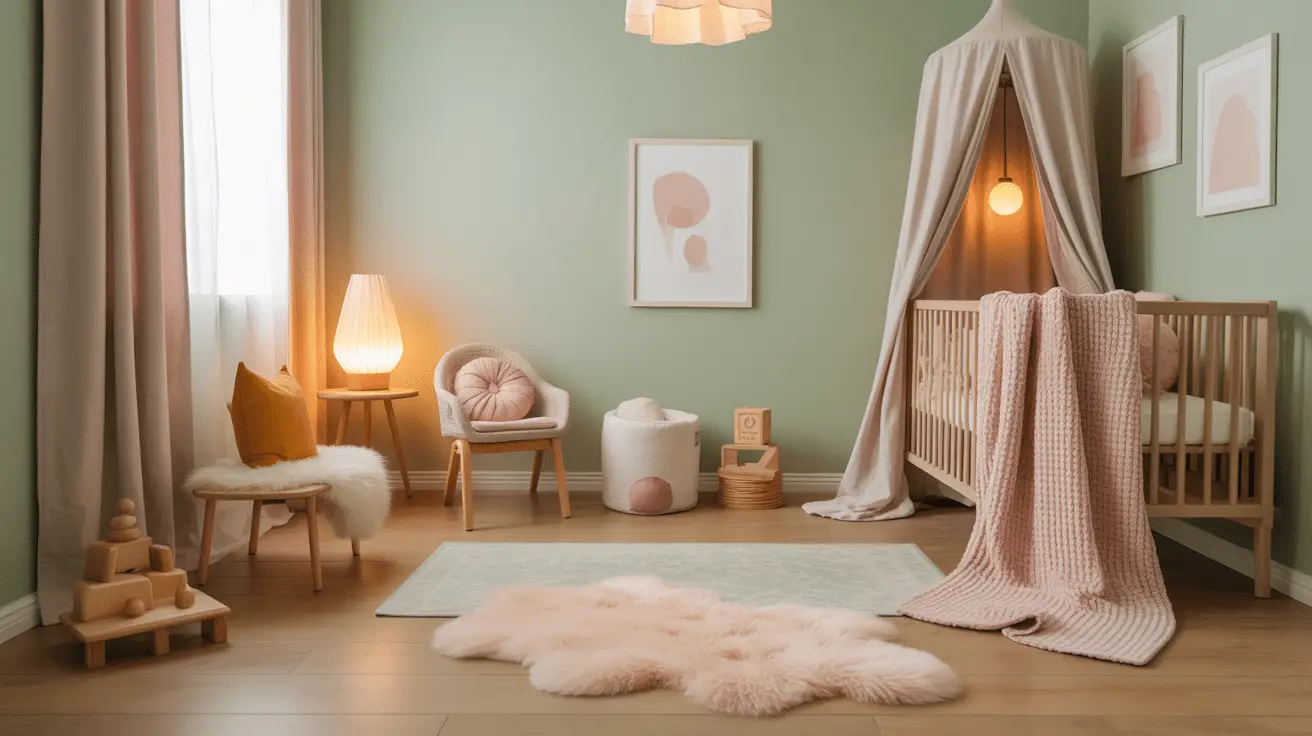
Soft but Colorful Nursery Ideas for a Cozy Baby Room That Feels Warm, Calm, and Joyfully Bright
Table of Contents
Introduction
Designing a nursery is one of the most joyful parts of preparing for a new baby, yet many parents find themselves torn between two very different aesthetics: soft, soothing tones and vibrant, playful colors. Interestingly, recent interior design surveys show that more than 60% of modern nurseries now blend both approaches, creating spaces that are calming enough for rest yet stimulating enough for development. This shift reflects a growing desire to create rooms that feel nurturing and peaceful without sacrificing personality or visual interest.
A soft but colorful nursery strikes this perfect balance. The idea is not to overwhelm the senses, but rather to layer gentle hues with carefully chosen pops of color that bring warmth, charm, and a sense of wonder. Such an approach allows the décor to grow with your child, making the room feel timeless rather than overly theme-dependent or age-specific.
In this comprehensive guide, you will discover beautiful, practical soft but colorful nursery ideas that transform any baby room into a cozy retreat. We’ll explore color palettes, textiles, wall décor, furniture choices, layout strategies, and playful accents—all designed to help you create a harmonious environment where your baby can rest, play, learn, and thrive. Each section includes thoughtful explanations and visual tables to support your planning. By the end, you’ll have all the inspiration you need to bring your dream nursery to life.
Building a Soft but Colorful Nursery Color Palette
A soft but colorful nursery begins with a thoughtfully chosen color palette. The key is selecting hues that feel gentle on the eyes but still introduce personality and warmth. Pastels are a natural starting point: soft peach, muted sage, dusty blue, blush pink, lavender, and warm buttercream all work beautifully as base tones. These shades create a soothing background that supports restful sleep.
Once the foundation is set, layering in deeper or brighter accents brings the space to life. Think coral pillows, a mustard pouf, teal storage bins, or a burnt orange mobile. These bold yet controlled splashes add visual richness without overwhelming the room. The palette should feel cohesive, with each color complementing the others rather than competing.
Lighting also influences how colors appear. Natural light enhances soft hues, while warm artificial lighting makes colorful accents feel cozy rather than harsh. When choosing your palette, test paint swatches at different times of day to ensure the final effect is balanced and inviting.
Nursery Color Palette Guide
| Color Type | Examples | Purpose in Nursery |
| Soft base tones | Sage, blush, dusty blue | Creates calm + harmony |
| Accent colors | Coral, mustard, teal | Adds playfulness + depth |
| Neutrals | Cream, oatmeal, sand | Balances bold hues |
| Metallics | Gold, copper | Adds warmth + sophistication |
Selecting Furniture That Supports a Soft and Colorful Design
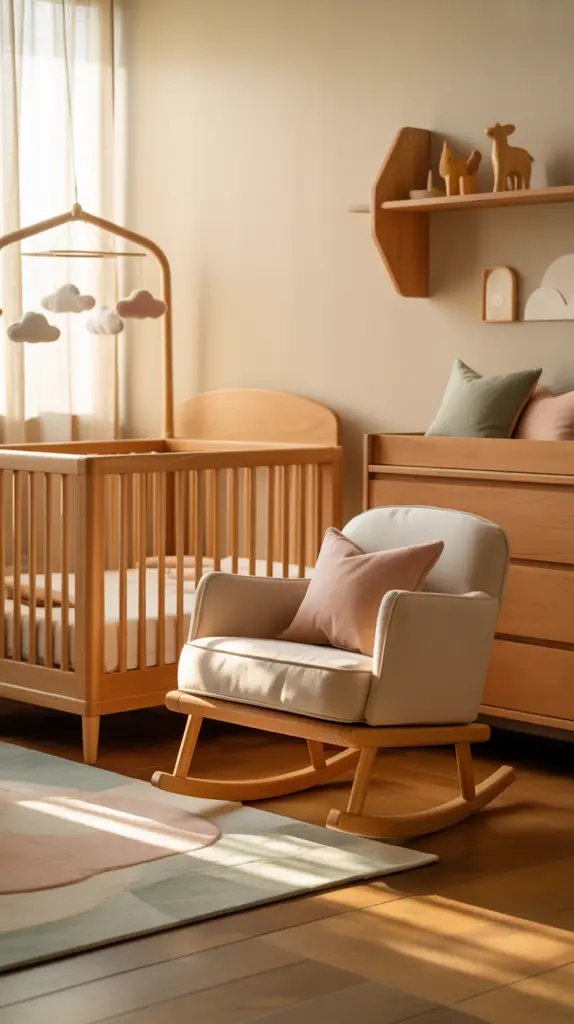
Furniture plays a defining role in creating a nursery that feels both cozy and visually balanced. For a soft but colorful theme, choose furniture in warm neutrals or natural wood tones. These materials ground the space and allow colorful décor to shine without competing. A light oak crib, cream dresser, or natural rattan rocking chair creates a warm, welcoming foundation.
Cribs with simple silhouettes work best in this style, as they allow the surrounding color accents to stand out. Neutral upholstery—like ivory, oatmeal, or pale grey—works wonderfully for gliders or nursery chairs. These subtle tones enhance softness while ensuring the chair complements rather than competes with colorful accessories.
Storage furniture is also essential. Multi-functional dressers, cubby systems, and open shelving provide organization while allowing you to incorporate color through bins, baskets, or toys. Furniture should feel cohesive, practical, and able to evolve as your child grows.
Furniture Selection Breakdown
| Furniture Piece | Ideal Tone/Material | Why It Works |
| Crib | Light wood or white | Softens room + timeless |
| Dresser | Cream or oak | Complements colorful accents |
| Rocking chair | Neutral upholstery | Adds comfort + balance |
| Shelving | Wood or white | Displays soft + colorful décor |
Layering Textiles for Warmth, Softness, and Visual Interest
Textiles are one of the easiest ways to create a cozy atmosphere while incorporating soft but colorful elements. Start with foundational pieces such as neutral or pastel bedding, a plush area rug, and curtains in soft tones like cream, dusty rose, or light sage. These gentle colors help anchor the space while maintaining a calm visual flow.
Next, incorporate accent textiles that bring subtle vibrancy. Colorful crib sheets, patterned throw pillows, whimsical quilts, or playful floor cushions are great ways to add personality without overwhelming the room. When mixing patterns, choose ones with similar tones or motifs so they blend harmoniously. Polka dots, florals, rainbows, or simple stripes work especially well.
Textures make the nursery feel inviting and warm. Knits, boucle, soft cotton, and woven fabrics enhance tactile comfort and add visual depth. These materials contribute to a cozy environment that supports both rest and play.
Textile Layering Guide
| Textile Type | Recommended Style | Benefit |
| Area rug | Soft pastel or neutral | Cushions playtime + warms space |
| Curtains | Light, airy fabrics | Maintains soft ambiance |
| Bedding | Patterned or colored | Adds subtle playfulness |
| Pillows + quilts | Mixed textures | Enhances comfort and style |
Using Wall Décor and Art to Add Gentle Pops of Color
Wall décor is one of the most impactful elements in shaping a nursery’s style. For a soft but colorful baby room, choose artwork and wall features that highlight gentle hues with playful touches. Pastel murals—such as rainbows, clouds, mountains, or botanical scenes—create soft storytelling backdrops that feel imaginative yet calming.
Framed prints allow you to introduce color in a controlled, curated way. You might choose watercolor animals, abstract shapes, or whimsical illustrations that coordinate with your room’s color palette. Gallery walls work beautifully in nurseries, especially when mixing soft tones with bolder accents to achieve visual variety.
Removable wallpaper is another excellent option. Many designs feature soft colors blended with charming motifs like florals, stars, or geometric lines. Because wallpaper often becomes the anchor of the room, select a design that complements your palette and doesn’t overwhelm the space.
Wall Décor Breakdown
| Décor Type | Style Ideas | Impact |
| Murals | Rainbows, pastels, botanicals | Adds dreamy storytelling |
| Prints | Watercolor animals | Introduces soft color bursts |
| Wallpaper | Subtle patterns | Adds texture and cohesion |
| Wall shelves | Display toys + books | Functional + decorative |
Adding Playful Accents to Bring Color and Character to the Nursery
Playful accents bring charm and personality to a soft but colorful nursery. These elements introduce bursts of color in a way that feels balanced and intentional. Toys, mobiles, lamps, books, rugs, and storage bins all offer opportunities to incorporate cheerful hues without overwhelming the room.
Mobiles are especially impactful. A pastel rainbow mobile, felted wool animals, or simple geometric shapes create movement and whimsy. Toys displayed on shelves—such as wooden blocks or plush animals—can act as décor pieces while staying accessible for play. Baskets in mustard, coral, or teal add function and color simultaneously.
Lighting also adds character. A soft-glow nightlight shaped like a moon, star, or animal creates a calming ambiance. Lamps with colorful bases or patterned shades add a decorative layer that enhances the overall palette.
Playful Accent Guide
| Accent Type | Color Suggestions | Contribution |
| Mobiles | Pastel rainbow, soft neutrals | Adds charm + movement |
| Toys | Natural wood, soft colors | Doubles as décor |
| Storage bins | Coral, teal, mustard | Adds fun + organization |
| Lamps | Patterned shade | Soft glow + personality |
Designing a Cozy Nursery Layout for Comfort and Flow
A thoughtful layout ensures your soft but colorful nursery feels cozy, functional, and harmonious. Begin by planning zones: sleep, feeding, changing, and play. Each area should feel distinct yet unified by the overall design. The crib should anchor the quietest corner of the room, ideally away from windows or vents to ensure comfort and safety.
The feeding or nursing zone—often composed of a rocking chair or glider—benefits from placement near soft lighting and small side tables for essentials. This zone should feel calm and comfortable, making long feeding sessions easier. A changing table or dresser-equipped changing station should sit near storage for diapers, wipes, and clothing, ensuring efficiency and flow.
Play areas can incorporate colorful rugs, open floor space, and accessible toy storage. Using color-coded bins or low shelves helps maintain order and reinforces soft yet colorful themes.
Nursery Layout Table
| Zone | Recommended Placement | Benefit |
| Sleep | Quiet corner | Supports restful environment |
| Feeding | Near soft lamp | Enhances comfort |
| Changing | Adjacent to dresser | Maximizes efficiency |
| Play | Open floor zone | Encourages movement |
Conclusion
A soft but colorful nursery blends the best of both worlds—gentle, soothing hues that create a calm retreat and joyful bursts of color that inspire curiosity and delight. By thoughtfully choosing your color palette, layering textures, selecting furniture, incorporating wall décor, and adding playful accents, you create a nursery that feels both cozy and expressive. This balanced approach allows the room to grow with your baby and adapt as your family’s needs change. A well-designed soft but colorful nursery becomes more than a place to sleep—it becomes a warm, imaginative environment where beautiful memories begin.