
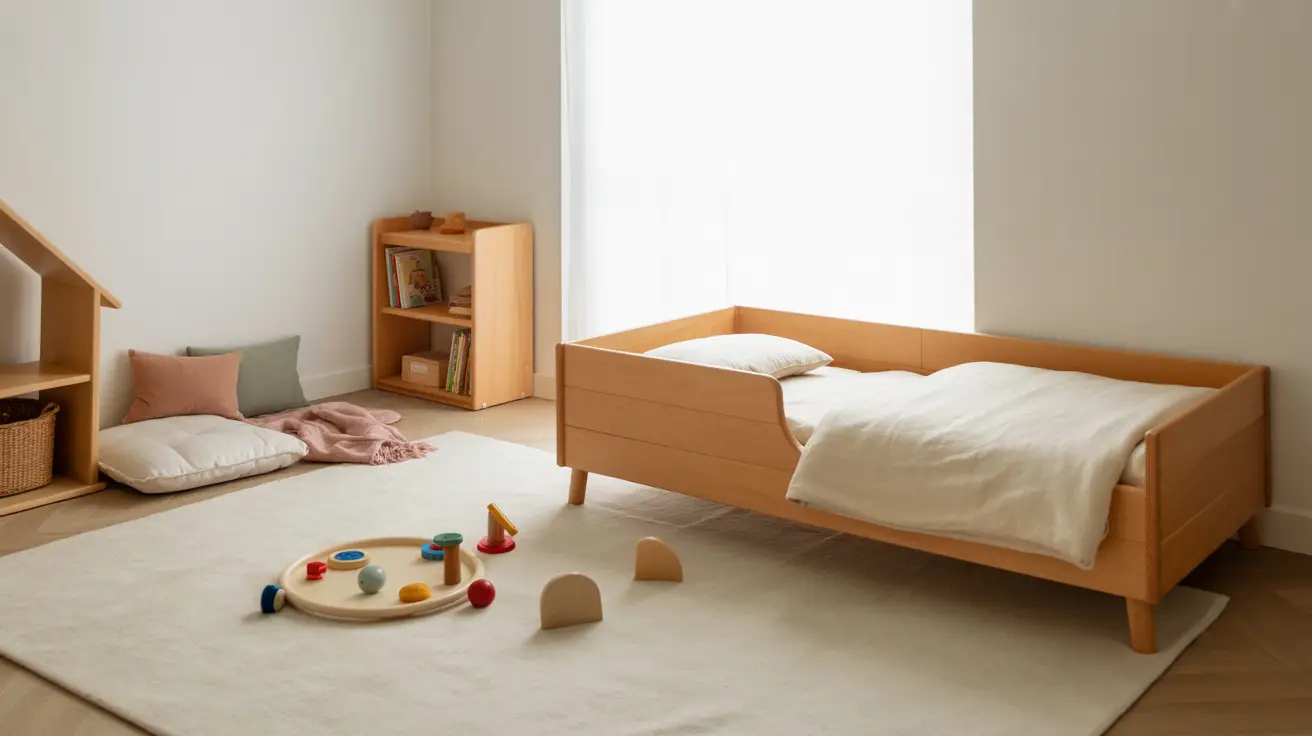
Toddler Boy Bedroom Styling Ideas for a Calm Space: Gentle Designs for Restful Little Rooms
Table of Contents
Introduction
Designing a toddler boy’s bedroom can feel like navigating two worlds at once—the energetic world of play and the peaceful environment needed for healthy rest. At this age, children become increasingly aware of their surroundings, and their rooms play a major role in shaping emotional comfort and daily routines. Research in early childhood development highlights how soothing, ordered spaces can help support better sleep patterns and reduce overstimulation, which is why thoughtful styling becomes so important.
Parents often wonder how to incorporate personality and fun without overwhelming the senses. Should the room be filled with bold themes, or should it remain simple and serene? How do you balance playfulness with calm when toddlers need both? This guide breaks down practical strategies that make designing a peaceful toddler bedroom feel achievable and enjoyable.
We’ll explore color palettes that set the tone for relaxation, furniture layouts that encourage comfort and independence, sensory-friendly décor choices, organization systems that reduce chaos, and small design details that anchor the room with warmth. You’ll discover how the combination of cozy textures, minimalist design choices, and functional elements can create a nurturing, restful haven.
Whether refreshing an existing space or planning a brand-new room, these ideas will help you craft a calming bedroom designed to support both growth and tranquility.
Creating a Calming Color Palette for a Toddler Boy’s Bedroom
Color plays an essential role in shaping a calm environment. Soft hues like warm taupes, dusty blues, muted greens, and creamy neutrals help create a soothing visual backdrop for rest and routine. These shades also offer flexibility, easily adapting as your child’s interests evolve. Brighter colors can still appear in accent elements—small pops of burnt orange, light mustard, or slate blue—but avoiding heavily saturated tones on large surfaces keeps the room peaceful.
When choosing wall colors, think of the atmosphere you want to build. Gentle tones like misty gray-blue or sage green mimic nature and reduce visual clutter, making bedtime transitions smoother. Complement these with natural wood tones—oak, birch, or pine—to bring warmth and grounding energy. Neutral bedding, layered with soft textures like knit blankets or linen throws, continues the calming effect.
A strong palette supports both relaxation and creativity. It doesn’t limit personality—it simply gives the room an organized base so decorative items and toys don’t feel overwhelming. Keeping the underlying tones muted makes it easier to rotate themes or seasonal décor without clashing.
Color Mood Guide for Toddlers
| Color Family | Effect on Mood | Best Uses |
| Soft Blues | Calming, cooling | Bedding, walls, curtains |
| Muted Greens | Grounding, natural | Accent walls, rugs, storage bins |
| Warm Neutrals | Cozy, stabilizing | Furniture, bedding layers |
| Light Browns & Wood Tones | Comforting, warm | Bed frames, shelves |
| Gentle Accents | Playful balance | Posters, pillows, wall art |
Designing a Functional Layout for Calmness and Comfort
The layout of a toddler boy’s bedroom affects how smoothly he moves through daily routines. A well-planned room encourages independence, reduces frustration, and creates organic transitions between sleep, play, and quiet time. Start by dividing the room into clear zones—sleeping, reading, and play zones—so the space feels structured and predictable.
Placing the bed against a solid wall anchors the room visually. Choose a position with minimal distractions; avoid placing it directly under windows or in the path of active play zones. A bedside lamp with warm lighting creates a soft nighttime environment. Toddlers thrive when spaces feel safe, so a low bed frame or Montessori-style floor bed can make the transition to independent sleep easier.
The play area should be open and uncluttered, with soft rugs and accessible toy storage. Keeping toys in woven baskets, low shelves, or labeled bins promotes independent clean-up and reduces sensory overload. A cozy reading corner with a small armchair, bean bag, or floor cushion invites quiet time and gives your child a comforting retreat.
Traffic flow is essential. Avoid placing furniture in walkways and ensure pathways between zones are clear. When toddlers can move effortlessly from bed to play area to reading nook, the whole room feels calm and intuitive.
Room Layout Checklist
| Zone | Key Features | Benefits |
| Sleep Zone | Low bed, minimal décor, soft lighting | Encourages rest and safety |
| Reading Corner | Cushion, small bookshelf, warm light | Promotes quiet time and routines |
| Play Area | Open floor, simple storage, soft rug | Supports creativity without clutter |
| Storage Zone | Baskets, labeled bins, shelves | Improves organization and reduces stress |
Incorporating Sensory-Friendly Décor for a Peaceful Atmosphere
The sensory experience of a room greatly affects a toddler’s mood. Soft textures, natural materials, and gentle patterns create a serene feeling, while overly bright or busy décor can make winding down difficult. Sensory-friendly design isn’t about limiting color or fun—it’s about choosing elements that feel safe and comforting.
Introduce layered textures through area rugs, knit blankets, linen curtains, or cotton bedding. These materials absorb sound, reducing echo and making the room feel more tranquil. Avoid harsh overhead lighting by incorporating table lamps, wall sconces, or string lights that emit a warm glow. This type of lighting helps signal bedtime and creates predictable nighttime cues.
Patterns should remain subtle. Delicate stripes, tiny stars, or soft geometric shapes can add personality without overwhelming the senses. Wall decals, removable wallpaper, or framed illustrations in soothing tones offer visual interest while remaining gentle.
Aromatherapy can also enhance the calming atmosphere, but use it sparingly. A lavender or chamomile room spray (used safely and out of reach) can signal that bedtime is approaching and support relaxation.
Sensory-Friendly Décor Guide
| Sensory Element | Calm Choice | Why It Works |
| Textures | Cotton, knits, wool, linen | Softens sound, adds comfort |
| Lighting | Warm lamps, dimmable lights | Reduces overstimulation |
| Patterns | Soft, minimal, nature-inspired | Gentle on young eyes |
| Materials | Wood, bamboo, natural fibers | Creates warmth and balance |
Choosing Furniture That Grows with Your Toddler
Toddlers go through rapid development, and choosing furniture that adapts ensures long-term value. Look for pieces that support independence, like a low bed frame, accessible shelves, and child-height furniture. A dresser with smooth edges or a convertible crib-to-toddler bed provides both safety and longevity.
Opting for neutral-toned furniture allows the room to evolve over time. Light woods, white finishes, and soft gray pieces blend seamlessly with new themes, color changes, or seasonal décor updates. Prioritize durability—solid wood frames, reinforced joints, and non-toxic finishes are essential for safety and stability.
A small table and chair set gives your child a dedicated place for crafts or puzzles. This helps establish routines and reinforces independence. Storage furniture should be easy for tiny hands to manage, encouraging cleanup habits from an early age.
Furniture Planning Table
| Item | Ideal Features | Benefits for Toddlers |
| Bed | Low frame, sturdy build | Safe and accessible |
| Dresser | Smooth handles, stable design | Encourages independence |
| Storage Shelf | Low height, open bins | Promotes organization |
| Table & Chairs | Lightweight, child-sized | Supports creativity |
Using Wall Art and Decor That Radiates Calm
Wall décor helps define the room’s personality, but selecting calm imagery is key to maintaining a peaceful environment. Look for art featuring nature, animals, soft shapes, or watercolor themes. These visuals provide interest without competing for attention.
Fabric wall hangings, wooden name signs, or gentle abstract prints create a layered yet soothing atmosphere. Avoid overly busy murals or bold patterns across large walls, as they can feel visually overwhelming in a toddler’s space.
Removable wallpaper with simple motifs like tiny mountains, dots, or stars adds charm without permanence. This also makes it easy to switch designs as your toddler’s preferences grow.
Calming Décor Inspirations
| Décor Type | Style | Room Impact |
| Watercolor Prints | Soft landscapes, animals | Adds serenity and story |
| Wooden Decor | Natural tones | Grounding and warm |
| Fabric Hangings | Neutral textiles | Softens walls visually |
| Simple Wallpaper | Minimal patterns | Gentle visual interest |
Organizing the Room to Reduce Overstimulation
Organization is one of the strongest contributors to a calm toddler room. Cluttered spaces make it harder for children to focus and unwind, so intentional storage is essential. Divide toys into categories and rotate them regularly to reduce sensory overload.
Baskets made of wicker, cotton, or felt soften the look of the room while keeping toys accessible. Labeling bins (with pictures for early learners) helps toddlers participate in cleaning routines independently.
Clothing storage should also support a sense of order. Use drawer organizers for socks, pajamas, and everyday outfits so morning routines feel smooth. Minimizing the number of visible items prevents overwhelming choices and encourages calm decision-making.
Organization Strategy Table
| Category | Storage Solution | Benefit |
| Toys | Bins, baskets, low shelves | Reduces clutter |
| Clothes | Drawer dividers | Streamlines routines |
| Books | Forward-facing shelves | Encourages reading |
| Art Supplies | Lidded containers | Keeps mess controlled |
Enhancing Calm Through Lighting and Textures
Lighting and textures shape a room’s emotional tone more than people realize. Soft, diffused lighting helps toddlers feel secure, especially during bedtime. Warm-toned bulbs, dimmer switches, and lampshades that soften brightness create an inviting glow without harsh contrast.
Textures also cue comfort. A plush rug underfoot, a woven throw on the bed, or a cotton canopy over a reading nook adds warmth and tactile security. Toddlers instinctively respond to cozy textures; these elements promote grounding, especially during transitions like naptime or the evening wind-down.
Lighting & Texture Overview
| Element | Best Choice | Why It Works |
| Lighting | Warm lamps, fairy lights | Creates soothing ambiance |
| Rugs | Plush or natural fibers | Softens noise and adds comfort |
| Bedding | Layers of cotton or linen | Regulates temperature |
| Accents | Cushions, knit throws | Enhances coziness |
Conclusion
Creating a calming toddler boy bedroom is all about thoughtful balance—combining supportive color palettes, functional layouts, sensory-friendly décor, and smart organization to shape a peaceful space that grows with your child. Each design element works together to reduce overstimulation, promote independence, and give your toddler a sanctuary they feel comfortable in. Small choices—from lighting warmth to texture layering—play an essential role in establishing tranquility. With intentional design and a nurturing approach, the bedroom becomes more than just a place to sleep; it becomes a cherished environment where your toddler can thrive, explore, and rest deeply.